
Runpreneur Journey Blog
Embark on an extraordinary journey with the Runpreneur community. Discover inspiring stories, insider tips, and the transformative power of our global challenge. From first-time runners to seasoned athletes, our blog captures the essence of the Runpreneur movement, inspiring others to join the cause.

Income Bucketing for Teenagers: What My Child's Money Mistakes Taught Me as a Parent
Income Bucketing for Teenagers: What My Child's Money Mistakes Taught Me as a Parent
Day 2015. I am 20,150km into a running streak that will not stop until I have covered 40,075km — a full lap of the world on foot, barefoot-style, every single day — raising £1 million for children's causes including Great Ormond Street Hospital and BBC Children in Need. Today's run gave me space to think about something that has been sitting with me for a while. Not running. Not fundraising. Parenting. Specifically, teaching teenagers about money.
I want to be honest about this, because I think honesty is what makes it useful.
One of my children has been doing something genuinely impressive. They started a small business — selling jewellery online — inspired by something my grandfather used to do. It has taken off in a way that surprised us all. We are talking about earnings that are roughly seven times what they were bringing in from a part-time job. For someone of their age, that is a significant amount of money, well ahead of most of their peers.
And when I found out how most of it had been spent, my first reaction was frustration. Not at them — at myself.
Because the truth is, I had not done the work to prepare them for that level of income. The poor money decisions they made were not a failure of character. They were a failure of education. My education of them. That realisation took a moment to land, but when it did, it shifted everything. I stopped being reactive and started thinking about what I actually needed to do.
That is what I want to share today.
We live in a screen-heavy world. I am not naive enough to pretend otherwise. My children socialise on screens, they game on screens, they communicate on screens. As a parent you can resist that to a degree, but when every single one of their friends is doing the same thing, you are fighting an uphill battle if you try to shut it out completely. What you can do is work on the foundations — how they think, how they behave, how they manage what they have. And money management is one of the most important foundations there is.
The system I have introduced to my child is called income bucketing. It is not complicated. In fact, keeping it simple is the point — especially at this age.
The concept is straightforward. Every time they earn money, they split it proportionally into separate buckets, each with a specific purpose. Rather than one pot that gets spent on whatever comes first, the money has structure and intention before it is ever touched.
Here is how I have set it up.
The first bucket is investment. This is non-negotiable and it comes first. I want them to put a meaningful percentage — I have suggested around 25% — into something they cannot easily access but can track. An index tracker fund is a sensible starting point. It is relatively low-cost, reasonably stable over time, and historically has returned somewhere between 8 and 20% depending on market conditions and the period you are measuring. The key is not the return itself at this stage. The key is that they can watch the account grow. They can see what consistent, regular contributions do over time without me having to explain compound interest in a classroom setting. They will simply observe it. That is worth more than any lecture I could give.
The second bucket is for fun. This one is important and I want to be clear about why. There will be things my child wants to spend money on that I would consider questionable — in-app purchases, game add-ons, whatever the current equivalent is. But if I remove all autonomy from the money they have earned, I lose their engagement with the whole system. The fun bucket — around 25% — is theirs to spend however they like without justification. That freedom is part of the lesson.
The third bucket is for larger purchases. Things they genuinely want but cannot buy on impulse because they cost more than any single week's earnings. This might be a new pair of trainers, a piece of technology, something they have been eyeing for months. The act of saving towards something over time, watching the bucket build, and then making a deliberate purchase is a skill that will serve them for life. I have allocated roughly 40% here, though these percentages are flexible depending on your child's circumstances.
The fourth bucket covers essentials. Bus fares, food, day-to-day practical spending. About 10%. This teaches them that even basic living has a cost — a concept that can come as a real shock when they leave home if nobody has introduced it beforehand.
Now I want to connect this back to something broader, because I think it matters.
The relationship a child has with money in their teenage years often leaves a lasting impression. It does not define them, but it shapes habits, instincts and beliefs about money that can take years to untangle in adulthood. I know this from my own experience as an entrepreneur and investor. The earlier those habits are introduced, the less heavy lifting they have to do later.
Every day I run, barefoot-style, regardless of conditions, I am putting one more kilometre behind me on this mission. As of today I am at 20,150km. I have 19,925km left to cover before I complete the equivalent of a full lap of the earth. That kind of goal only works because the system is simple and the behaviour is consistent. Show up. Do the distance. Move the number. There is no shortcut.
The same principle applies to money management. You do not build financial literacy in a single conversation. You build it through consistent habits repeated over time. Bucket the money every time it arrives. Watch the investment account grow. Make the deliberate purchase. Cover the essential. Then do it again next week.
That is the lesson I am trying to give my child. Not because I have all the answers, but because I did not give them the framework early enough — and I want to put that right.
If this is something you are navigating as a parent, I hope it is useful. And if you believe in what I am doing — running every day to raise £1 million for children's causes — please subscribe, share and support. The more people who see this, the more impact we can make for children who need it.
See you tomorrow. Day 2016.
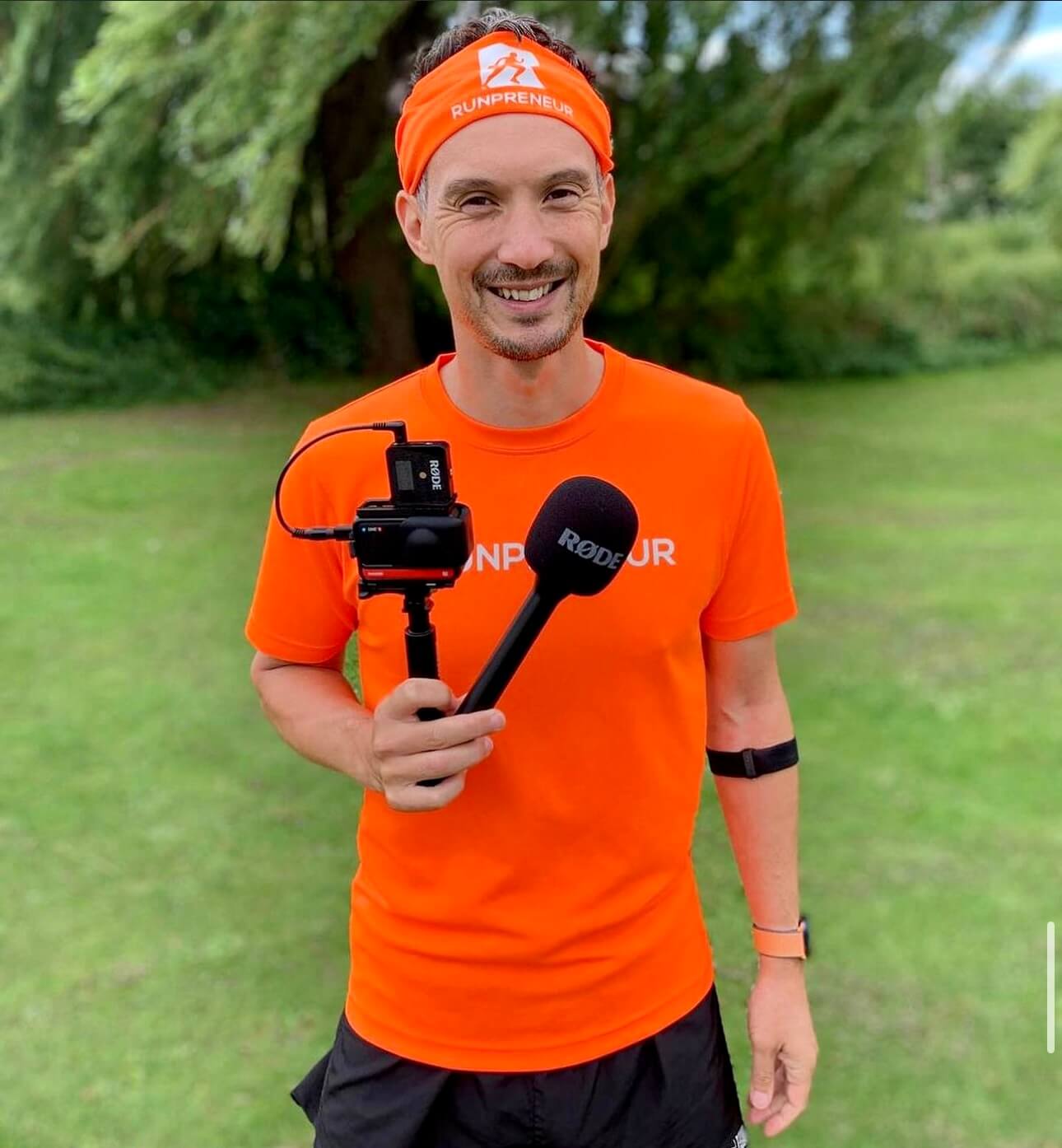
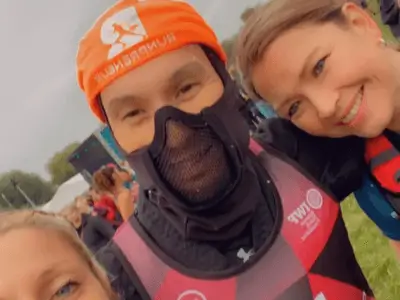
Kevin's 40,075km Challenge: Raising £1 Million for Children
Meet Kevin, a dedicated Runpreneur who embarked on an extraordinary journey to raise £1 million for children in need. Over the course of his 40,075km challenge, Kevin's unwavering determination and passion inspired thousands to join the Runpreneur movement.
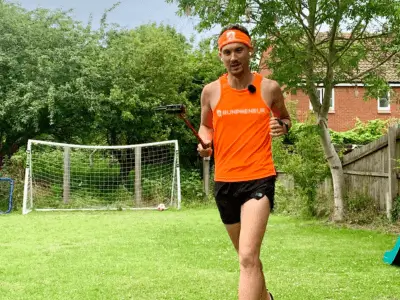
Runpreneur Vlogging: Capturing Kevin's Journey
Experience the Runpreneur challenge through the lens of Kevin's video diary. Witness his ups and downs, the camaraderie of the community, and the transformative power of running for a cause. Dive into the visual stories that capture the essence of the Runpreneur movement.

Empowering Children, One Step at a Time
As Kevin logged every kilometre of his 40,075km challenge, the true purpose behind his journey came into focus. Each step, each bead of sweat, fuelled essential healthcare, education, and nutrition programs for children in need around the world.

The Transformative 4x4x48 Challenge
Experience the thrill and personal growth of our iconic 48-hour running event. Witness the determination and resilience of Runpreneurs as they push their limits, one mile at a time.
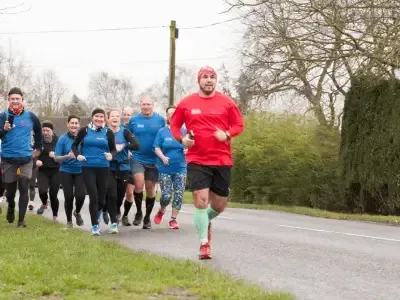
Runpreneur Vlogging: Capturing the Journey
Dive into the visual stories of our Runpreneurs as they document their experiences through engaging video logs. Witness the challenges, triumphs, and moments of camaraderie that define the Runpreneur spirit.

Becoming a Runpreneur: Join the Movement
Learn how you can become a Runpreneur and be part of this global community. Discover the steps to sign up, complete the challenge, and share your journey, all while making a lasting difference.
Connect With Us:



















I am on a mission to raise £1,000,000 for children's causes by daily run-vlogging barefoot-style, covering the total distance of a lap around the world—40,075 km.