
Runpreneur Journey Blog
Embark on an extraordinary journey with the Runpreneur community. Discover inspiring stories, insider tips, and the transformative power of our global challenge. From first-time runners to seasoned athletes, our blog captures the essence of the Runpreneur movement, inspiring others to join the cause.
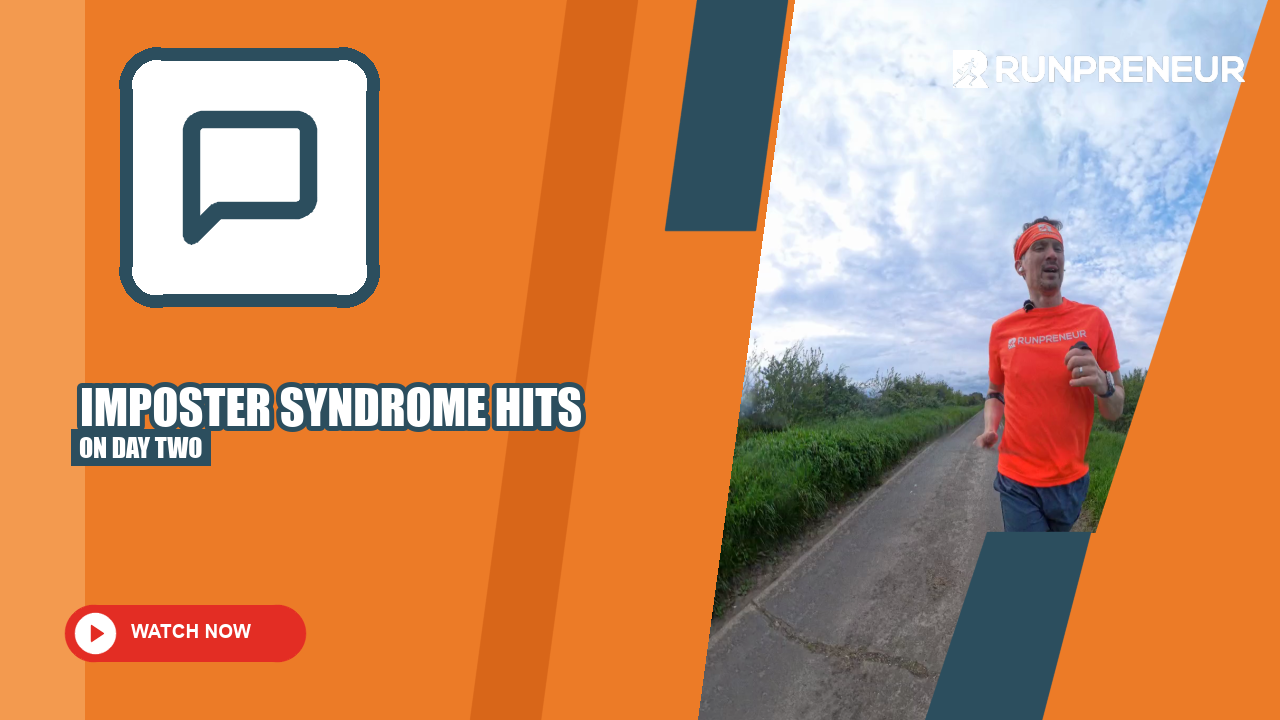
Imposter Syndrome When Starting a New Business: Day Two of My 30-Day Launch
Imposter syndrome showed up on day two of my 30-day business experiment. I had expected it. It still arrived on schedule.
Today is day 2145 of my daily run vlogging streak. I have now covered 16,477.04km of the 40,075km I want to complete, a lap of the world in barefoot-style shoes. That leaves 23,597.96km. Every episode is part of a fundraiser for children's causes, with a target of £1M. The more people who watch, the more money we raise. That is why I record every day, including days when the topic is not running at all.
The experiment
For 30 days I am taking a business concept from build, to launch, to delivery, and hopefully to a first customer. The aim is to use AI for about 90% of the process and keep human involvement to about 10%. Day two is where the questions start. Am I the right person to do this? What if the product is poor? What if other people are better at it?
What imposter syndrome is
I see imposter syndrome as an inner voice that tries to protect me. It asks what happens if this fails and how I will feel if people reject it. Those are fair questions. Some of them deserve an answer. The problem starts when the voice stops me acting. Doubt that makes me ask better questions is useful. Doubt that makes me wait is expensive.
Anyone who has started something new knows the feeling. Established people get it too. I do not think it ever fully goes away. I think the skill is to listen to it, answer the valid points, and keep moving.
How I deal with it
I use two methods.
The first is talking about it on this vlog. Many people find it hard to say these things to another person, and pride is often the reason. I find it easier to talk to a camera, even though I know the episode goes out publicly. Saying the doubts out loud takes them off my plate. That is a selfish benefit of the vlog. The main purpose is the children's causes it supports, but this is a useful by-product.
The second is an AI boardroom mentor. I built it in Claude. It holds detailed information about me and my circumstances, plus the business mentors I look up to most and the topics each one covers. It picks the right mentor for the situation and challenges what I am doing. It does not flatter me. That is why I trust it.
What the mentor helped me see
Three points came out of today's session.
First, passion matters more than profit. Profit matters, but money is easy to treat as secondary when you have plenty of it. I do not, so I am not saying it lightly. In my experience, passion keeps you going when the results are slow. I spent 18 months building a business for a big launch that never happened. The environment changed faster than I expected. This experiment gives me a second chance to use that work and get something live.
Second, this is a secondary business. My main business is property, so this one does not need to make money immediately. Most people start a side business with a budget or with pressure to earn straight away. I am starting on a shoestring with very low fixed costs. I am not putting a hard sales deadline on it. I am using the 30 days to build quickly and to create operating systems ready to sell. Making a profit in 30 days with a cold audience may not be possible. I accept that.
Third, success has a different definition. If I reach day 30 with something live in the marketplace, that is a success. It does not depend on buying thousands of copies on day one. Sales should come if I keep going, and early customer feedback will shape what I change.
Where I might differ
I am focusing on micro and small business owners, because I understand their pain points. Many are one-person operations with little interest in learning AI. They want the benefit without the learning. The market is full of AI software sold on recurring fees. I am not selling a monthly subscription, which means I will not add to their fixed costs. It also gives me room to test price points. I will need repeat sales to make this viable without recurring revenue, so this is a possible advantage, not a guarantee.
The bigger factor is onboarding. If I can plug an AI operating system into someone's existing business with very little effort from them, that could decide whether this works. It will not be easy to get right. It will take care and attention.
The planning I did before day one is already helping. The launch plan gives the team clear directions and tells them what to ask the AI to do. I can see work moving while I am elsewhere. That takes pressure off me as the bottleneck.
The lesson
Imposter syndrome is part of stepping into the unknown. Listen to it. Answer what is valid. Do not let it turn into procrastination. Find somewhere to say it out loud, whether that is a mentor, a friend, an AI, or a camera.
This links to the streak. I do not run every day because I feel confident every day. I run because the decision is already made. The same applies here. A plan, a daily action and an honest place to voice doubt carry me further than a mood.
If you want to follow the experiment or the mission, watch the daily episodes. A subscribe, share or comment helps put the vlog in front of more people, and that helps children's causes. Tell me how you handle imposter syndrome. I read the comments and reply where I can.
Watch the full episode: https://youtu.be/At7QVTGupyc
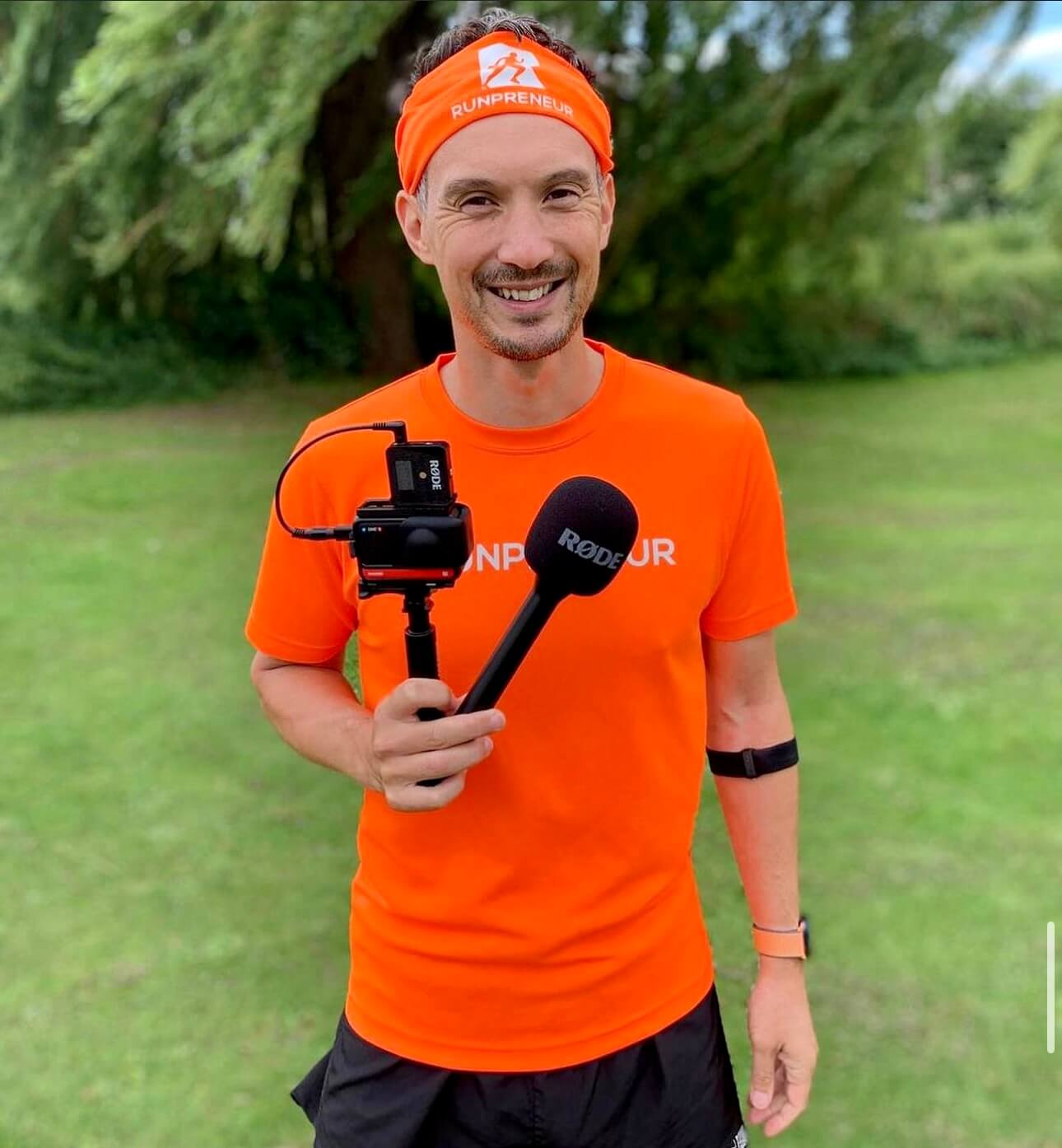
Kevin's 40,075km Challenge: Raising £1 Million for Children
Meet Kevin, a dedicated Runpreneur who embarked on an extraordinary journey to raise £1 million for children in need. Over the course of his 40,075km challenge, Kevin's unwavering determination and passion inspired thousands to join the Runpreneur movement.
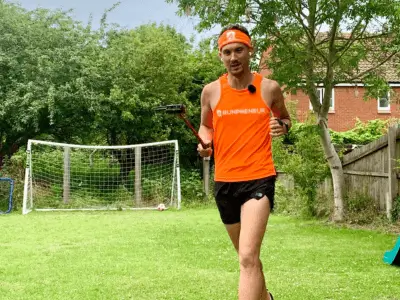
Runpreneur Vlogging: Capturing Kevin's Journey
Experience the Runpreneur challenge through the lens of Kevin's video diary. Witness his ups and downs, the camaraderie of the community, and the transformative power of running for a cause. Dive into the visual stories that capture the essence of the Runpreneur movement.

Empowering Children, One Step at a Time
As Kevin logged every kilometre of his 40,075km challenge, the true purpose behind his journey came into focus. Each step, each bead of sweat, fuelled essential healthcare, education, and nutrition programs for children in need around the world.
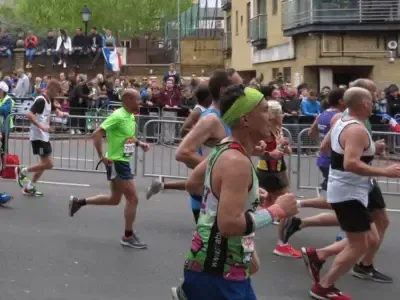
The Transformative 4x4x48 Challenge
Experience the thrill and personal growth of our iconic 48-hour running event. Witness the determination and resilience of Runpreneurs as they push their limits, one mile at a time.
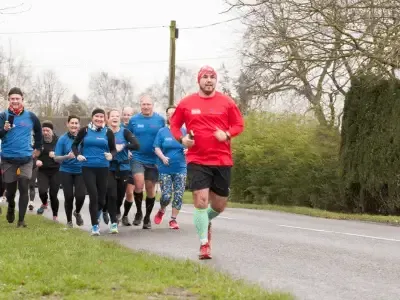
Runpreneur Vlogging: Capturing the Journey
Dive into the visual stories of our Runpreneurs as they document their experiences through engaging video logs. Witness the challenges, triumphs, and moments of camaraderie that define the Runpreneur spirit.
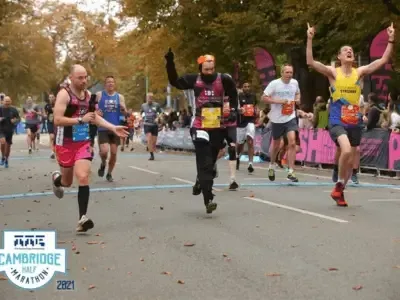
Becoming a Runpreneur: Join the Movement
Learn how you can become a Runpreneur and be part of this global community. Discover the steps to sign up, complete the challenge, and share your journey, all while making a lasting difference.
Connect With Us:



















I am on a mission to raise £1,000,000 for children's causes by daily run-vlogging barefoot-style, covering the total distance of a lap around the world—40,075 km.