
Runpreneur Journey Blog
Embark on an extraordinary journey with the Runpreneur community. Discover inspiring stories, insider tips, and the transformative power of our global challenge. From first-time runners to seasoned athletes, our blog captures the essence of the Runpreneur movement, inspiring others to join the cause.
How to Turn Good Team Members Into Great Ones — Lessons From Day 2017 of Running the World
How to Turn Good Team Members Into Great Ones — Lessons From Day 2017 of Running the World
Day 2017. That is 2017 consecutive days of running in barefoot-style footwear, building towards 40,075km — a lap of the world — to raise £1 million for children's causes including Great Ormond Street Hospital and BBC Children in Need. Today I covered another 10km, bringing my cumulative total to 20,170km. There are 19,905km still to go.
I mention that not to impress anyone, but because it is the same principle I want to talk about today. Turning something good into something great is not about a single heroic effort. It is about systems, standards, and consistency applied over a very long period of time.
On the run today I was thinking about teams. Specifically, I was thinking about the difference between a team that is good and a team that is genuinely great.
I have recruited somewhere between 30 and 40 people across my businesses over the years. That is not a vast number, but it is enough to have learned some hard lessons and to have developed a clearer picture of what actually works. And what I have come to believe — through trial, error, and iteration — is that recruiting the right people is only the starting point. What happens after they walk through the door is what determines whether they remain good or become genuinely great.
The word great matters here. In my view, great does not mean the best individual performer. It means the ability of your people to work together cooperatively, pulling in the same direction, producing consistent and sustainable outcomes to the standards your business requires — without you needing to be involved in every decision. That is the goal.
And the way you get there comes down to three things.
The first is having a clear set of core values or rules of engagement. In my business I call them undertakings — it fits within a broader framework I use called OUTCOME — but the label is less important than the substance. These are the 13 or 14 rules that govern how we do things. They are clear, concise, and easy to interpret for anyone joining the team. They are almost the first thing a new person encounters, because if they do not understand how we operate, no amount of skill or talent is going to bridge that gap.
Core values that live on a wall and are never referenced are theatre. Core values that are embedded into the onboarding process and referenced regularly are a genuine competitive advantage. The difference in team cohesion between having these and not having them is significant.
The second element is a decision-making framework. This is something I feel strongly about, particularly because I do not want to micromanage people. If I am bringing in good people with potential to be great, micromanagement is the fastest way to undermine that potential. What I want instead is to empower them to make confident decisions — without needing to escalate everything to me.
The framework does not need to be complex. In practice it involves a handful of clear questions. Is this consequential or inconsequential to the business? Is it reversible or irreversible? What is the financial liability and does it fall within an agreed threshold? And what is the realistic probability of a positive outcome?
On that last point, I use a simple working rule: if someone genuinely believes there is a 51% or greater chance of a positive outcome, and the other criteria are met, they can proceed. This is not about being reckless. It is about giving people a structured way to think rather than defaulting to inaction or unnecessary escalation. The cost of inefficiency in businesses is well documented — some estimates suggest 20 to 30% of revenue is lost to it. When you are running a million-pound turnover business, that is potentially £200,000 to £300,000 a year leaving through the door simply because decisions are not being made clearly or consistently.
The third element is what I call founder expectations. These are specific to me and how I work. Anyone working directly with me needs to understand the standards I hold — around how information is presented, the accuracy of data, attention to detail, formatting, brand guidelines. These are not arbitrary preferences. They reflect the way I think, the way I process information, and the output I need to make good decisions quickly.
Not everyone in the business will work directly with me, and that is fine. But for those who do, having these expectations documented removes ambiguity. It means that the first time someone presents work to me, they already know what I am looking for. That saves time, builds confidence, and produces better outcomes.
Put those three things together — rules of engagement, a decision-making framework, and founder expectations — and something shifts in the quality of a team. People stop waiting to be told what to do. They start making decisions that align with the business. They produce work that meets the required standard consistently. That is what moves a team from good to great.
I think about this in the context of the running mission as well. What makes a streak of 2017 consecutive days possible is not inspiration or motivation. It is the same principle: a clear framework for how I operate, consistent standards applied daily, and the removal of any decision about whether to go out and run. The decision was made once, a long time ago. Every day since has simply been the execution of that decision within the framework.
That is what I want for every business I build and every team I work with. A framework clear enough that good people can become great without constant intervention, and consistent enough that the outputs hold up not just on the good days, but on the difficult ones too.
The 40,075km goal and the £1 million target for children's causes are both long-term commitments. They require the same thing a great team requires: clarity of purpose, a set of operating principles, and consistent daily execution. There are no shortcuts in either.
If this is relevant to you and your business, drop a comment or get in touch. And if you believe in what this mission is working towards — raising money for children who need it — then subscribing, sharing, and engaging with the content genuinely helps. Every view matters.
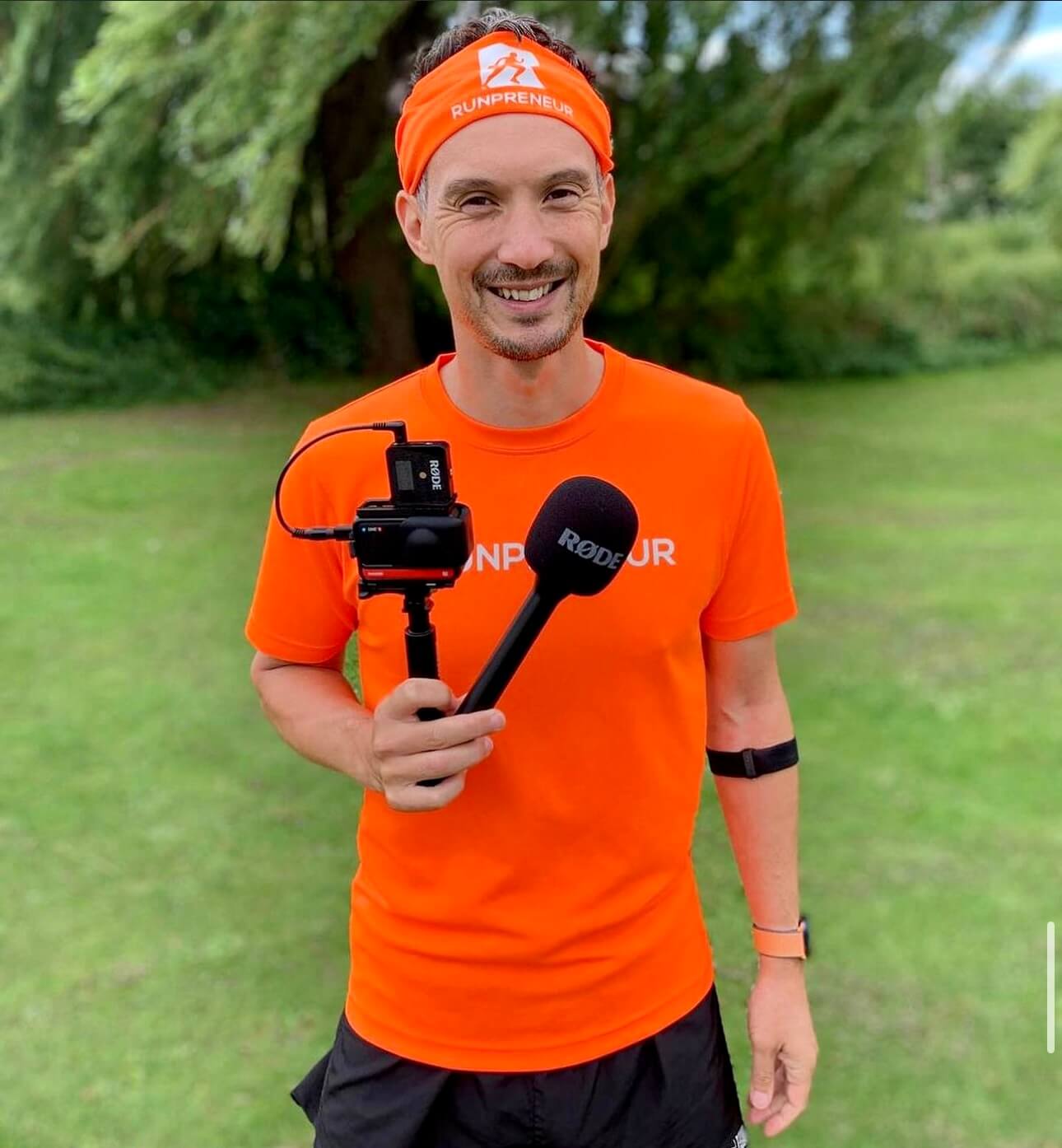
Kevin's 40,075km Challenge: Raising £1 Million for Children
Meet Kevin, a dedicated Runpreneur who embarked on an extraordinary journey to raise £1 million for children in need. Over the course of his 40,075km challenge, Kevin's unwavering determination and passion inspired thousands to join the Runpreneur movement.
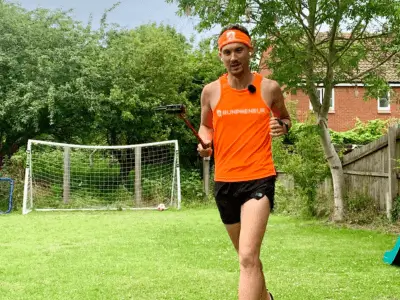
Runpreneur Vlogging: Capturing Kevin's Journey
Experience the Runpreneur challenge through the lens of Kevin's video diary. Witness his ups and downs, the camaraderie of the community, and the transformative power of running for a cause. Dive into the visual stories that capture the essence of the Runpreneur movement.

Empowering Children, One Step at a Time
As Kevin logged every kilometre of his 40,075km challenge, the true purpose behind his journey came into focus. Each step, each bead of sweat, fuelled essential healthcare, education, and nutrition programs for children in need around the world.
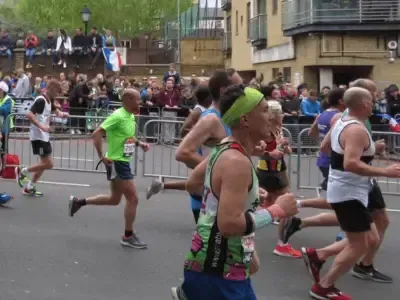
The Transformative 4x4x48 Challenge
Experience the thrill and personal growth of our iconic 48-hour running event. Witness the determination and resilience of Runpreneurs as they push their limits, one mile at a time.
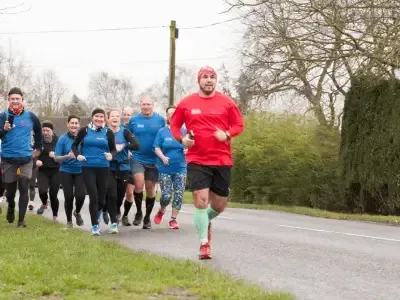
Runpreneur Vlogging: Capturing the Journey
Dive into the visual stories of our Runpreneurs as they document their experiences through engaging video logs. Witness the challenges, triumphs, and moments of camaraderie that define the Runpreneur spirit.
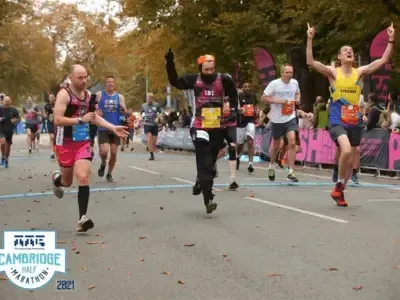
Becoming a Runpreneur: Join the Movement
Learn how you can become a Runpreneur and be part of this global community. Discover the steps to sign up, complete the challenge, and share your journey, all while making a lasting difference.
Connect With Us:



















I am on a mission to raise £1,000,000 for children's causes by daily run-vlogging barefoot-style, covering the total distance of a lap around the world—40,075 km.