
Runpreneur Journey Blog
Embark on an extraordinary journey with the Runpreneur community. Discover inspiring stories, insider tips, and the transformative power of our global challenge. From first-time runners to seasoned athletes, our blog captures the essence of the Runpreneur movement, inspiring others to join the cause.
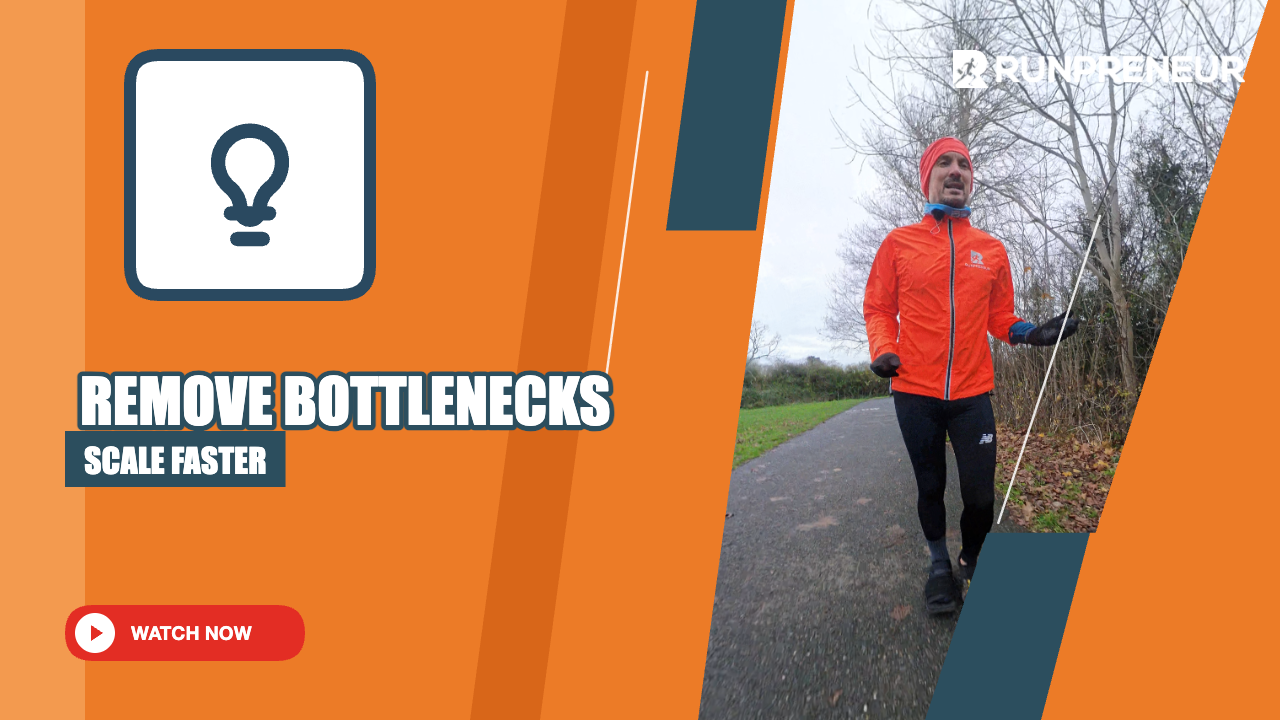
How to Remove People Bottlenecks From Your Business — Lessons From Day 2018 of My Running Streak
How to Remove People Bottlenecks From Your Business — Lessons From Day 2018 of My Running Streak
There is a particular kind of frustration that I have experienced more times than I care to count. You are running a business, everything seems to be ticking along, and then one person becomes unavailable — through illness, holiday, or simply moving on — and suddenly the whole thing grinds to a halt. That single point of failure exposes something uncomfortable about how the business was actually built.
Today is day 2018 of my consecutive daily running streak. I have covered 20,180km in barefoot-style footwear, and 19,895km still stand between me and the finish line of a lap of the world — 40,075km in total. I am doing this to raise £1 million for children's causes, including Great Ormond Street Hospital and BBC Children in Need. Every single episode I record is part of that mission. But the topic I want to talk about today came from real lived experience, not theory, and it is this: how do you stop individual people becoming bottlenecks in your business or team?
I have seen this play out again and again. A business owner builds something impressive. The systems look solid on paper. The team seems capable. And then someone goes off sick, or leaves, and everything stops. Not because the business was poorly run, but because one person held too much institutional knowledge in their head, and nobody else had been trained to step in.
The first thing I have learned — and genuinely believe in — is the importance of systematisation. But here is where I want to be precise, because systematisation alone is not enough. A well-documented system sitting in a folder somewhere is only useful if people actually know how to use it and have been trained to do so. The system is the foundation, not the solution in itself.
What I have found works is building what most people call a standard operating procedure, but making sure it has three distinct layers to it. The first layer is a video walkthrough — someone on screen, working through the task exactly as it should be done, in real time. This is invaluable because it captures not just the steps but the context, the reasoning, the small decisions that get made along the way. The second layer is a written operating manual — something comprehensive, with screen grabs where relevant, clear instructions, and enough detail that someone picking it up for the first time could follow it without needing to ask twenty questions. The third layer is a checklist. Simple, practical, and designed so that whoever is completing the task can verify they have done it to the required standard before they move on.
That combination — video, manual, checklist — is what a proper standard operating procedure looks like in practice. And once you have that in place, you have something that belongs to the business rather than to an individual.
But even then, the document is only part of the answer. The second piece is cross-training. This is something I feel strongly about, and it is something that gets neglected because it feels unnecessary in the short term. Why would you spend time training Person A in Person B's role when Person B is perfectly capable of doing it themselves? Because at some point, Person B will not be available. And when that happens, you will either have a contingency in place or you will not. There is no middle ground.
For smaller teams and sole traders just starting to bring people in, I understand the challenge. It can feel like a luxury to think about cross-training when you are still trying to get the basics right. But the time to build the contingency is before you need it, not after. If you are a one-person operation bringing in your first member of staff, the reality is that you already understand what they do, because you were doing it yourself before you hired them. That is actually a significant advantage — you are already the contingency. From there, as the team grows, start thinking deliberately about who else could step into each role if they had to.
I have found that even partial cross-training makes a significant difference. It does not require everyone to be an expert in every function. It just requires enough overlap that no single person's absence brings everything to a standstill.
The reason I come back to this topic is that it connects directly to how I think about consistency and resilience more broadly. I have been running every single day for over five and a half years. Not because every day is easy — many days are not. But because I built a framework, a set of conditions and habits, that make it possible to keep going regardless of how I feel on any given morning. The streak does not depend on perfect conditions. It depends on a system that functions even when circumstances are not ideal.
That is exactly what a well-structured business should look like. Not dependent on any one person being available, at their best, and fully switched on. Functional because the system holds things together when the individual cannot.
For me, this mission is not just about running. Every episode I produce, every km I log, every person who follows this journey is part of a cumulative effort to reach £1 million raised for children who genuinely need it. I am 20,180km into a 40,075km goal. I have got a long way still to go, and I know the only way to get there is the same way I have always done it — one day at a time, with the right systems in place to make sure nothing stops unnecessarily.
If today's episode is useful to you, whether you are a business owner thinking about team structure or simply someone thinking about resilience and consistency, I would genuinely appreciate your support. Subscribe, share, and if the mission resonates with you, consider donating. More reach means more funds raised, and more funds raised means more children supported.
Thank you, as always, for being part of this.
Kevin's 40,075km Challenge: Raising £1 Million for Children
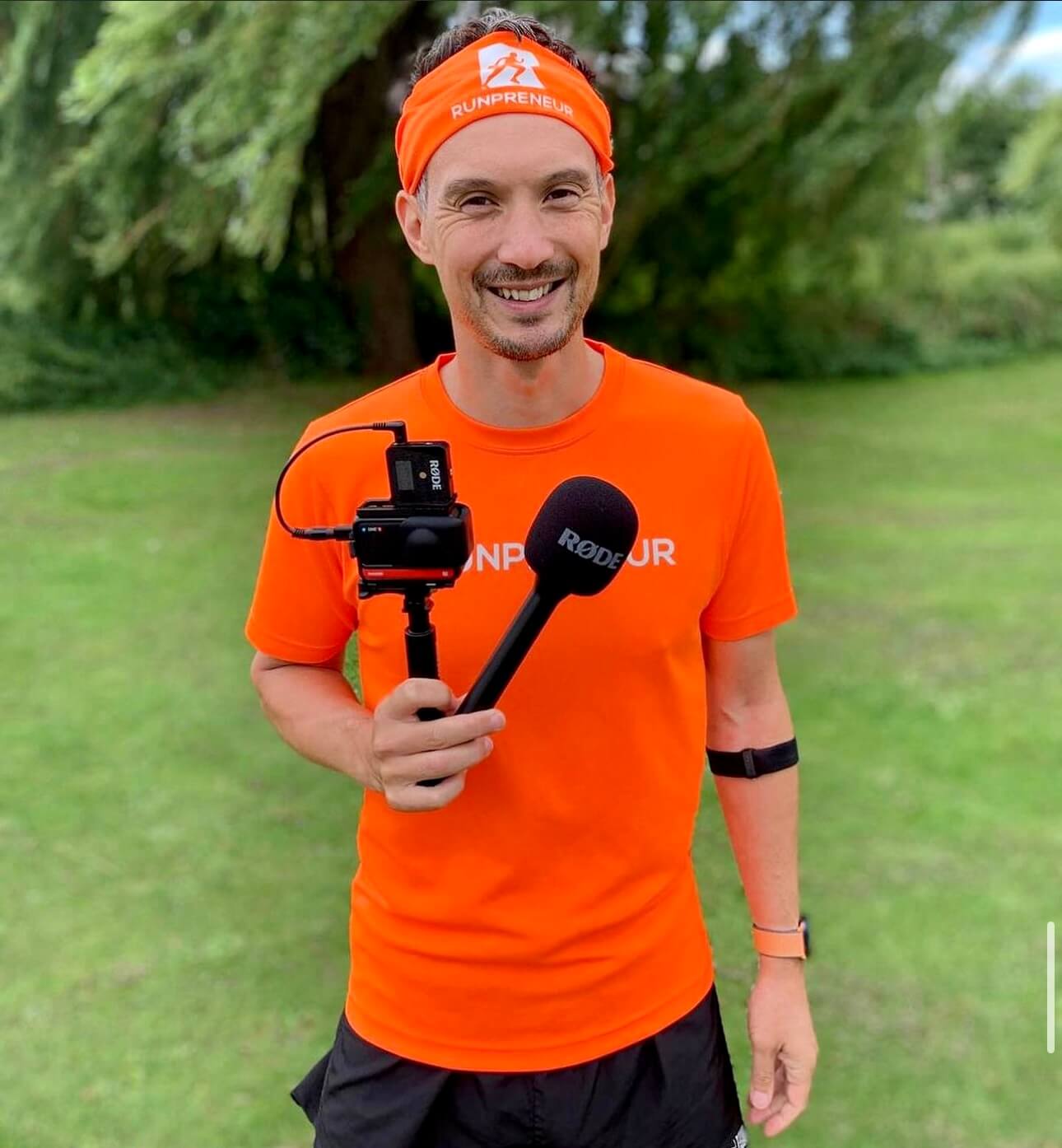
Meet Kevin, a dedicated Runpreneur who embarked on an extraordinary journey to raise £1 million for children in need. Over the course of his 40,075km challenge, Kevin's unwavering determination and passion inspired thousands to join the Runpreneur movement.

Runpreneur Vlogging: Capturing Kevin's Journey
Experience the Runpreneur challenge through the lens of Kevin's video diary. Witness his ups and downs, the camaraderie of the community, and the transformative power of running for a cause. Dive into the visual stories that capture the essence of the Runpreneur movement.

Empowering Children, One Step at a Time
As Kevin logged every kilometre of his 40,075km challenge, the true purpose behind his journey came into focus. Each step, each bead of sweat, fuelled essential healthcare, education, and nutrition programs for children in need around the world.

The Transformative 4x4x48 Challenge
Experience the thrill and personal growth of our iconic 48-hour running event. Witness the determination and resilience of Runpreneurs as they push their limits, one mile at a time.
Runpreneur Vlogging: Capturing the Journey
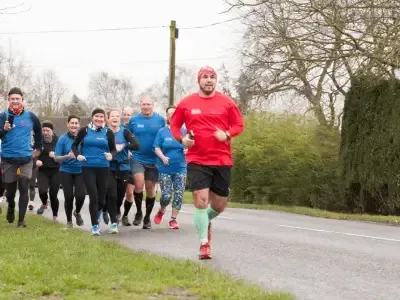
Dive into the visual stories of our Runpreneurs as they document their experiences through engaging video logs. Witness the challenges, triumphs, and moments of camaraderie that define the Runpreneur spirit.
Becoming a Runpreneur: Join the Movement
Learn how you can become a Runpreneur and be part of this global community. Discover the steps to sign up, complete the challenge, and share your journey, all while making a lasting difference.
Connect With Us:



















I am on a mission to raise £1,000,000 for children's causes by daily run-vlogging barefoot-style, covering the total distance of a lap around the world—40,075 km.