
Runpreneur Journey Blog
Embark on an extraordinary journey with the Runpreneur community. Discover inspiring stories, insider tips, and the transformative power of our global challenge. From first-time runners to seasoned athletes, our blog captures the essence of the Runpreneur movement, inspiring others to join the cause.
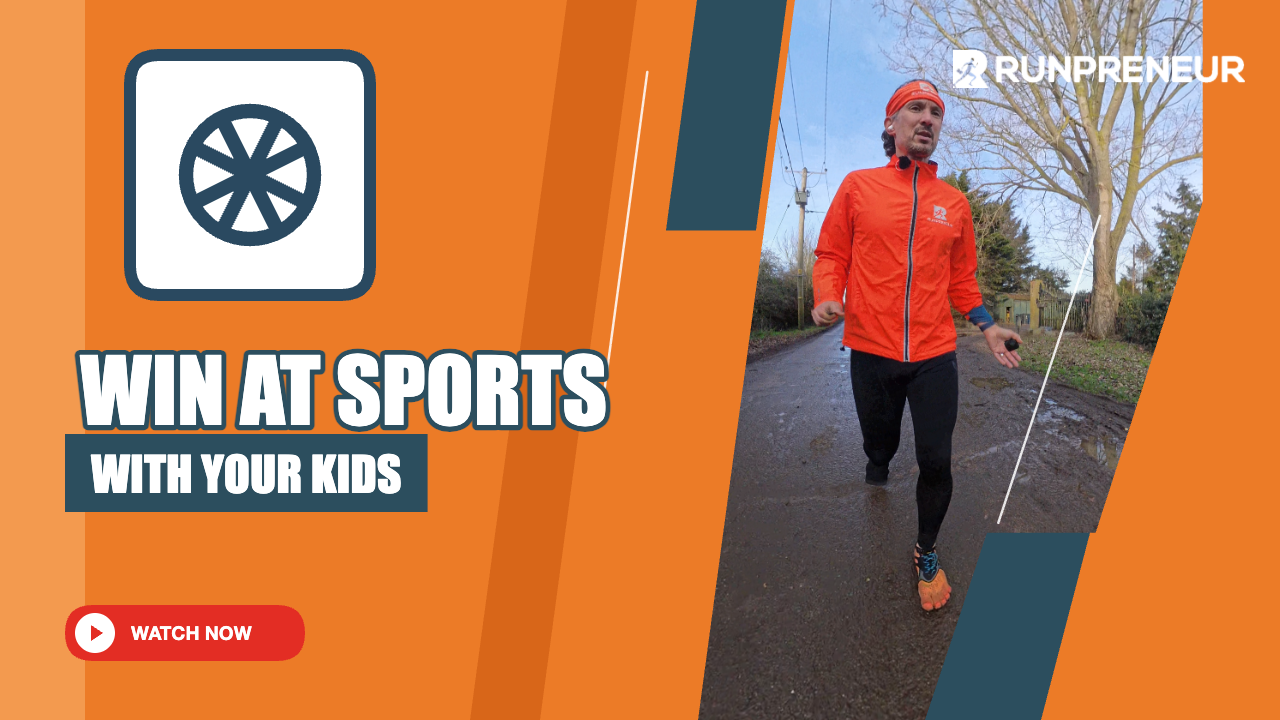
How to Get the Best Out of Your Kids in Competitive Sport What I Got Wrong as a Parent
How to Get the Best Out of Your Kids in Competitive Sport — What I Got Wrong as a Parent
Day 2022. I am 20,220km into a barefoot-style running streak that will not end until I have covered 40,075km — a full lap of the world — while raising £1 million for children's causes including Great Ormond Street Hospital and BBC Children in Need. Every single day I run, I record, I reflect. Today's reflection was one of the most uncomfortable I have shared. Not because it was about running. But because it was about parenting. And specifically, about a pattern I have fallen into that I am not proud of.
I have three children. A 15-year-old son, a 13-year-old daughter, and an 11-year-old son. They are all sporty. They all compete in football at various levels. And they are, by any measure, doing well. But for a while now, I have been aware that something I am doing on the sideline is having the wrong effect. Not occasionally. Consistently.
Let me be honest about who I am in a competitive environment. Growing up, my nickname was "Competitor." I have always been driven, always pushed hard, always found motivation in wanting to prove people wrong. When someone doubts me, I use it as fuel. That has served me well in business, in real estate, in building systems and running daily for over five and a half years. But here is the thing I had to accept this week. My children are not me.
What I have been doing — and I say this without softening it — is pushing too hard from the sideline. Too much feedback. Too many corrections. Too many instructions shouted across a pitch when all they needed was a cheer. My intentions have always been right. I want them to be the best versions of themselves. I want them to compete well, to improve, to feel proud of what they can do. But good intentions delivered in the wrong way produce the wrong results. That is true in business. It is true in parenting.
What I started noticing, and what genuinely unsettled me, is that some of my children were going into their shells during games. Not because they lacked ability. Not because they were nervous. But because they were processing too much noise from the one person on the sideline who was supposed to be their unconditional supporter. I was watching them freeze rather than flow. And that is on me. Completely.
There is a term I keep coming back to from things I have read and watched from elite athletes and sports psychologists. When children perform freely, with a smile on their faces and the space to make their own decisions, they develop. When they perform under the constant scrutiny of a parent trying to coach from the stands, they contract. They become self-conscious. They second-guess. The very thing I was trying to build in them — confidence — I was quietly eroding.
The decision I have made is straightforward. When I watch my children compete from this point, I will only say something if it is genuinely encouraging. If they make a mistake, I will not highlight it. They know. They are smart enough to recognise what went wrong without me announcing it to the whole pitch. If they do something well, I will let them hear it. If things are not going their way, I will be present, calm, and supportive. That is my job on the sideline. Not coaching. Not correcting. Supporting.
It is harder than it sounds. The instinct to help, to guide, to share what I can see from the outside — it is strong. Especially when you care as much as I do. But I have to trust the coaches. That is their role. Mine is to create an environment where my children associate sport with enjoyment, with belonging, with the freedom to express themselves. If they are good enough to go further in whatever they pursue, that will happen because of their own drive and talent. Not because I shouted loud enough from the touchline.
There is a broader lesson here that applies well beyond sport. In business, I have learned that over-managing people, over-directing, over-correcting at every step — it produces the same effect. People stop thinking for themselves. They wait for instruction rather than taking ownership. The best leaders I have studied, and the best environments I have worked in, are the ones where people feel trusted, supported, and free to operate with autonomy. Children in sport are no different.
I have run 20,220km barefoot-style in pursuit of a goal that will take me the equivalent of circling the entire Earth. There are 19,855km still to go. That requires a particular kind of consistency — not perfection, but showing up every day and doing the work, even when conditions are difficult, even when the reflection at the end of the day is uncomfortable. Today's reflection was uncomfortable. But it was necessary.
The mission behind all of this is to raise £1 million for children's causes. For children at Great Ormond Street who are fighting for their lives. For children supported by BBC Children in Need who need help that their families cannot always provide. Every time I think about them, it reminds me that the children in my life — my three children — are healthy, capable, and competing in sport for enjoyment. That is a privilege. And the least I can do is protect that enjoyment rather than chip away at it.
So if you are a competitive parent watching your child in sport and something I have said resonates, take it as a prompt to reflect. You do not need to be perfect. I certainly am not. But the moment you recognise a pattern that is having the wrong effect, you have a choice to change it. That choice is available right now.
Watch the episode. Follow the streak. And if the mission means something to you, share it. The more people who find this, the closer we get to £1 million for children who need it most.
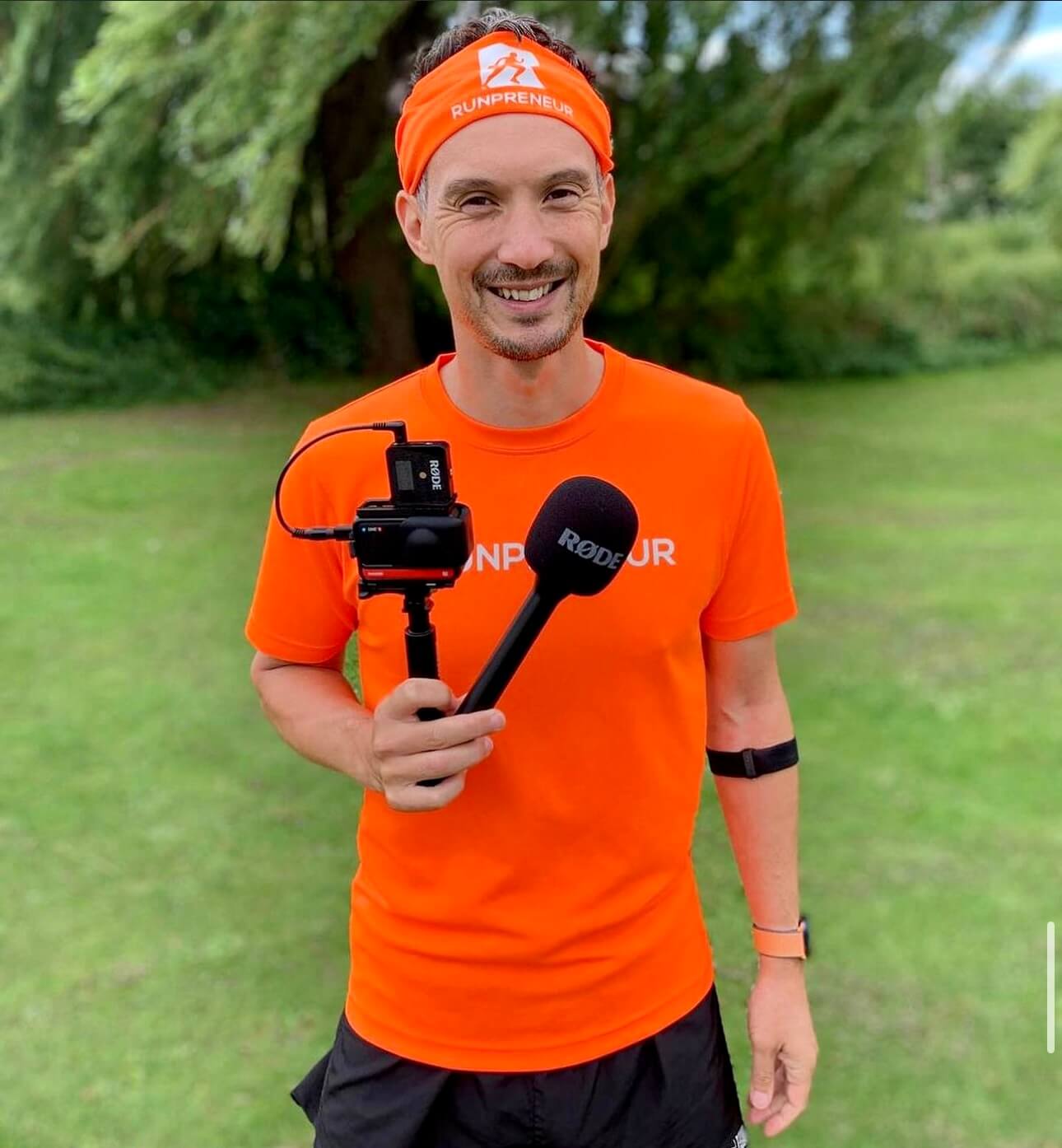
Kevin's 40,075km Challenge: Raising £1 Million for Children
Meet Kevin, a dedicated Runpreneur who embarked on an extraordinary journey to raise £1 million for children in need. Over the course of his 40,075km challenge, Kevin's unwavering determination and passion inspired thousands to join the Runpreneur movement.
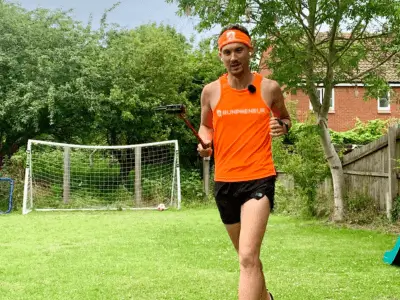
Runpreneur Vlogging: Capturing Kevin's Journey
Experience the Runpreneur challenge through the lens of Kevin's video diary. Witness his ups and downs, the camaraderie of the community, and the transformative power of running for a cause. Dive into the visual stories that capture the essence of the Runpreneur movement.

Empowering Children, One Step at a Time
As Kevin logged every kilometre of his 40,075km challenge, the true purpose behind his journey came into focus. Each step, each bead of sweat, fuelled essential healthcare, education, and nutrition programs for children in need around the world.
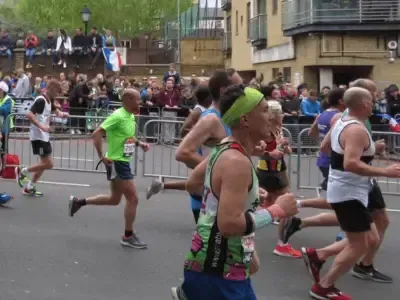
The Transformative 4x4x48 Challenge
Experience the thrill and personal growth of our iconic 48-hour running event. Witness the determination and resilience of Runpreneurs as they push their limits, one mile at a time.
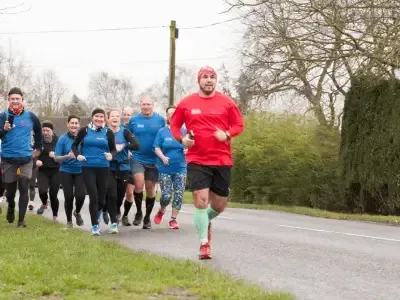
Runpreneur Vlogging: Capturing the Journey
Dive into the visual stories of our Runpreneurs as they document their experiences through engaging video logs. Witness the challenges, triumphs, and moments of camaraderie that define the Runpreneur spirit.
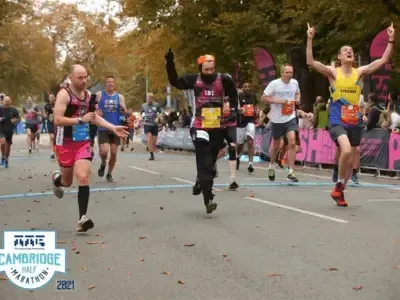
Becoming a Runpreneur: Join the Movement
Learn how you can become a Runpreneur and be part of this global community. Discover the steps to sign up, complete the challenge, and share your journey, all while making a lasting difference.
Connect With Us:



















I am on a mission to raise £1,000,000 for children's causes by daily run-vlogging barefoot-style, covering the total distance of a lap around the world—40,075 km.