
Runpreneur Journey Blog
Embark on an extraordinary journey with the Runpreneur community. Discover inspiring stories, insider tips, and the transformative power of our global challenge. From first-time runners to seasoned athletes, our blog captures the essence of the Runpreneur movement, inspiring others to join the cause.
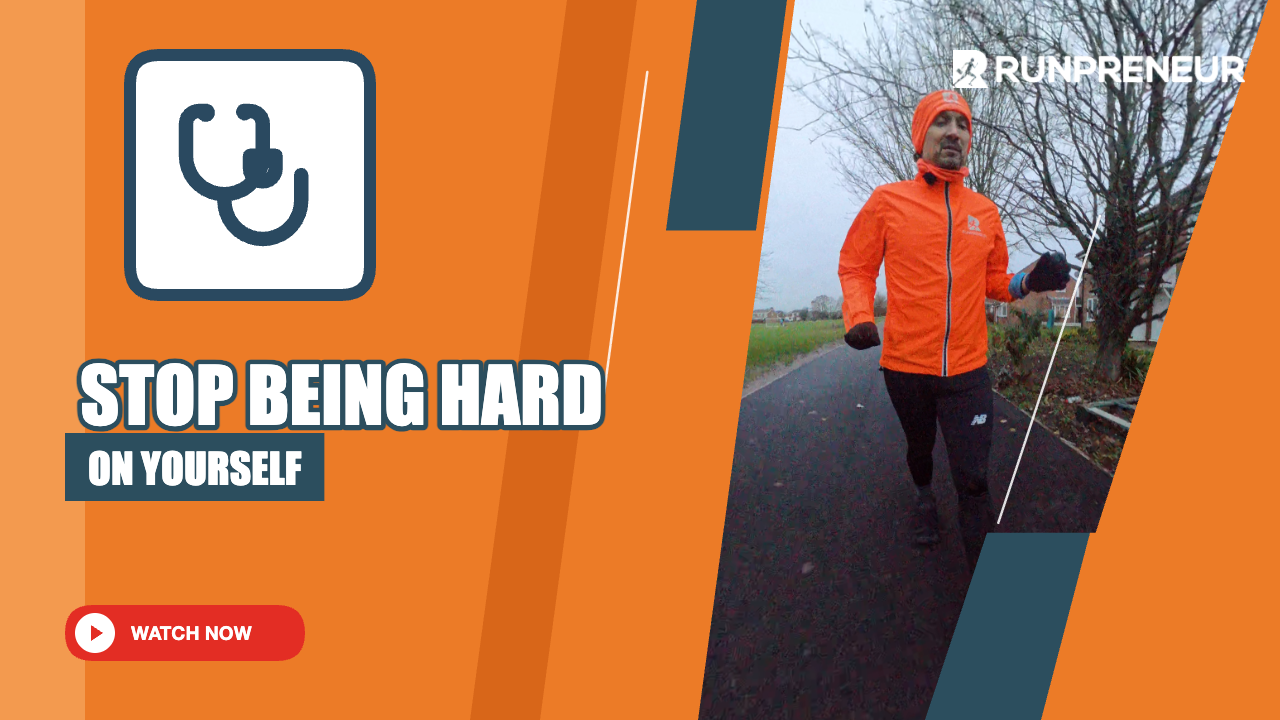
How to Assess Progress Without Being Too Hard on Yourself — Day 2014 of My Running Streak
How to Assess Progress Without Being Too Hard on Yourself - Day 2014 of My Running Streak
Today I want to talk about something that I think most of us struggle with far more than we admit. How to actually assess progress honestly, without letting unrealistic expectations make you feel like you are failing when you are not.
I am on day 2014 of my consecutive daily running streak, barefoot-style, every single day. I have covered 20,140km of the 40,075km I need to run to complete the equivalent of one lap of the world. There are 19,935km still to go. That number can feel enormous if I let it. But the way I choose to look at it, and the way I have learned to evaluate progress across every area of my life, is what keeps me moving forward.
This episode came out of something I have been doing recently, which is a proper end-of-year review. Not a vague look back over my shoulder, but a structured, honest assessment of where I said I would be and where I actually am. And what I found, as I have found many times before, is that I was being harder on myself than the evidence warranted.
That is something I think a lot of people experience. You set a goal. You work at it. But because you have not fully arrived at the destination yet, you feel like you have not moved. You discount the ground you have already covered.
Here is the thing though. The feeling of insufficient progress is not always a signal that something is wrong. Sometimes it is simply a sign that your targets are calibrated properly.
Let me explain what I mean by that.
Over time I have developed a planning structure that I keep coming back to because it works. It starts with an annual vision, what I am broadly aiming for over the course of twelve months. But I do not try to manage against an annual target day to day, because that is too big and too abstract to be useful. Instead I break the year into quarters, ninety days at a time, and within each quarter I work with no more than three primary objectives. Not ten. Not five. Three.
Each of those three quarterly objectives then gets broken down into three monthly milestones, which act as stepping stones. And then each week I identify the single most important action I need to take in order to move that monthly milestone forward. One week at a time. That is it.
What this structure does is remove the noise. It stops me trying to track everything simultaneously, which is a guaranteed route to feeling overwhelmed and underproductive. When the plan is structured correctly, I can look at any given week and know clearly whether I am on track or not. That removes a lot of the anxiety that comes from vague, undefined progress measurement.
But here is where the self-compassion part comes in, and I think this is the part most people miss.
If you set your targets at the right level, which means stretching enough to require real effort but grounded enough to be achievable, then by the end of a quarter you should find that you have nearly hit them. Not comfortably exceeded them. Nearly hit them. That slight gap between where you aimed and where you landed is not failure. It is evidence that you set the target correctly.
If you are always hitting everything with ease, your targets are too low and you are not growing. If you are consistently falling dramatically short, your targets are too high and you will eventually demoralise yourself into inaction. The sweet spot is landing just short of what you set out to do, while knowing you gave it a genuine effort.
That is what I look for now when I review a quarter. Not whether I ticked every box, but whether the gap between intention and outcome is within a reasonable range. If it is, I am on track. I can acknowledge the progress, adjust where needed, and carry forward.
This matters enormously on a mission like mine. I am running toward 40,075km, which represents one full equatorial lap of the earth. I am raising £1 million for children's causes, including Great Ormond Street Hospital and BBC Children in Need. Neither of those goals is something I will achieve in a quarter. They are multi-year commitments that require daily consistency over what will ultimately be around sixteen and a half years.
If I assessed progress only by asking how close I am to the finish line, I would feel permanently behind. But I do not assess it that way. I assess it day by day, week by week, and quarter by quarter. Today is day 2014. I have covered 20,140km. I am past the halfway point geographically. The fundraising grows as the audience grows. These are real indicators of real progress, and I have to allow myself to see them clearly rather than dismissing them because the end goal is still some distance away.
The lesson I keep learning, and re-learning, is that unrealistic expectations do not motivate. They erode. When you hold yourself to a standard that is genuinely unachievable within the timeframe you have set, you do not run faster. You slow down, because every check-in becomes confirmation that you are not good enough. That is not discipline. That is self-sabotage dressed up as high standards.
Real discipline looks like accurate goal setting, honest tracking, regular reflection, and the willingness to acknowledge what you have done before deciding what needs to change.
The children I am running for do not need my perfection. They need my consistency. They need me to show up every day, keep building this audience, keep having honest conversations, and keep moving forward in the right direction. 19,935km to go. One day at a time.
If any of this resonates with you, I would encourage you to look at how you are currently measuring your own progress. Are your targets realistic? Are you reviewing often enough to catch yourself being unfairly self-critical? Are you giving weight to what you have achieved, not just what remains?
Accurate self-assessment is a skill. It takes practice. But it is worth developing, because when you can look at where you are honestly and fairly, you stop wasting energy on unnecessary guilt and start directing it toward the next step forward.
That is where progress actually lives.
Kevin's 40,075km Challenge: Raising £1 Million for Children
Meet Kevin, a dedicated Runpreneur who embarked on an extraordinary journey to raise £1 million for children in need. Over the course of his 40,075km challenge, Kevin's unwavering determination and passion inspired thousands to join the Runpreneur movement.
Runpreneur Vlogging: Capturing Kevin's Journey
Experience the Runpreneur challenge through the lens of Kevin's video diary. Witness his ups and downs, the camaraderie of the community, and the transformative power of running for a cause. Dive into the visual stories that capture the essence of the Runpreneur movement.

Empowering Children, One Step at a Time
As Kevin logged every kilometre of his 40,075km challenge, the true purpose behind his journey came into focus. Each step, each bead of sweat, fuelled essential healthcare, education, and nutrition programs for children in need around the world.
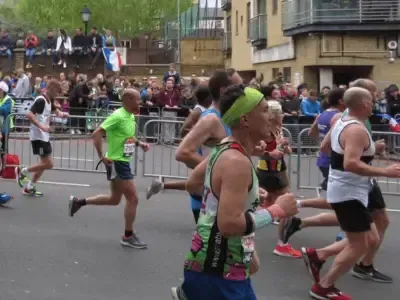
The Transformative 4x4x48 Challenge
Experience the thrill and personal growth of our iconic 48-hour running event. Witness the determination and resilience of Runpreneurs as they push their limits, one mile at a time.
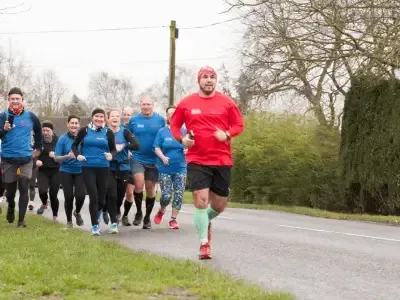
Runpreneur Vlogging: Capturing the Journey
Dive into the visual stories of our Runpreneurs as they document their experiences through engaging video logs. Witness the challenges, triumphs, and moments of camaraderie that define the Runpreneur spirit.
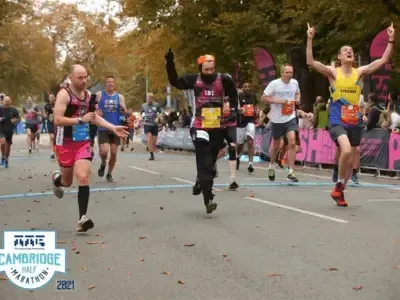
Becoming a Runpreneur: Join the Movement
Learn how you can become a Runpreneur and be part of this global community. Discover the steps to sign up, complete the challenge, and share your journey, all while making a lasting difference.
Connect With Us:



















I am on a mission to raise £1,000,000 for children's causes by daily run-vlogging barefoot-style, covering the total distance of a lap around the world—40,075 km.