
Runpreneur Journey Blog
Embark on an extraordinary journey with the Runpreneur community. Discover inspiring stories, insider tips, and the transformative power of our global challenge. From first-time runners to seasoned athletes, our blog captures the essence of the Runpreneur movement, inspiring others to join the cause.
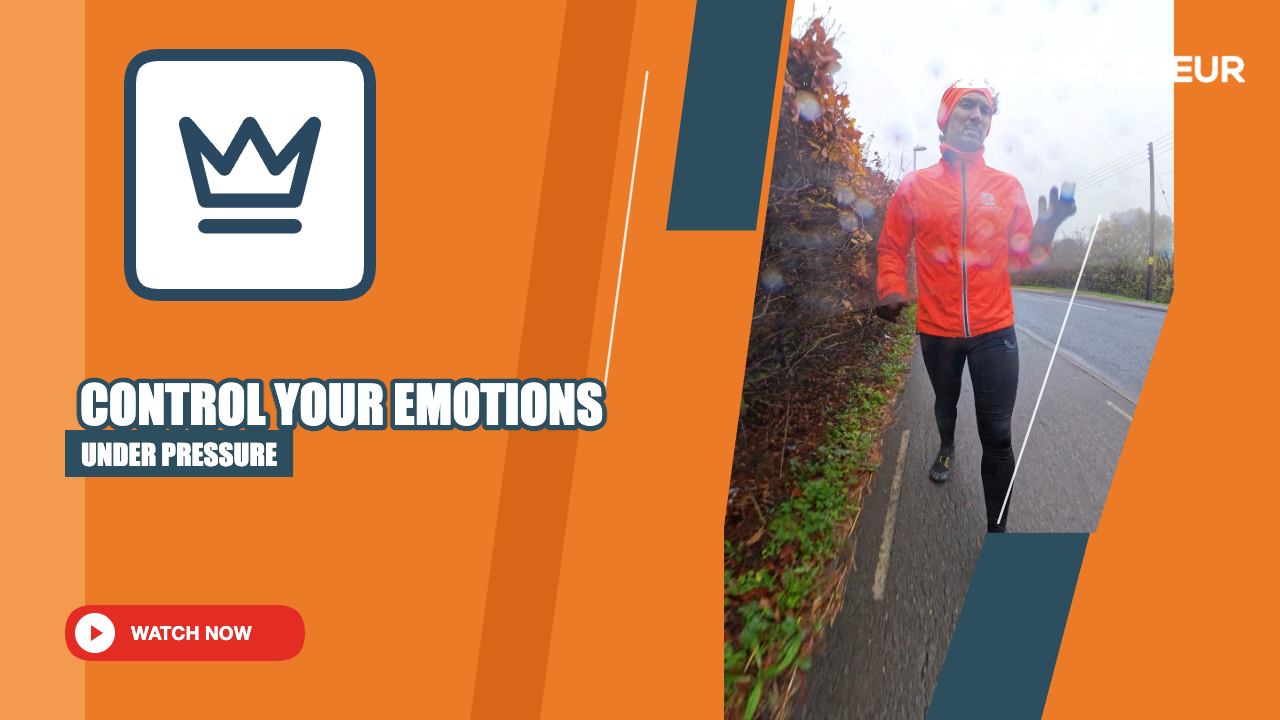
How I Learned To Manage My Temper In Stressful Situations — Diary of an Entrepreneur Day 2008
How I Learned To Manage My Temper In Stressful Situations — Diary of an Entrepreneur Day 2008
I am not naturally a calm person in high-pressure situations. That is an honest statement and one that has taken me a long time to be comfortable making. For most of my life, when things felt unjust or out of control, my first instinct was to react — loudly, immediately, and often in ways I later regretted. Running 20,080km barefoot-style across 2,008 consecutive days has taught me a great deal about managing myself. But sometimes the sharpest lessons come not from the road, but from a muddy football pitch on a Sunday morning.
I coach my son's under-15 football team. I love it. These lads are fifteen years old — physically they are close to men, but emotionally they are still boys navigating all of that. The game we played today was competitive, feisty, and ultimately costly in terms of the result. But the biggest test of the day had nothing to do with tactics or fitness. It had everything to do with how I managed myself when the situation spiralled beyond what felt fair or reasonable.
The referee today was a grandparent of one of the opposing team's players. I want to be clear — I do not think he was cheating. I genuinely believe he is a decent, honest man. But he was not physically capable of keeping up with the pace of the game on a full-size pitch. A referee at this level needs to cover significant ground to make informed decisions. When he could not get close enough to key incidents, he was forced to make calls from distance, and those calls went badly wrong on multiple occasions. Two of the goals that ended up in our net were the direct result of refereeing errors. Boys on our side were starting to feel the injustice, and fifteen-year-olds are not well equipped to absorb that kind of frustration quietly. The tackles got bigger, the tempers got shorter, and the game edged towards something that could have resulted in a serious injury.
A few years ago, I would have been furious. I would have been on the referee's case from the first poor decision, escalating through the game, and by the final whistle I would have been so consumed by anger that I probably would not even have shaken his hand. I have been that person. I know what that version of me looked like, and it was not good for anyone — not for the boys, not for the environment, and not for me.
Today was different. Not perfect — I raised my concerns clearly and directly when I felt it was right to do so. But I did not lose control of myself, and that distinction matters enormously.
Two frameworks have genuinely shifted the way I process difficult moments. The first is the Chimp Paradox by Dr Steve Peters. The core idea is that we operate from two parts of our mind — the emotional, instinct-driven chimp mind, and the rational, evidence-based human mind. The problem is that the chimp mind is roughly five times faster and five times more powerful. By the time your rational brain has registered what is happening, your emotional reaction is already halfway out of your mouth. The key is learning to notice when the chimp is starting to take over, and disrupting that process before it escalates. It sounds straightforward. It is not. But with practice, you get better at catching yourself.
The second framework is the 90/10 principle from Stephen Covey's The Seven Habits of Highly Effective People. The principle is simple: ten percent of your life is made up of things that happen completely outside of your control. The other ninety percent is how you choose to respond to that ten percent. I have read a lot of personal development material over the years, and very few ideas have landed as practically and as immediately as this one. Because once you genuinely accept that some things are simply beyond your control — not just intellectually, but in the moment — it changes the texture of the situation. The referee's decisions today were outside my control. The fact that he was not fit enough to keep pace with the game was outside my control. But how I responded to that — how I spoke to him, how I managed the touchline, how I kept our side composed — that was entirely within my control.
There was also a moment during today's run where a car made an extraordinarily reckless overtaking manoeuvre on a road where traffic was coming from both directions. I caught it on camera. If there had been a collision, I could have been directly in the path of it. I am still processing that honestly. It shook me. And yet — again — completely outside my control. What I could control was my response: stay calm, keep running, keep moving forward.
That is what 2,008 consecutive days of running barefoot-style has reinforced in me. You cannot control the conditions. You cannot control the decisions other people make. You cannot control the referee, the weather, the road, or any number of things that will land in your path across a journey of 40,075km. What you can always control is how you show up in response.
I still have work to do on this. I would not pretend otherwise. But the progress is real and it is measurable — not in a training log, but in how I left that football pitch today. My team walked off with their dignity intact. I shook the referee's hand and meant it. And I came home having lost a game that probably should not have been lost, but having won something more quietly significant.
I am 20,080km into a lap of the world. I am running every single day in barefoot-style footwear to raise £1 million for children's causes including Great Ormond Street Hospital and BBC Children in Need. The mission matters. The consistency matters. And so does the person I am becoming along the way.
If today's reflection has been useful, I would ask one thing. Share this with someone who might benefit from it. Every person who engages with this content helps us get closer to that £1 million target and closer to the children those funds will reach.
Kevin's 40,075km Challenge: Raising £1 Million for Children
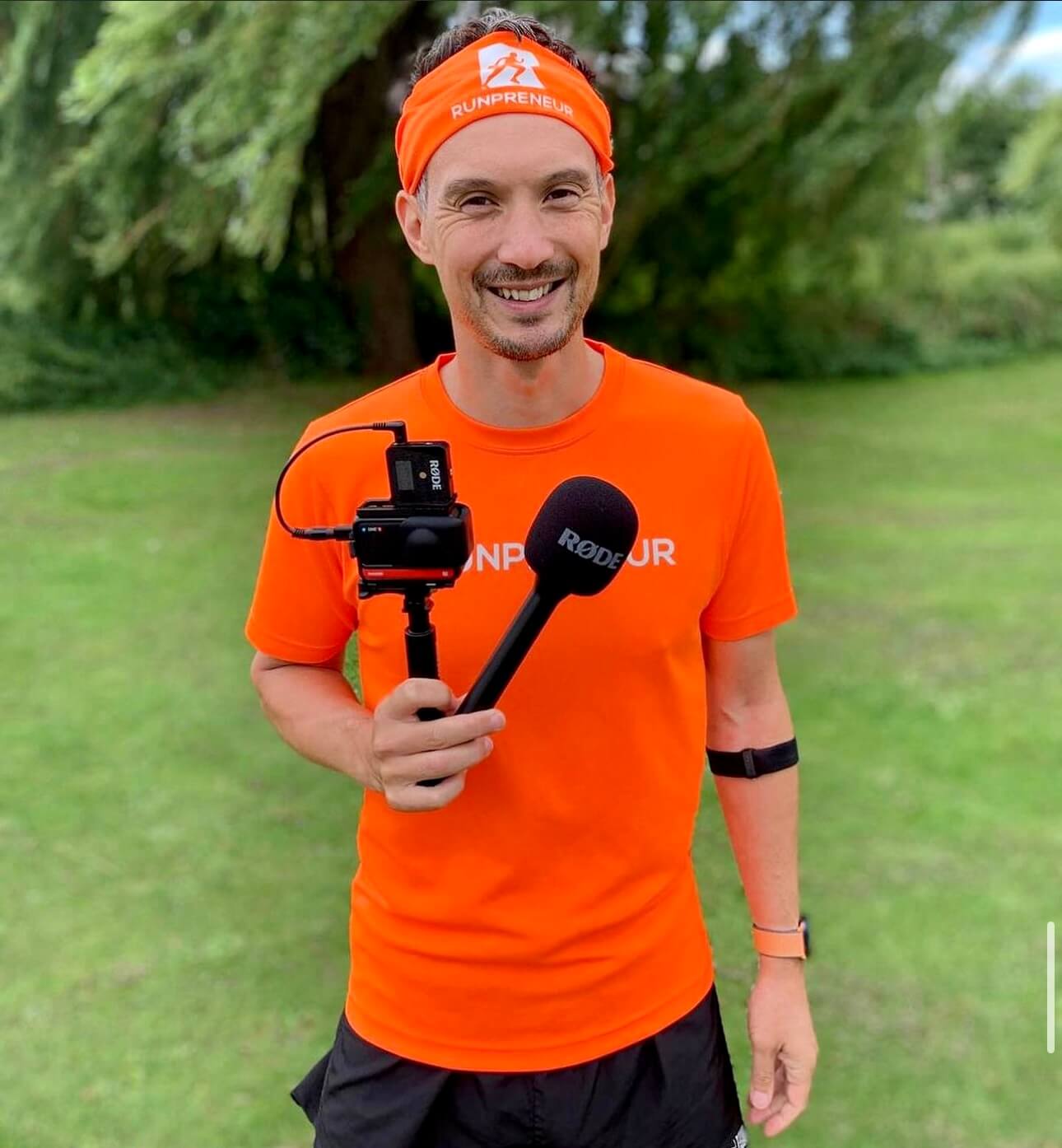
Meet Kevin, a dedicated Runpreneur who embarked on an extraordinary journey to raise £1 million for children in need. Over the course of his 40,075km challenge, Kevin's unwavering determination and passion inspired thousands to join the Runpreneur movement.
Runpreneur Vlogging: Capturing Kevin's Journey
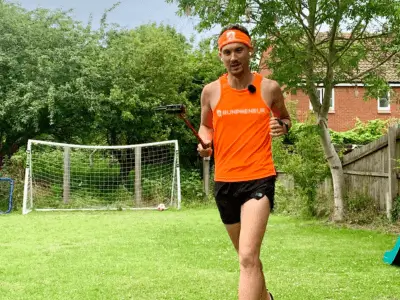
Experience the Runpreneur challenge through the lens of Kevin's video diary. Witness his ups and downs, the camaraderie of the community, and the transformative power of running for a cause. Dive into the visual stories that capture the essence of the Runpreneur movement.

Empowering Children, One Step at a Time
As Kevin logged every kilometre of his 40,075km challenge, the true purpose behind his journey came into focus. Each step, each bead of sweat, fuelled essential healthcare, education, and nutrition programs for children in need around the world.
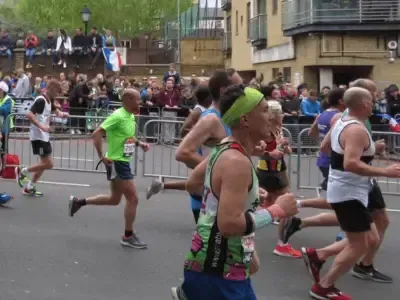
The Transformative 4x4x48 Challenge
Experience the thrill and personal growth of our iconic 48-hour running event. Witness the determination and resilience of Runpreneurs as they push their limits, one mile at a time.
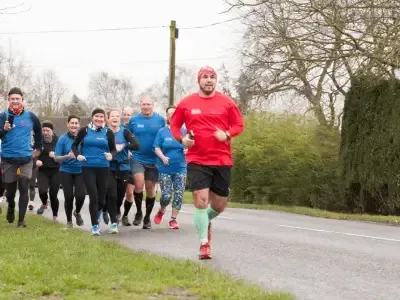
Runpreneur Vlogging: Capturing the Journey
Dive into the visual stories of our Runpreneurs as they document their experiences through engaging video logs. Witness the challenges, triumphs, and moments of camaraderie that define the Runpreneur spirit.
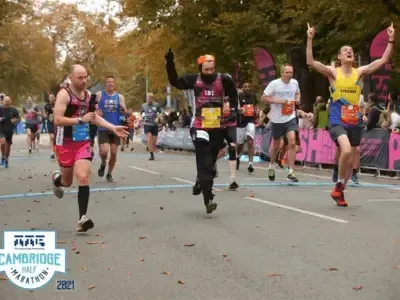
Becoming a Runpreneur: Join the Movement
Learn how you can become a Runpreneur and be part of this global community. Discover the steps to sign up, complete the challenge, and share your journey, all while making a lasting difference.
Connect With Us:



















I am on a mission to raise £1,000,000 for children's causes by daily run-vlogging barefoot-style, covering the total distance of a lap around the world—40,075 km.