
Runpreneur Journey Blog
Embark on an extraordinary journey with the Runpreneur community. Discover inspiring stories, insider tips, and the transformative power of our global challenge. From first-time runners to seasoned athletes, our blog captures the essence of the Runpreneur movement, inspiring others to join the cause.
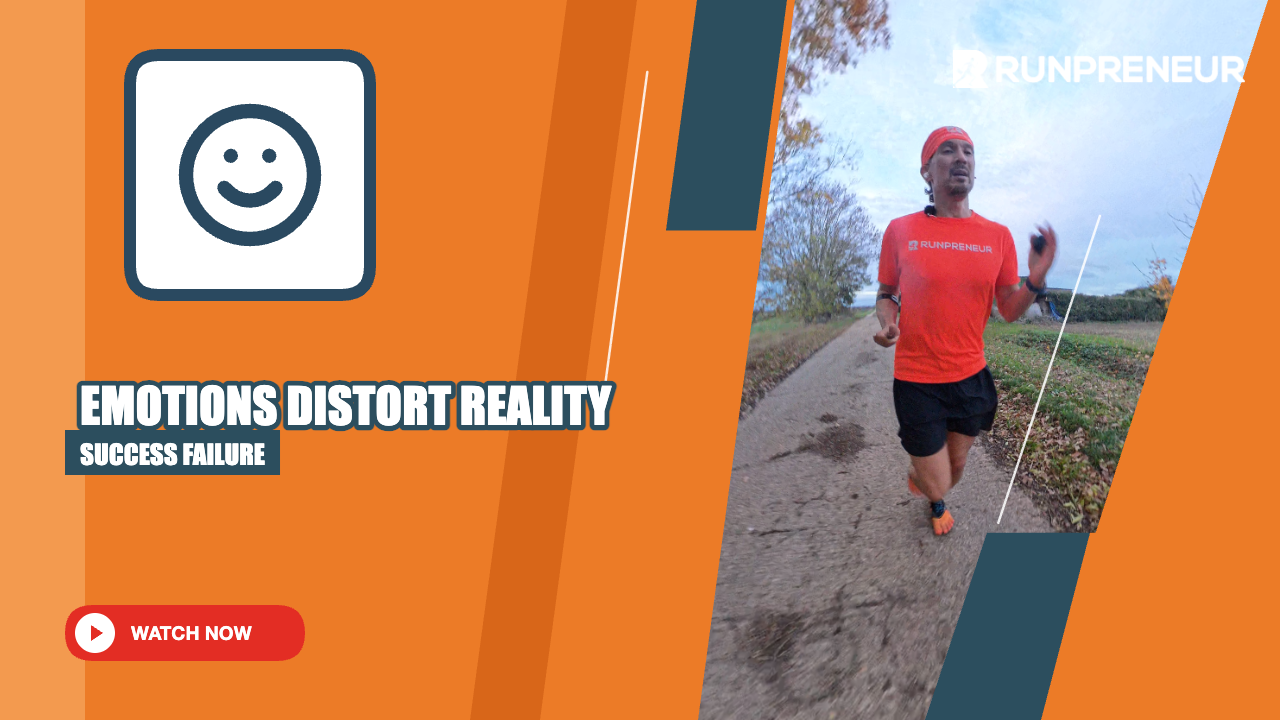
How Emotions Distort Reality - Lessons from 1980 Days of Barefoot Running
How Emotions Distort Reality - Lessons from 1980 Days of Barefoot Running
Today marks day 1980 of my daily running streak, and I've covered 19,800km toward my goal of completing a full lap of the world - 40,075km - while raising £1M for children's causes. This morning's 10km in my barefoot-style shoes got me thinking about something I witnessed at my son's football match yesterday, and how it connects to a fundamental challenge I face every single day on this mission.
The relationship between emotions and performance fascinates me. I watched one of my son's teammates play what could only be described as a brilliant individual game. He hit the post twice, set up multiple goal opportunities, and dominated his position. Yet his team lost 5-2, largely due to defensive errors that had nothing to do with his performance. When the final whistle blew, this young player was devastated - angry, dejected, and clearly feeling responsible for a result that wasn't his fault.
What struck me wasn't just his disappointment, but how his emotions had completely distorted the reality of his performance. In his mind, he'd failed. In reality, he'd played exceptionally well in a team that collectively struggled. This emotional distortion works both ways - when things go well, we often think we're invincible, becoming complacent and making silly mistakes.
Over 1,980 consecutive days of running, I've learned that emotions can be both fuel and poison for performance. The drive, ambition, and competitive spirit that emotions spark are essential. That young footballer's intensity and hunger to win make him incredibly valuable to his team. Take away that emotional investment, and he'd be half the player he is.
But here's the challenge I face daily: how do I harness the motivational power of emotions while preventing them from distorting my judgment?
When I'm struggling through a particularly tough morning run, my emotions want to tell me I'm not making progress, that 20,275km still to go is insurmountable, that this mission is pointless. The reality is different - I'm exactly where I need to be, making steady progress toward something that seemed impossible when I started.
Similarly, on days when the running feels effortless and the fundraising momentum builds, my emotions want to tell me I've got this sorted. That's when complacency creeps in, when I might ease off the consistency that's gotten me this far.
The secret I've discovered is learning to separate performance from emotional reaction. That footballer played brilliantly regardless of how he felt about it afterward. My daily runs serve their purpose whether I feel motivated or not. The key is showing up consistently, especially when emotions try to convince me otherwise.
This doesn't mean removing all emotion from competition or challenge. The love I feel for the children I'm running for, the care I have for their wellbeing - those emotions are crucial. They're what get me out the door when everything else fails. The difference is learning which emotions serve the mission and which ones distort reality.
In business, I see the same pattern. Entrepreneurs often let short-term emotional reactions cloud their judgment about long-term progress. A bad month feels like failure; a good quarter feels like guaranteed success. Neither is accurate.
What I've learned through this streak is that emotional control isn't about becoming robotic or unfeeling. It's about developing the ability to acknowledge emotions without letting them dictate actions. That young footballer's anger and disappointment are valid - they show how much he cares. But if he can learn to channel those feelings into training and preparation rather than self-doubt, they become powerful tools.
For me, the daily discipline of running regardless of how I feel has become a practice in emotional regulation. Some mornings I'm excited about the miles ahead; others I'd rather stay in bed. The consistency comes from showing up regardless of the emotional weather.
The mission remains clear: complete 40,075km while raising £1M for children's causes including Great Ormond Street Hospital and BBC Children in Need. With 20,275km still ahead of me, there will be plenty more opportunities to practice managing the emotional highs and lows.
What I know for certain is this: the children I'm running for don't need my emotions - they need my consistency. They need me to show up day after day, kilometer after kilometer, until this mission is complete. That's a reality no emotion can distort.
The lesson isn't to eliminate competitive drive or passion. It's to use them as fuel while keeping sight of the bigger picture. Sometimes the best performances happen when we feel worst about them, and our biggest failures come when we're feeling invincible.
Tomorrow will be day 1981. I'll lace up my barefoot shoes, step out for another 10km, and continue building toward something bigger than any single day's emotions.
Kevin's 40,075km Challenge: Raising £1 Million for Children
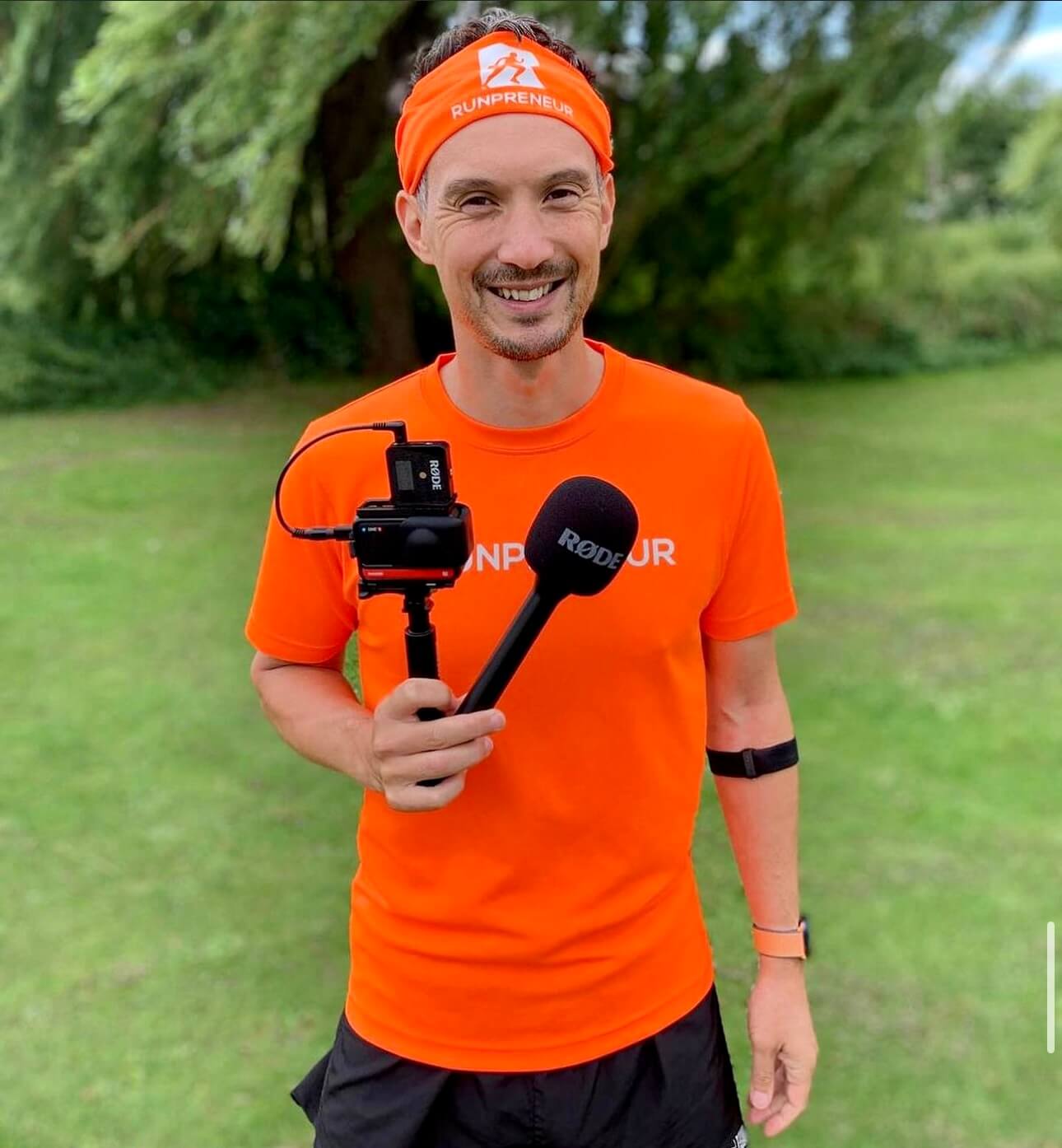
Meet Kevin, a dedicated Runpreneur who embarked on an extraordinary journey to raise £1 million for children in need. Over the course of his 40,075km challenge, Kevin's unwavering determination and passion inspired thousands to join the Runpreneur movement.
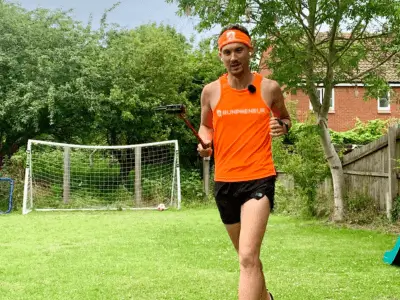
Runpreneur Vlogging: Capturing Kevin's Journey
Experience the Runpreneur challenge through the lens of Kevin's video diary. Witness his ups and downs, the camaraderie of the community, and the transformative power of running for a cause. Dive into the visual stories that capture the essence of the Runpreneur movement.

Empowering Children, One Step at a Time
As Kevin logged every kilometre of his 40,075km challenge, the true purpose behind his journey came into focus. Each step, each bead of sweat, fuelled essential healthcare, education, and nutrition programs for children in need around the world.
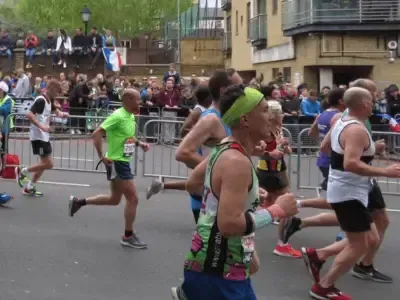
The Transformative 4x4x48 Challenge
Experience the thrill and personal growth of our iconic 48-hour running event. Witness the determination and resilience of Runpreneurs as they push their limits, one mile at a time.
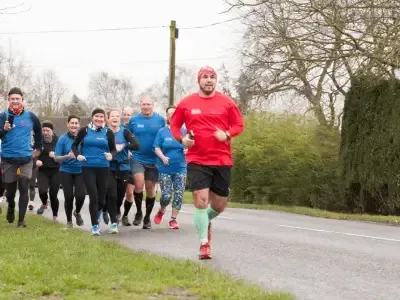
Runpreneur Vlogging: Capturing the Journey
Dive into the visual stories of our Runpreneurs as they document their experiences through engaging video logs. Witness the challenges, triumphs, and moments of camaraderie that define the Runpreneur spirit.
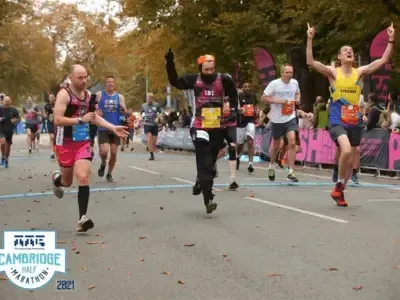
Becoming a Runpreneur: Join the Movement
Learn how you can become a Runpreneur and be part of this global community. Discover the steps to sign up, complete the challenge, and share your journey, all while making a lasting difference.
Connect With Us:



















I am on a mission to raise £1,000,000 for children's causes by daily run-vlogging barefoot-style, covering the total distance of a lap around the world—40,075 km.