
Runpreneur Journey Blog
Embark on an extraordinary journey with the Runpreneur community. Discover inspiring stories, insider tips, and the transformative power of our global challenge. From first-time runners to seasoned athletes, our blog captures the essence of the Runpreneur movement, inspiring others to join the cause.
How Daily Routine Tracking Transformed My Team's Productivity After 1985 Days of Running
How Daily Routine Tracking Transformed My Team's Productivity After 1985 Days of Running
Today marked day 1985 of my consecutive running streak, and as my feet hit the pavement in my Vibram FiveFingers, I reflected on something that's revolutionised how I approach productivity — not just for myself, but for my entire team.
Over the past few months, I've been implementing what I call "Routine OS" — a simple system that asks one fundamental question: "Have you moved the needle forward on your most important objectives today?"
The inspiration came from John Lamerton's "The Routine Machine." While I'd read James Clear's "Atomic Habits" years earlier, Lamerton's approach resonated differently. Perhaps it was timing, or maybe the practical simplicity, but something clicked. The result has been transformational.
Running 19,850 kilometres towards my 40,075km goal has taught me that consistency trumps intensity every time. The same principle applies to productivity. It's not about heroic efforts or 12-hour workdays — it's about small, daily actions that compound over time.
Here's how the system works. I start with quarterly goals — never more than three. The magic of three keeps things manageable. These quarterly targets break down into monthly chunks, which can further divide into weekly tasks if needed. The key principle throughout is "less is more."
For my team, each person completes a daily form that takes under a minute. The core question remains consistent: "Did you move the needle forward today?" If yes, they explain how in one sentence. If no, they explain why in one sentence. That's it.
The beauty lies in the simplicity. I track attendance rates, identify blockers quickly, and see patterns over 30, 90, and 180-day periods. More importantly, everyone stays crystal clear on what matters most.
My personal form includes life elements too — morning routine completion, hydration, recording my running vlog, completing my daily run. These aren't just habits anymore; they're tracked routines that support my larger mission of raising £1M for children's causes while circumnavigating the globe on foot.
The data reveals fascinating insights. I can see which team members consistently progress versus those who struggle. I identify systemic issues before they become problems. Most crucially, I ensure every working day contributes meaningfully to our biggest objectives.
This system emerged from the same mindset that drives my daily running. When you commit to something for 1985 consecutive days, you learn that systems matter more than motivation. Motivation fluctuates; systems endure.
The technology doesn't need to be complex. I use Airtable because it integrates with my existing business operating system, but Google Forms work perfectly. The barrier to entry is intentionally low — if it takes more than a minute to complete, resistance builds and compliance drops.
What strikes me most is how this mirrors my fundraising mission. Every day I run, vlog, and share my journey because collective small actions create massive outcomes. Every subscriber, share, and donation moves us closer to saving children's lives through Great Ormond Street Hospital and BBC Children in Need.
The routine tracking system operates on identical principles. Daily accountability creates weekly progress. Weekly progress builds monthly momentum. Monthly momentum achieves quarterly breakthroughs.
Some team members initially resisted the tracking. "More admin," they said. But when they saw how quickly I could identify and remove blockers, when they experienced the clarity of knowing exactly what success looked like each day, resistance turned to enthusiasm.
The key is making everyone crystal clear on expectations. If people don't understand what "moving the needle forward" means for their role and our collective goals, the system fails. Clarity is kindness — both for leaders and team members.
After 1985 days of running, I've learned that sustainable progress requires honest assessment. Some days I feel strong; others require pure determination. The routine tracking system provides the same honest mirror for productivity. It shows reality, not wishful thinking.
Looking ahead to the remaining 20,225 kilometres and my £1M fundraising target, I know that both depend on consistent daily actions. The routine system ensures my team and I stay focused on what matters most, not just what feels urgent.
Whether you're running around the world or building a business, the principle remains: track what matters, keep it simple, and trust in the compound effect of daily consistency. As I've learned over nearly 2000 consecutive days, small actions sustained over time create extraordinary results.
Kevin's 40,075km Challenge: Raising £1 Million for Children
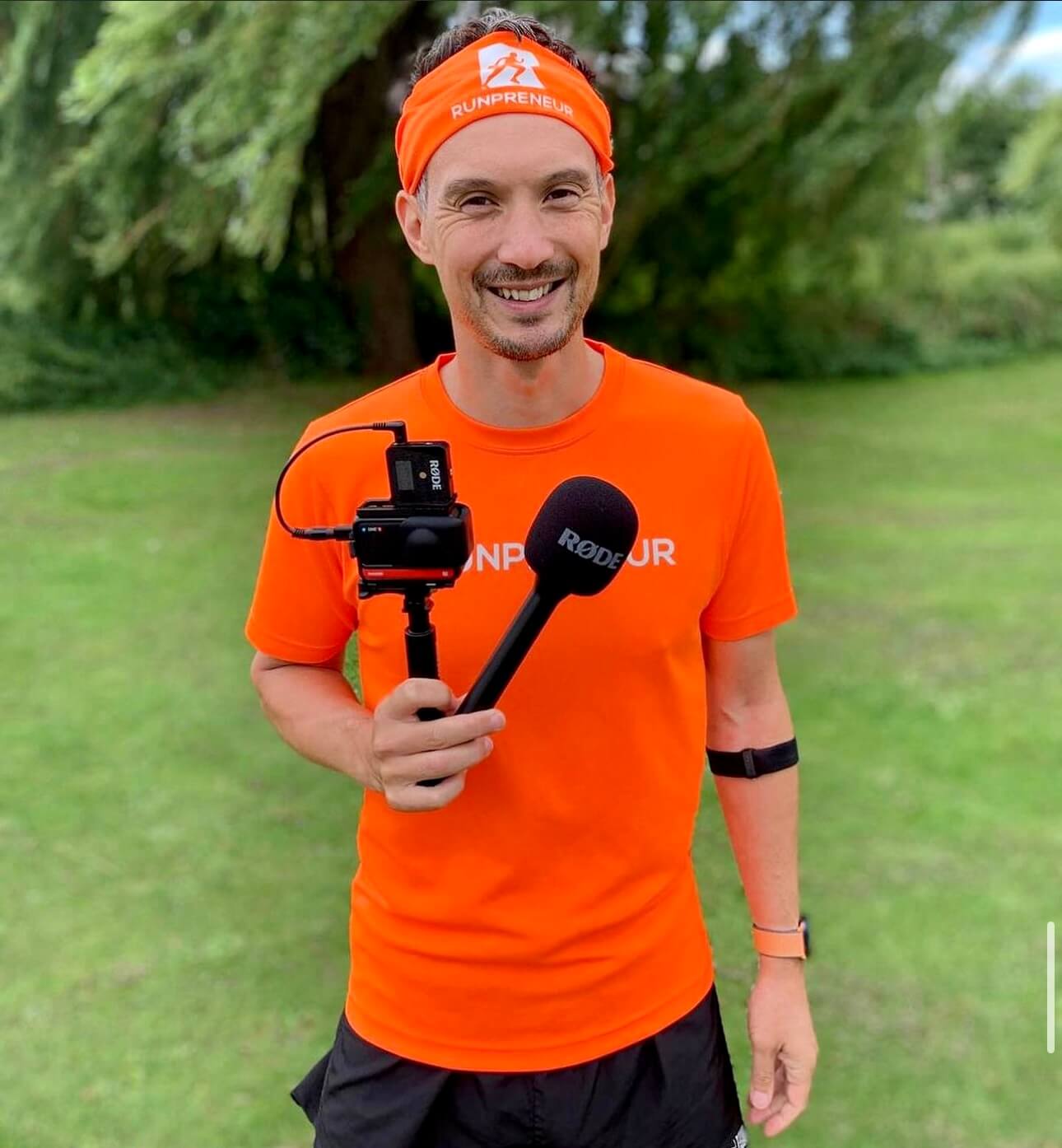
Meet Kevin, a dedicated Runpreneur who embarked on an extraordinary journey to raise £1 million for children in need. Over the course of his 40,075km challenge, Kevin's unwavering determination and passion inspired thousands to join the Runpreneur movement.
Runpreneur Vlogging: Capturing Kevin's Journey
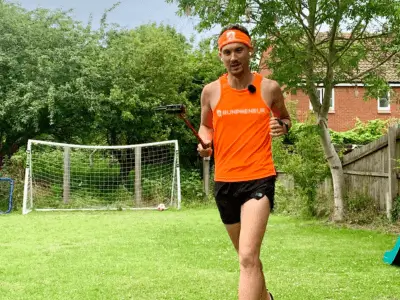
Experience the Runpreneur challenge through the lens of Kevin's video diary. Witness his ups and downs, the camaraderie of the community, and the transformative power of running for a cause. Dive into the visual stories that capture the essence of the Runpreneur movement.

Empowering Children, One Step at a Time
As Kevin logged every kilometre of his 40,075km challenge, the true purpose behind his journey came into focus. Each step, each bead of sweat, fuelled essential healthcare, education, and nutrition programs for children in need around the world.
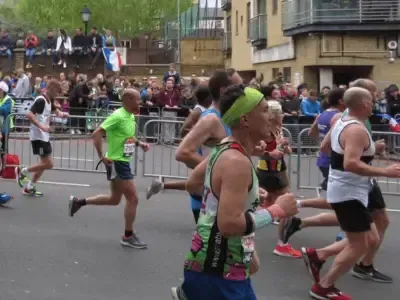
The Transformative 4x4x48 Challenge
Experience the thrill and personal growth of our iconic 48-hour running event. Witness the determination and resilience of Runpreneurs as they push their limits, one mile at a time.
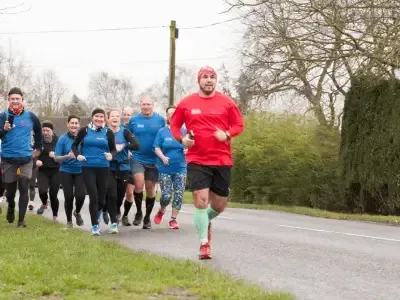
Runpreneur Vlogging: Capturing the Journey
Dive into the visual stories of our Runpreneurs as they document their experiences through engaging video logs. Witness the challenges, triumphs, and moments of camaraderie that define the Runpreneur spirit.
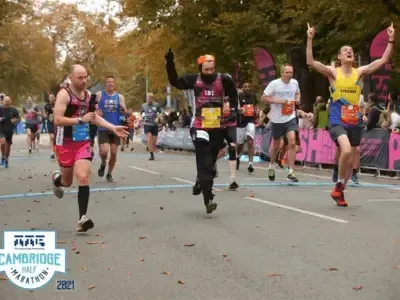
Becoming a Runpreneur: Join the Movement
Learn how you can become a Runpreneur and be part of this global community. Discover the steps to sign up, complete the challenge, and share your journey, all while making a lasting difference.
Connect With Us:



















I am on a mission to raise £1,000,000 for children's causes by daily run-vlogging barefoot-style, covering the total distance of a lap around the world—40,075 km.