
Runpreneur Journey Blog
Embark on an extraordinary journey with the Runpreneur community. Discover inspiring stories, insider tips, and the transformative power of our global challenge. From first-time runners to seasoned athletes, our blog captures the essence of the Runpreneur movement, inspiring others to join the cause.
How AI is Revolutionising Business Systems for Time-Poor Entrepreneurs
How AI is Revolutionising Business Systems for Time-Poor Entrepreneurs
Day 1992 of my barefoot running streak brought an unexpected clarity about business transformation. As my feet found their rhythm on the pavement, I reflected on how dramatically business systemisation has evolved – and why this matters for every entrepreneur drowning in operational chaos.
Twenty years ago, when I first started building businesses, creating standard operating procedures was a monumental task. You'd spend days, sometimes weeks, crafting detailed operations manuals for every single process. I remember the frustration – knowing your business needed systems but lacking the bandwidth to create them properly.
The traditional approach demanded meticulous documentation. Every step, every decision point, every exception had to be captured in writing. Then you'd create video walkthroughs, followed by checklists, followed by process maps using BPMN 2.0 standards. For a business with 300-500 processes, this could consume months of effort. Most entrepreneurs, myself included, would procrastinate endlessly on this critical work.
Here's what I've observed: entrepreneurs are typically big-picture thinkers, relationship builders, visionaries. We're energised by possibility, not process documentation. The detailed, analytical work required for proper systemisation often conflicts with our natural wiring. We'd rather chase the next opportunity than document the current one.
But systems determine scalability. Without them, you become the bottleneck in your own business.
The first evolution came with accessible screen recording technology. Suddenly, we could capture processes visually rather than purely through written documentation. This was revolutionary – showing rather than telling. Mobile phones with high-quality video capabilities accelerated this shift. Yet even then, you still needed to create comprehensive manuals and checklists from those recordings.
What struck me during today's run was how artificial intelligence has fundamentally changed this landscape. What once took days can now happen in minutes. You can generate comprehensive standard operating procedures almost instantly, complete with decision trees and exception handling.
But the real game-changer isn't just speed – it's automation. These AI-generated SOPs can now become AI agents themselves. Instead of creating documentation that humans follow, you're creating digital workers that execute the processes autonomously.
Think about this progression: written manual to video guide to AI agent. We've moved from documenting work to automating it entirely.
During my run today, I considered the implications for the businesses I advise. An AI agent can integrate with your existing software stack, trigger automatically based on specific conditions, and execute complex workflows without human intervention. The SOP becomes the blueprint for digital labour, not just human instruction.
This democratises business automation. Previously, only large corporations could afford sophisticated process automation. Now, any entrepreneur can build AI agents from their standard operating procedures and deploy them across their operations.
The consistency element resonates deeply with my running mission. Just as I maintain daily discipline on the road, successful businesses require consistent process execution. But human consistency has limits – we get tired, distracted, emotional. AI agents maintain perfect consistency indefinitely.
As I approach 20,000 kilometres on this journey to complete 40,075km and raise £1 million for children's causes, I'm reminded that systematic progress beats sporadic intensity. The same principle applies to business operations.
However, there's a critical nuance here. The technology enables rapid systemisation, but it still requires strategic thinking. You need to identify which processes to systematise first, how to integrate AI agents effectively, and where human judgment remains essential.
The entrepreneurs who embrace this evolution will gain tremendous competitive advantages. They'll scale faster, maintain higher quality, and free up mental bandwidth for strategic work. Those who resist will find themselves increasingly disadvantaged.
What excites me most is how this levels the playing field. Small businesses can now operate with enterprise-level efficiency. A solo entrepreneur can deploy AI agents that handle routine operations while they focus on growth and innovation.
The key is starting simple. Don't try to systemise everything simultaneously. Choose one critical process, document it properly, create the AI agent, test thoroughly, then expand gradually.
This technological evolution mirrors the persistence required for my daily running streak. Progress compounds through consistent, small actions. Each day's run might seem insignificant, but after 1992 consecutive days, I've covered nearly 20,000 kilometres.
Business systemisation works similarly. Each process you systematise and automate creates cumulative leverage. The initial effort pays dividends indefinitely.
As I continue toward my 40,075km goal while raising funds for Great Ormond Street Hospital and BBC Children in Need, I'm constantly reminded that sustainable progress requires reliable systems. Whether it's maintaining a daily running streak or building a scalable business, consistency through systematisation creates extraordinary outcomes.
The AI revolution in business operations isn't coming – it's here. The question isn't whether to adopt these tools, but how quickly you can integrate them into your competitive strategy.
Kevin's 40,075km Challenge: Raising £1 Million for Children
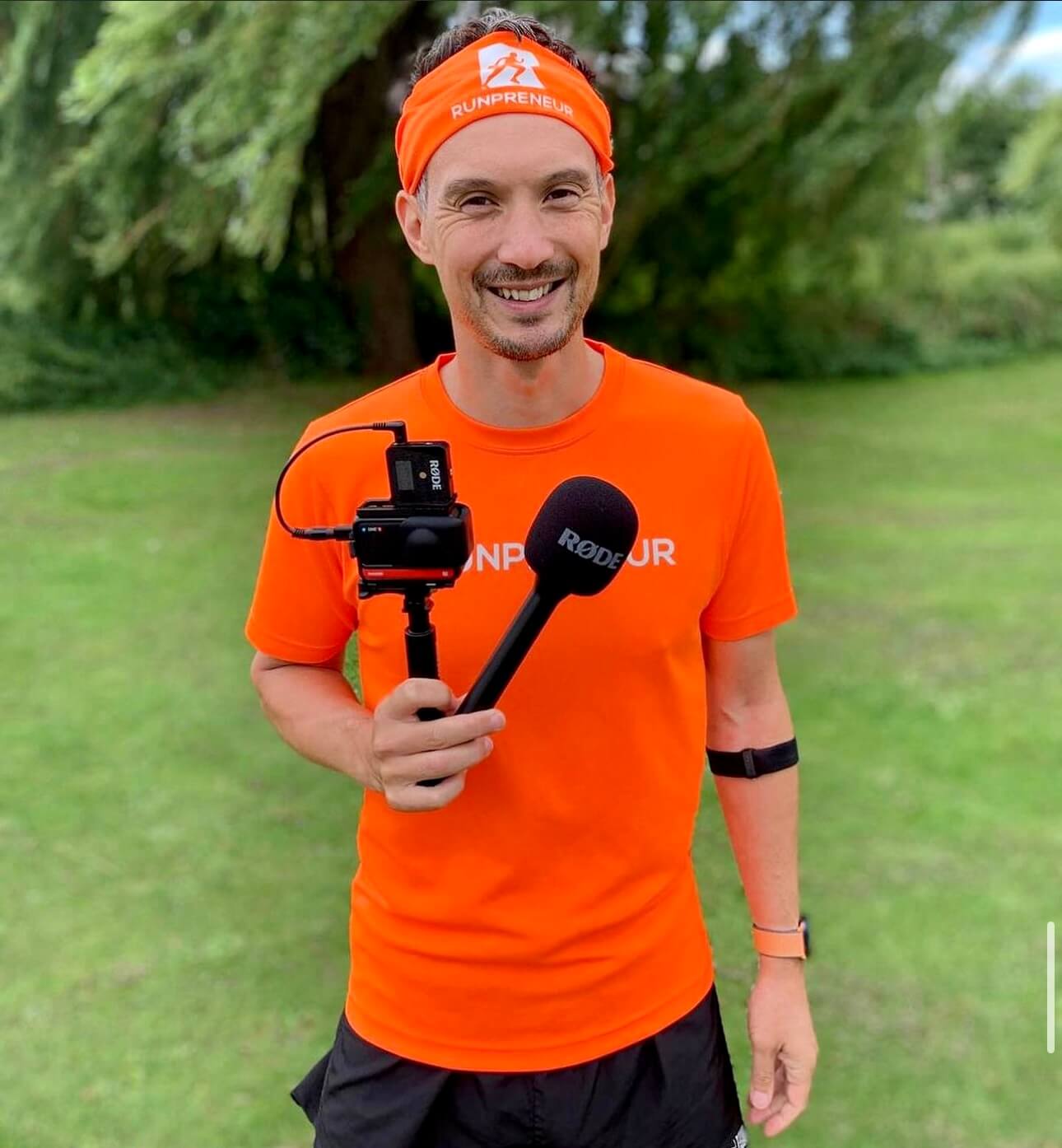
Meet Kevin, a dedicated Runpreneur who embarked on an extraordinary journey to raise £1 million for children in need. Over the course of his 40,075km challenge, Kevin's unwavering determination and passion inspired thousands to join the Runpreneur movement.
Runpreneur Vlogging: Capturing Kevin's Journey
Experience the Runpreneur challenge through the lens of Kevin's video diary. Witness his ups and downs, the camaraderie of the community, and the transformative power of running for a cause. Dive into the visual stories that capture the essence of the Runpreneur movement.

Empowering Children, One Step at a Time
As Kevin logged every kilometre of his 40,075km challenge, the true purpose behind his journey came into focus. Each step, each bead of sweat, fuelled essential healthcare, education, and nutrition programs for children in need around the world.
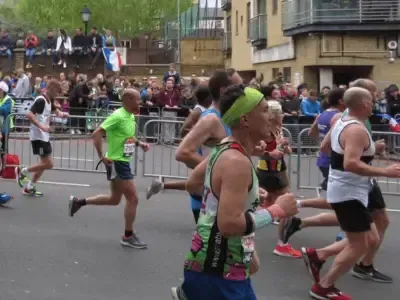
The Transformative 4x4x48 Challenge
Experience the thrill and personal growth of our iconic 48-hour running event. Witness the determination and resilience of Runpreneurs as they push their limits, one mile at a time.
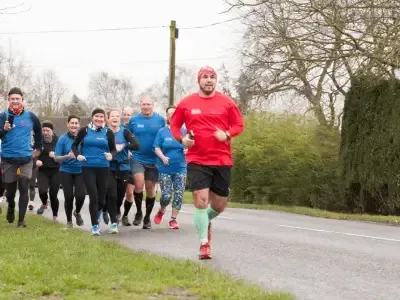
Runpreneur Vlogging: Capturing the Journey
Dive into the visual stories of our Runpreneurs as they document their experiences through engaging video logs. Witness the challenges, triumphs, and moments of camaraderie that define the Runpreneur spirit.
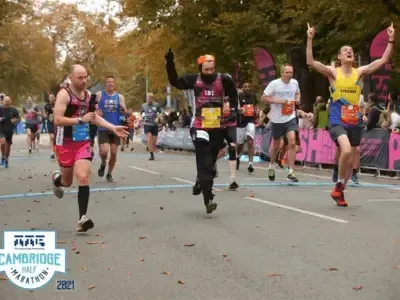
Becoming a Runpreneur: Join the Movement
Learn how you can become a Runpreneur and be part of this global community. Discover the steps to sign up, complete the challenge, and share your journey, all while making a lasting difference.
Connect With Us:



















I am on a mission to raise £1,000,000 for children's causes by daily run-vlogging barefoot-style, covering the total distance of a lap around the world—40,075 km.