
Runpreneur Journey Blog
Embark on an extraordinary journey with the Runpreneur community. Discover inspiring stories, insider tips, and the transformative power of our global challenge. From first-time runners to seasoned athletes, our blog captures the essence of the Runpreneur movement, inspiring others to join the cause.
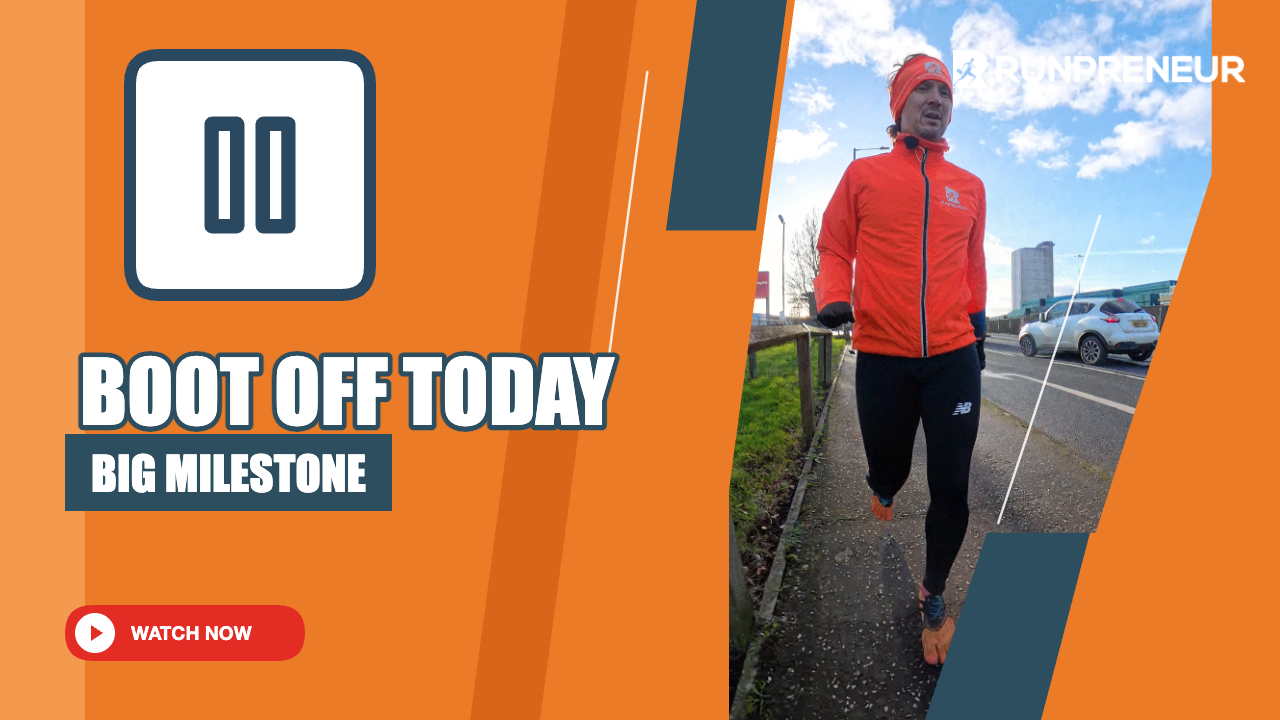
Healed Enough vs Fully Recovered: What Injury Recovery Really Means for Endurance Athletes
Healed Enough vs Fully Recovered: What Injury Recovery Really Means for Endurance Athletes
Day 2046. The boot is off.
After six weeks wearing a supportive boot for a broken foot and four weeks before that when I was still running and walking on it without even knowing it was broken today marks the first day back in normal footwear. It is a milestone worth acknowledging. But it is also a milestone worth treating with a great deal of caution.
Because there is a difference between healed enough and fully recovered. And understanding that difference might be the most important thing I have learned from this injury.
When the boot came off this morning, my foot felt strange. Not painful in any alarming way, but unfamiliar. Like something waking up after a long sleep. My first instinct was to question it is that sensation normal, or is something wrong? And that is where the mind can play tricks on you. When you have been through a significant injury, any unusual feeling becomes a potential warning sign. What I had to remind myself is that the strangeness was simply my foot re-acclimatising to being used again. The muscles, tendons and surrounding tissue have spent weeks being supported and restricted. Of course it is going to feel different. Of course it is going to take time.
But here is what I also had to sit with honestly: the removal of the boot does not mean I am back. It means the bone has healed enough that the external support is no longer medically necessary. That is not the same as being at full strength. Not even close.
I have been running in barefoot-style footwear Vibram FiveFingers for over five and a half years now, every single day without exception. 2046 consecutive days. In that time I have accumulated just over 20,460 kilometres of a 40,075 kilometre goal a lap of the earth on foot, in support of raising £1 million for children's causes including Great Ormond Street Hospital and BBC Children in Need. Consistency has been the engine of this mission. Not intensity. Not speed. Consistency.
And yet, this injury tested that principle in a way nothing has before. It is the most significant injury I have dealt with across this entire streak. To continue the daily commitment during the worst of it, without knowing at first that the foot was even broken, required a level of discipline that I am still processing. I am not proud of running on a broken foot — I would not recommend it to anyone. But I am glad that once I did know, I respected the process. I wore the boot. I listened to the specialists. I held back.
That last part holding back is where I want to spend a moment, because I think it is underestimated.
When you have a cast on, or a boot, or crutches, the restriction is physical and obvious. You cannot push too hard because the equipment itself limits you. But the moment that equipment is removed, the only thing standing between you and a setback is your own judgement. Your own discipline. Your own ability to resist the urge to rush back to where you were.
And that, for someone who has been running every day for nearly five and a half years, is genuinely difficult. The absence of a physical barrier does not mean the recovery is complete. It just means the responsibility shifts entirely to you.
I have spoken before about the difference between motivation and discipline. Motivation is unreliable — it ebbs and flows. Discipline is what carries you when motivation is absent. Today felt like that same principle applied to recovery. There is no motivational high in taking it slow. There is no satisfaction in a careful, measured walk when your instinct is to run. But the disciplined choice, the long-term thinking, is the only choice that actually protects the mission.
Because here is the reality: if I rush this and re-injure the foot, the setback is not just physical. It affects the kilometres. It affects the fundraising. It affects the children whose causes this mission exists to support. The 19,615 kilometres still to go on this journey do not get covered by impatience. They get covered by the same thing that has carried me this far daily commitment, informed by good sense.
There is something else worth naming here, particularly for anyone reading this who is currently in their own recovery from injury. Reaching a milestone in recovery whether that is removing a boot, ditching the crutches, finishing a course of physiotherapy can create a false sense of arrival. You have hit a checkpoint, and checkpoints feel like the end of something. But they are rarely the end. They are the beginning of the next phase, which often requires even more mental discipline than the phase before it, precisely because the external scaffolding has been removed.
Listen to the specialists. Take it slow. Do not confuse the absence of the support structure with the presence of full strength. Build back gradually. Track what you can do without pain, and add to it incrementally.
That is not a motivational message. That is just what the evidence suggests, and what my own experience has taught me.
For me, today's milestone is real and I am grateful for it. Six weeks in a boot after a broken foot, during a daily running streak that spans five and a half years, is not trivial. But the celebration is quiet. Because the work is not done.
20,460 kilometres covered. 19,615 still to go. £1 million still to raise for children who need it. The foot healed enough to take the boot off today.
Now the work of becoming fully recovered begins.
If you want to follow this journey, the daily vlogs, the progress, and the mission, find me across social platforms as Kevin Brittain. And if you feel moved to support the fundraising effort for Great Ormond Street Hospital and BBC Children in Need, every contribution matters — not because of the amount, but because of what it represents to the children it reaches.
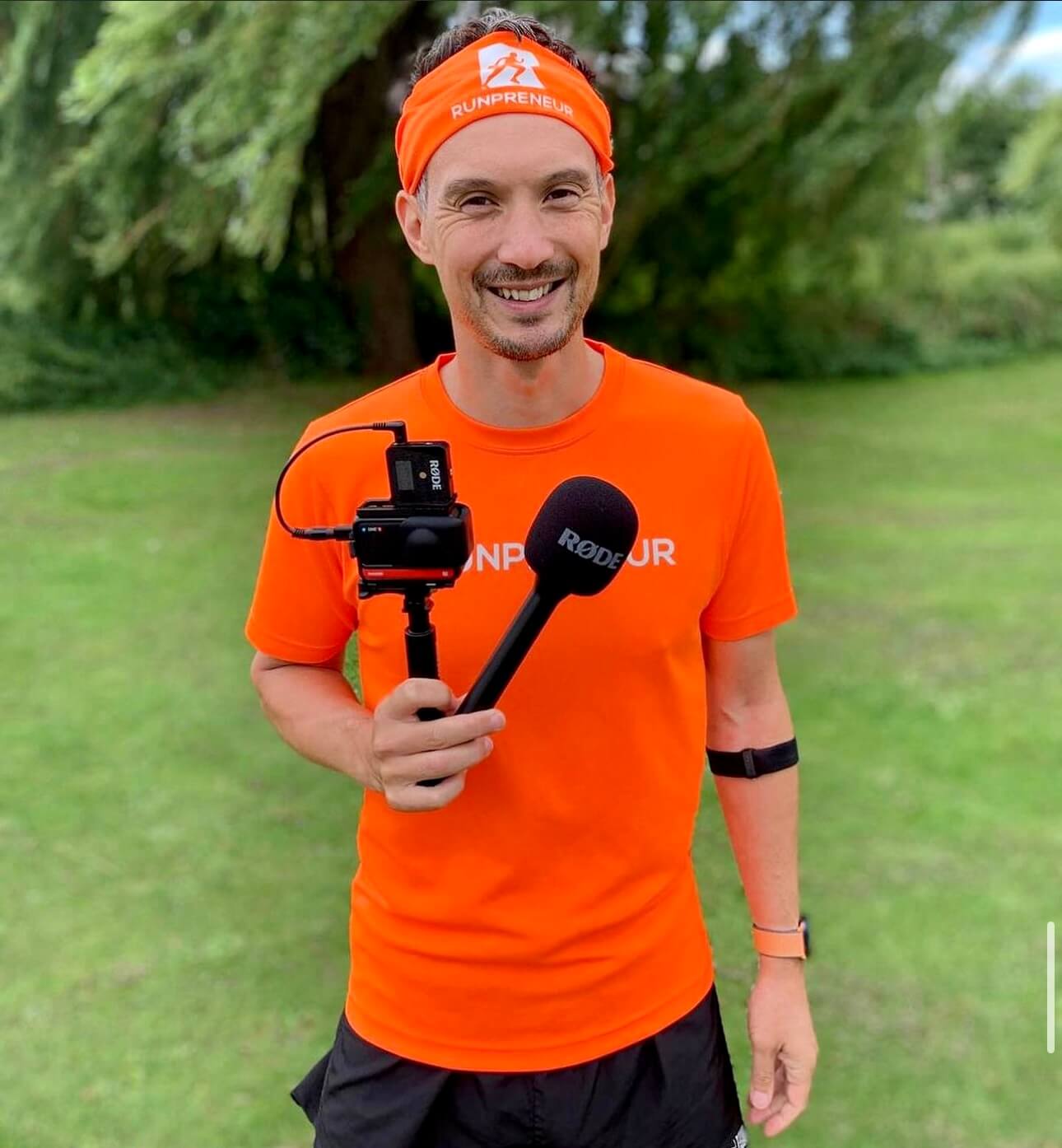
Kevin's 40,075km Challenge: Raising £1 Million for Children
Meet Kevin, a dedicated Runpreneur who embarked on an extraordinary journey to raise £1 million for children in need. Over the course of his 40,075km challenge, Kevin's unwavering determination and passion inspired thousands to join the Runpreneur movement.
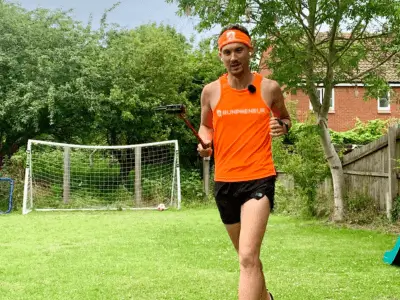
Runpreneur Vlogging: Capturing Kevin's Journey
Experience the Runpreneur challenge through the lens of Kevin's video diary. Witness his ups and downs, the camaraderie of the community, and the transformative power of running for a cause. Dive into the visual stories that capture the essence of the Runpreneur movement.

Empowering Children, One Step at a Time
As Kevin logged every kilometre of his 40,075km challenge, the true purpose behind his journey came into focus. Each step, each bead of sweat, fuelled essential healthcare, education, and nutrition programs for children in need around the world.
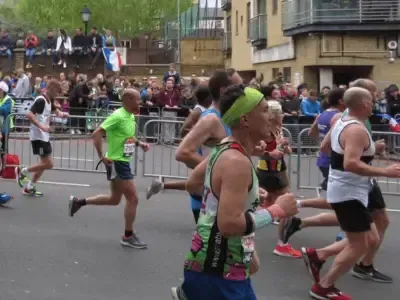
The Transformative 4x4x48 Challenge
Experience the thrill and personal growth of our iconic 48-hour running event. Witness the determination and resilience of Runpreneurs as they push their limits, one mile at a time.
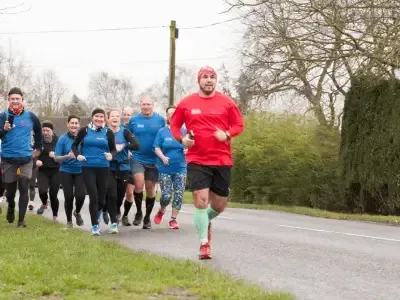
Runpreneur Vlogging: Capturing the Journey
Dive into the visual stories of our Runpreneurs as they document their experiences through engaging video logs. Witness the challenges, triumphs, and moments of camaraderie that define the Runpreneur spirit.
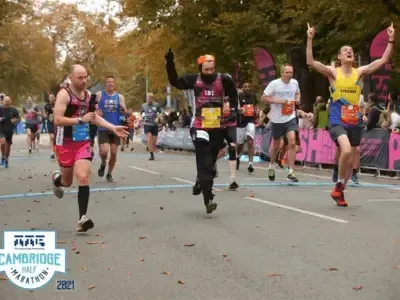
Becoming a Runpreneur: Join the Movement
Learn how you can become a Runpreneur and be part of this global community. Discover the steps to sign up, complete the challenge, and share your journey, all while making a lasting difference.
Connect With Us:



















I am on a mission to raise £1,000,000 for children's causes by daily run-vlogging barefoot-style, covering the total distance of a lap around the world—40,075 km.