
Runpreneur Journey Blog
Embark on an extraordinary journey with the Runpreneur community. Discover inspiring stories, insider tips, and the transformative power of our global challenge. From first-time runners to seasoned athletes, our blog captures the essence of the Runpreneur movement, inspiring others to join the cause.
Has EOS Traction's Visionary Integrator Model Had Its Day in the AI Era?
Has EOS Traction's Visionary Integrator Model Had Its Day in the AI Era?
Day 2050. 20,500km into a barefoot-style run around the world. 19,575km still to go. And this morning, as I was moving through the miles, I found myself turning over a question that's been sitting with me for a while now in my business life. Is the traditional visionary and integrator model, as laid out by Gino Wickman in Traction and Rocket Fuel, becoming out of date?
Before I go any further, I want to be clear about something. I have a huge amount of respect for Wickman's work. Traction changed the way a lot of entrepreneurs think about running their businesses, myself included. I've used elements of the Entrepreneurial Operating System across some of my own businesses and it delivered real results. So this isn't me dismissing the model. It's me reflecting honestly on how things are shifting, particularly in how I'm structuring and operating my own businesses right now.
For anyone who isn't familiar with EOS or the Rocket Fuel framework, the core idea is this. You have two essential leadership roles in a business. The visionary is the founder, the big picture thinker, the person who creates the direction, holds the mission, and keeps everything pointing toward where the business is going. Then you have the integrator, typically a managing director type, who takes that vision and makes it happen. They manage the team, the systems, the execution. The two roles complement each other and between them they drive the business forward.
It's a sound model. I've seen it work. But what I've been noticing, particularly over the last twelve months or so, is that the integrator role as it was originally conceived is becoming less essential. And the reason for that is artificial intelligence.
Let me explain what I mean rather than just making a bold claim.
When I think about what an integrator actually does, a significant portion of that function is about bridging the gap between the vision and the execution. It's about translating strategic direction into clear instruction, managing information flow across a team, ensuring systems are followed, tracking progress, and keeping the operation coherent. That is a lot of work. Important work. And historically, you needed a highly capable human being to carry it.
What's changed is that AI tools are now able to absorb and carry much of that load. Custom AI agents, purpose-built GPTs, intelligent project workspaces. These aren't just productivity tools. Used properly, they begin to function as an implementation layer between the visionary and the rest of the team. They can hold the strategy, surface relevant context, guide action, and reduce the need for a single human integrator to sit in the middle of every decision and process.
In my own businesses, we've set ourselves a target of getting 90 percent of workload outsourced to AI agents. That might sound extreme, and I'll be honest, we're not there yet. It will likely take more than a year. But I can see the pathway clearly now, and we're moving toward it deliberately.
What that's led me toward is a model I'd describe as visionary and implementors, plural. The visionary function remains just as important as it ever was. Someone has to hold the strategy, articulate the direction, make the creative and commercial calls, and sell the vision to the people around them. That doesn't change. If anything, with so much execution capacity available through AI, the quality of the vision and the clarity of the strategy becomes more important, not less.
But instead of a single integrator beneath the visionary, you now have a network of implementors, some human, some AI, working from clear direction. The AI layer helps ensure that direction is understood, followed, and tracked without necessarily needing a dedicated human intermediary at every stage.
Now I want to be careful here. I'm not suggesting you remove people from your business or that human judgment is no longer needed. That's not what I'm saying at all. What I'm saying is that the specific role of a designated integrator, in the formal Wickman sense, is becoming less critical than it once was because the tools now exist to amplify implementation in ways that weren't previously possible.
There's also a practical dimension to this. Finding a genuinely excellent integrator is hard. The skills required are specific and relatively rare. If AI tools can bridge a significant portion of that gap, then the barrier to effective execution becomes lower. The visionary can operate more directly with a broader team, supported by intelligent systems, without the critical dependency on finding and retaining that one exceptional integrator.
I'll be honest about my own limitations here too. I didn't fully perfect the visionary integrator model in the businesses where I tried it. I think if I had implemented it more precisely, it would have delivered more. So I'm not speaking from a position of having mastered Wickman's framework and then outgrown it. I'm speaking from the position of someone who has worked with it, found genuine value in it, and is now observing how AI is changing what good business architecture looks like.
The reason I talk about this on a run vlog, and on Day 2050 of a daily streak aimed at covering 40,075km and raising £1 million for children's causes, is because the thinking I do on these runs is real. This isn't performance. The miles create the mental space to work through problems properly. Today, this was the problem I was working through.
Every one of these 20,500km has been run barefoot style. Every episode has gone out. The mission hasn't changed. The way I operate my businesses to support that mission is changing, because the tools available to me are changing, and I have a responsibility to use them as effectively as I can.
If you follow the EOS model and you've read Rocket Fuel, I'd genuinely like to know how you're thinking about the integrator role as AI becomes more embedded in your operation. Is it still working exactly as Wickman described? Or are you finding, like me, that the landscape is shifting?
Drop your thoughts in the comments. I'll respond to anything relevant. And if you haven't yet, please do follow this channel. Every view, every share, every bit of reach gets us closer to the £1 million target for Great Ormond Street and BBC Children in Need. That's why I lace up every single day.
See you on Day 2051.
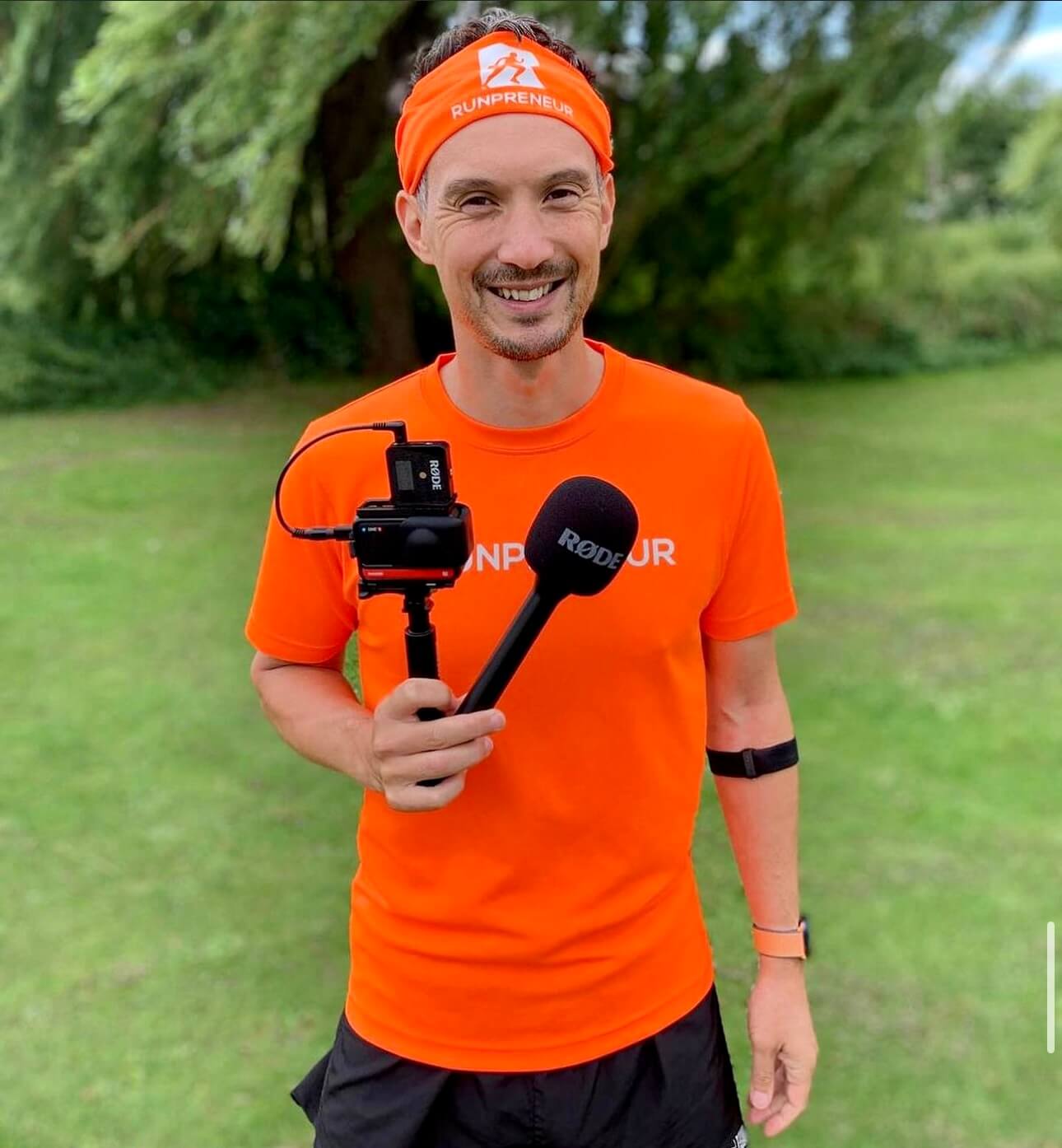
Kevin's 40,075km Challenge: Raising £1 Million for Children
Meet Kevin, a dedicated Runpreneur who embarked on an extraordinary journey to raise £1 million for children in need. Over the course of his 40,075km challenge, Kevin's unwavering determination and passion inspired thousands to join the Runpreneur movement.
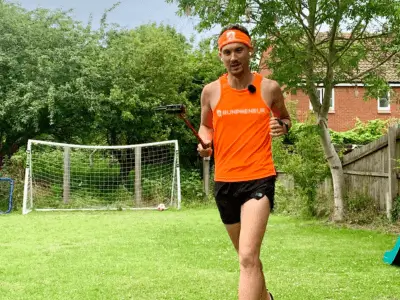
Runpreneur Vlogging: Capturing Kevin's Journey
Experience the Runpreneur challenge through the lens of Kevin's video diary. Witness his ups and downs, the camaraderie of the community, and the transformative power of running for a cause. Dive into the visual stories that capture the essence of the Runpreneur movement.

Empowering Children, One Step at a Time
As Kevin logged every kilometre of his 40,075km challenge, the true purpose behind his journey came into focus. Each step, each bead of sweat, fuelled essential healthcare, education, and nutrition programs for children in need around the world.
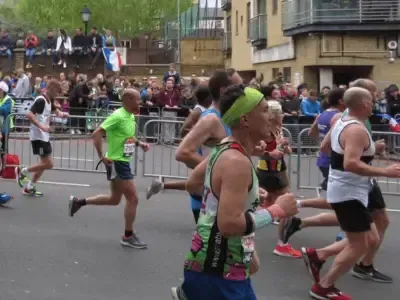
The Transformative 4x4x48 Challenge
Experience the thrill and personal growth of our iconic 48-hour running event. Witness the determination and resilience of Runpreneurs as they push their limits, one mile at a time.
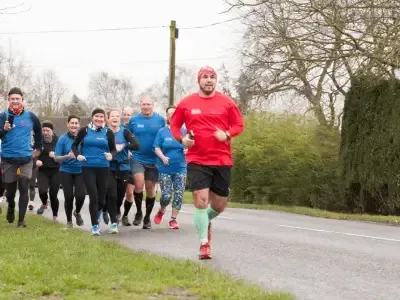
Runpreneur Vlogging: Capturing the Journey
Dive into the visual stories of our Runpreneurs as they document their experiences through engaging video logs. Witness the challenges, triumphs, and moments of camaraderie that define the Runpreneur spirit.
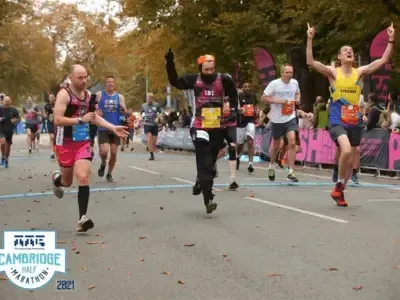
Becoming a Runpreneur: Join the Movement
Learn how you can become a Runpreneur and be part of this global community. Discover the steps to sign up, complete the challenge, and share your journey, all while making a lasting difference.
Connect With Us:



















I am on a mission to raise £1,000,000 for children's causes by daily run-vlogging barefoot-style, covering the total distance of a lap around the world—40,075 km.