
Runpreneur Journey Blog
Embark on an extraordinary journey with the Runpreneur community. Discover inspiring stories, insider tips, and the transformative power of our global challenge. From first-time runners to seasoned athletes, our blog captures the essence of the Runpreneur movement, inspiring others to join the cause.
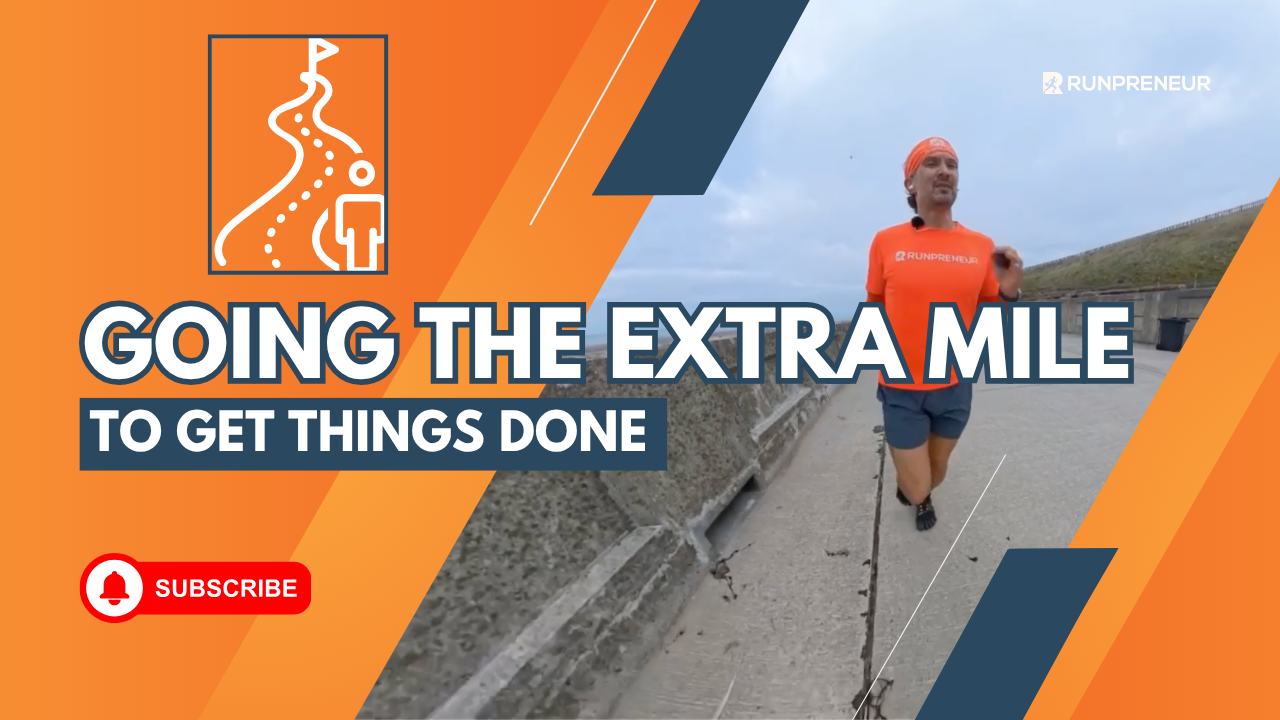
Going the Extra Mile When Systems Fail - Lessons from Day 1963 of My Running Mission
Going the Extra Mile When Systems Fail - Lessons from Day 1963 of My Running Mission
This morning I left home at 5am for a five-hour drive to Blackpool. I'm anything but a morning person, so you know this had to be important. After weeks of back-and-forth emails, automated responses promising 28-day reply times, and phone calls that led nowhere, I decided enough was enough. Sometimes you have to put yourself directly in front of the problem.
The issue was council tax banding for a property I'm trying to rent out to people who need suitable accommodation. Simple enough, you'd think. But weeks of "we'll get back to you" responses had left me stuck, unable to move forward with something that matters.
So I drove to Blackpool council offices and told them I wasn't leaving until someone who could actually resolve this spoke to me.
The receptionist wasn't sure what to do with this approach. After twenty minutes of back-and-forth, they eventually let me in. Then came the familiar response: "This is appointment only today, so they'll try to squeeze you in when they get the opportunity. You could be in for a wait."
I sat there for over an hour. But here's what I learned during that wait.
Sometimes the most important things get delayed for the most mundane reasons. People are on holiday, sick, or simply following processes that prioritise procedure over progress. The automated systems we've built to handle everything efficiently often create the opposite effect when you actually need something done.
But I also realised something about my own approach to problems. For weeks, I'd been following their system - sending emails, making calls, waiting patiently for responses that never came. I was letting their inefficiency dictate my timeline.
The moment I decided to take control and put myself in front of the right person, things changed. Not immediately, but they changed. Because suddenly I wasn't just another email in someone's inbox or another caller they could promise to ring back. I was a person sitting in their office, politely but persistently asking for help.
This isn't about being difficult or demanding. It's about recognising when the normal channels aren't working and having the determination to find another way. Sometimes going the extra mile literally means going the extra miles - 300 of them in my case today.
The principle applies beyond council offices and bureaucracy. In business, in relationships, in any situation where you're not getting the results you need, there comes a point where patience stops being a virtue and starts being an excuse for inaction.
I think about this a lot during my daily runs. Today was day 1963 of my running streak, covering another 10km on the Blackpool seafront before the long drive home. That's 19,630km completed towards my 40,075km mission - a lap of the world to raise £1million for children's causes.
Every single day for over five years, I've had to go the extra mile in some form. When it's raining, when I'm tired, when I'm dealing with property issues 300 miles from home, when everything else seems to be going wrong. The run still happens because the mission is bigger than the inconvenience.
The same principle applied today with the council. The property matter was important enough to warrant the extra effort because it serves something bigger - providing good accommodation for people who need it.
But here's the key insight: going the extra mile isn't about being heroic or making grand gestures. It's about consistency of effort when normal effort isn't enough. It's about recognising that some things matter enough to warrant extra energy, extra time, extra persistence.
After sitting in that office for over an hour, the right person eventually came down. The issue that had been dragging on for weeks was resolved in about fifteen minutes once I was speaking to someone who actually understood the system and had the authority to act.
Was it the most efficient use of my day? On paper, probably not. Five hours of driving plus waiting time for a fifteen-minute conversation. But sometimes efficiency isn't the right metric. Sometimes the right metric is results.
The lesson isn't that you should drive across the country every time someone doesn't reply to your email. The lesson is about recognising when something is important enough to warrant extraordinary effort, and then being willing to provide that effort without complaint.
With 20,445km still to go in my world lap mission and hundreds of thousands still to raise for Great Ormond Street and BBC Children in Need, I know there will be many more days when going the extra mile - literally and figuratively - will be what makes the difference between progress and stagnation.
Today was one of those days. Tomorrow will bring its own challenges, its own opportunities to choose between accepting the status quo and pushing for better results.
The choice, as always, is ours to make.
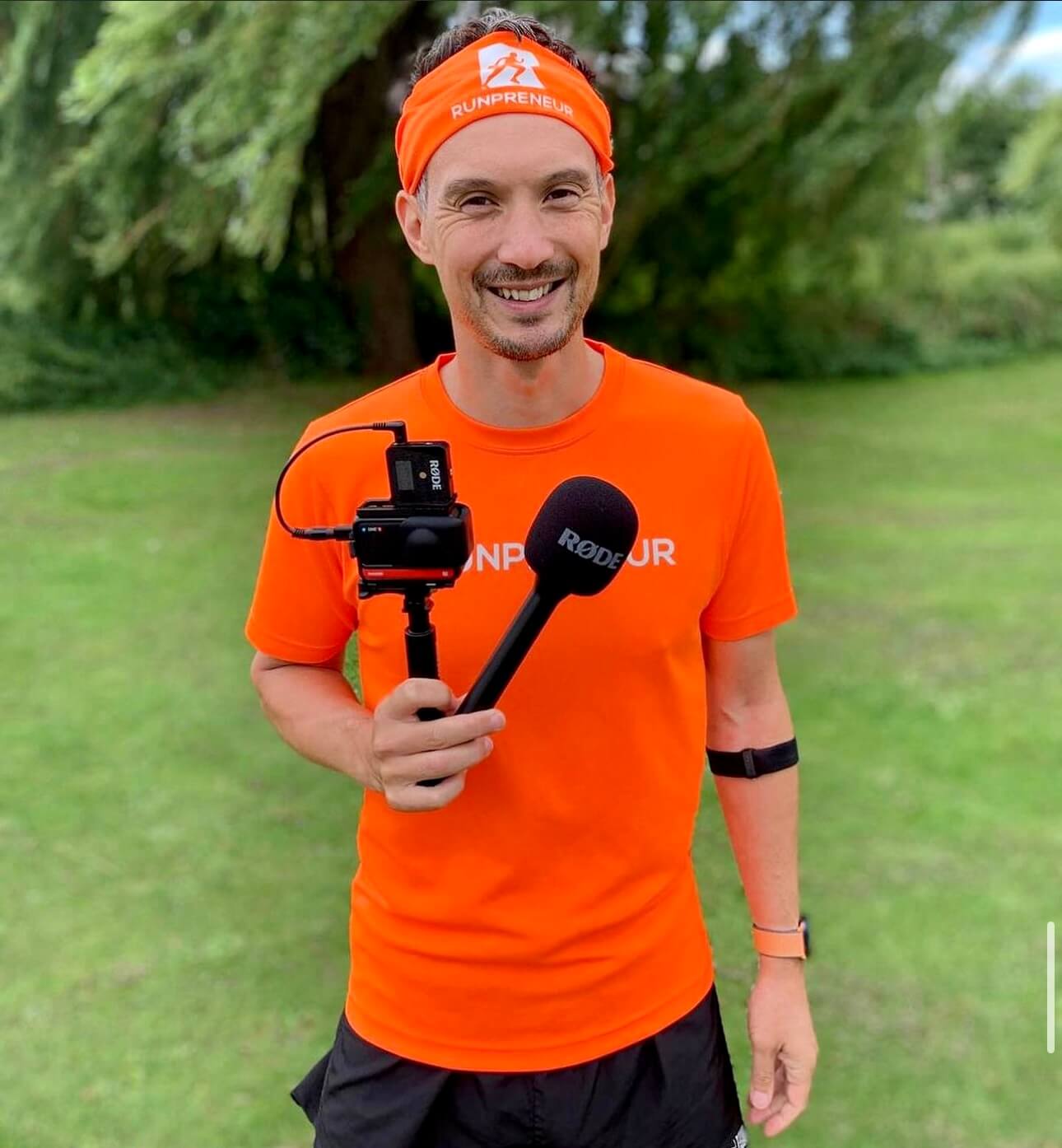
Kevin's 40,075km Challenge: Raising £1 Million for Children
Meet Kevin, a dedicated Runpreneur who embarked on an extraordinary journey to raise £1 million for children in need. Over the course of his 40,075km challenge, Kevin's unwavering determination and passion inspired thousands to join the Runpreneur movement.
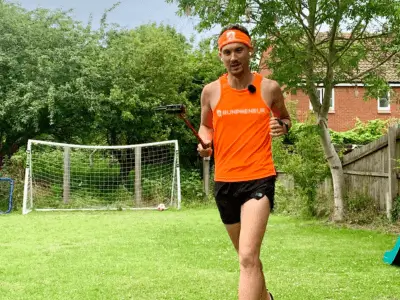
Runpreneur Vlogging: Capturing Kevin's Journey
Experience the Runpreneur challenge through the lens of Kevin's video diary. Witness his ups and downs, the camaraderie of the community, and the transformative power of running for a cause. Dive into the visual stories that capture the essence of the Runpreneur movement.

Empowering Children, One Step at a Time
As Kevin logged every kilometre of his 40,075km challenge, the true purpose behind his journey came into focus. Each step, each bead of sweat, fuelled essential healthcare, education, and nutrition programs for children in need around the world.
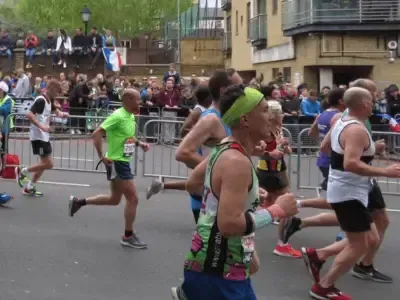
The Transformative 4x4x48 Challenge
Experience the thrill and personal growth of our iconic 48-hour running event. Witness the determination and resilience of Runpreneurs as they push their limits, one mile at a time.
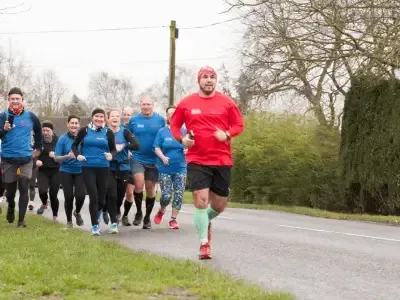
Runpreneur Vlogging: Capturing the Journey
Dive into the visual stories of our Runpreneurs as they document their experiences through engaging video logs. Witness the challenges, triumphs, and moments of camaraderie that define the Runpreneur spirit.
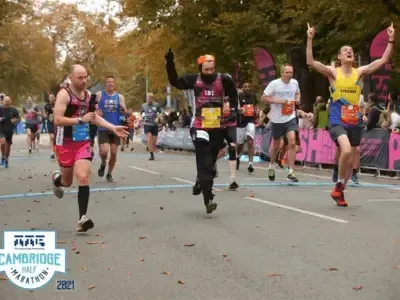
Becoming a Runpreneur: Join the Movement
Learn how you can become a Runpreneur and be part of this global community. Discover the steps to sign up, complete the challenge, and share your journey, all while making a lasting difference.
Connect With Us:



















I am on a mission to raise £1,000,000 for children's causes by daily run-vlogging barefoot-style, covering the total distance of a lap around the world—40,075 km.