
Runpreneur Journey Blog
Embark on an extraordinary journey with the Runpreneur community. Discover inspiring stories, insider tips, and the transformative power of our global challenge. From first-time runners to seasoned athletes, our blog captures the essence of the Runpreneur movement, inspiring others to join the cause.
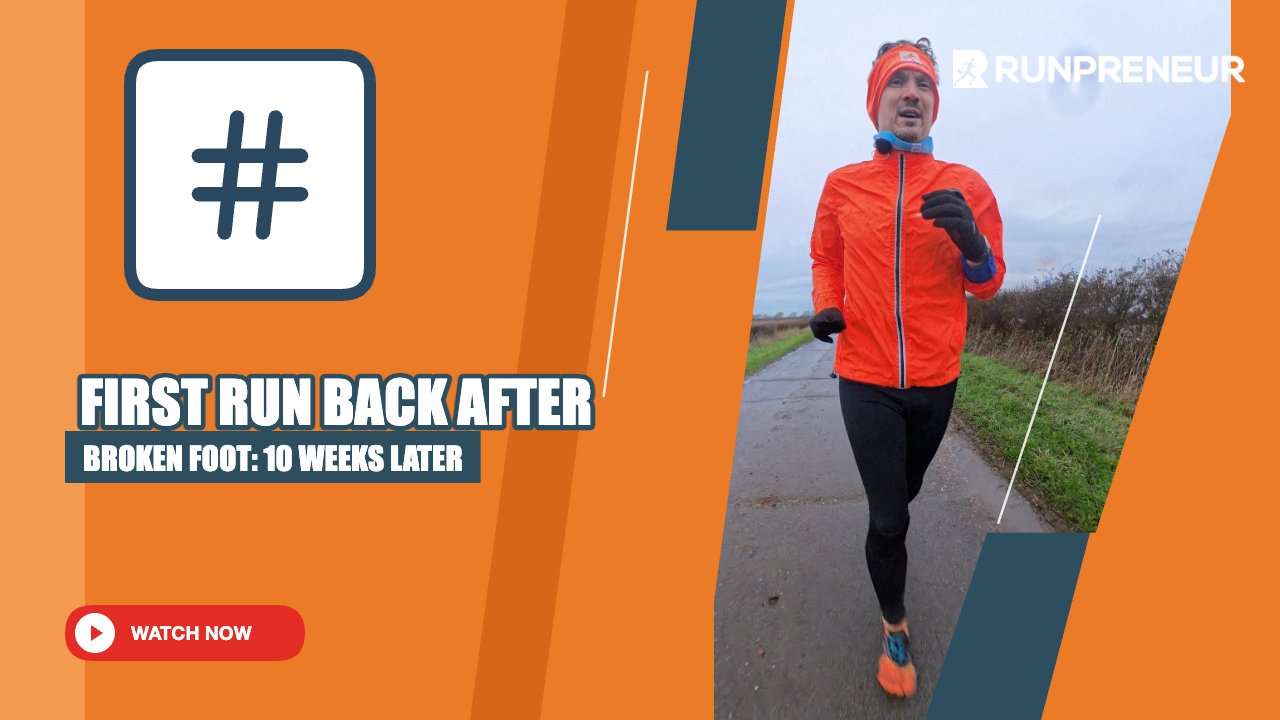
First Run Back After a Broken Foot: What 10 Weeks of Injury Recovery Really Feels Like
First Run Back After a Broken Foot: What 10 Weeks of Injury Recovery Really Feels Like
Day 2052. 20,520 kilometres into a run streak that is attempting to cover the entire circumference of the earth 40,075 kilometres barefoot style, every single day, to raise £1 million for children's causes including Great Ormond Street Hospital and BBC Children in Need. And today, for the first time in ten weeks, I ran.
One kilometre. That was it. One kilometre sandwiched between four kilometres of walking. And yet it felt like one of the most significant single kilometres of this entire streak.
Let me take you back to November. What started as discomfort something I convinced myself was manageable turned out to be a stress fracture in the third metatarsal of my foot. For the first four weeks, I kept the streak alive by power walking and jeffing, dropping my daily distance from seven and a half kilometres down to five. I want to be honest about that decision: it was probably not sensible. Those four weeks of pushing through what was already an injury turned what might have remained a stress fracture into a full break. That is on me, and it is a lesson I have had to sit with.
From there, six weeks in a supportive boot. The fracture clinic team were not exactly enthusiastic about me continuing to move on it daily, but they reluctantly agreed, provided I monitored pain carefully and adjusted if anything worsened. I respected that. I managed the daily streak through those six weeks as carefully as I could, walking in the boot, keeping the distance minimal, keeping the streak alive in the most stripped-back form possible.
Then last week, the boot came off. One week of walking without it, just to let the foot adjust and begin to trust itself again. And now, this week, the structure is four kilometres walking, one kilometre running, every day. Next week, if the foot holds, two kilometres of running. The week after, three. The goal is to build back incrementally to five kilometres of running, then six, and eventually back to seven and a half kilometres of daily running. No shortcuts. No rushing it.
So what does it actually feel like, that first kilometre back?
Honestly? Strange. It felt unfamiliar in a way I did not expect. My body knows how to run — it has done this every single day for over five and a half years but in that moment, my foot felt uncertain. My form felt slightly off. My breathing was hesitant. I think part of that is the physical reality of a bone that has healed but is not yet fully confident under load. And part of it is psychological. I had very little confidence that it would hold. That is just the truth.
There is a phrase I have been thinking about since this run. A driving instructor once told me that when a learner passes their test, that is when they actually start learning to drive. The lessons gave them the foundation, but real learning happens once they are out there on their own, making decisions, managing real situations. I think injury recovery is exactly the same. The clinic, the boot, the walking phases those are the lessons. But the real recovery, the part where you truly rebuild trust in your body, begins the moment you actually run again.
And that is where I am now. Not recovered. Beginning recovery.
The emotional reality of this day was a mix I did not fully anticipate. There was something euphoric about reaching this point — about actually running, even for just one kilometre, after ten weeks of managing around an injury. But sitting right alongside that euphoria was apprehension. A genuine concern that it could go again. That one wrong step, one moment of pushing too hard, too soon, could undo everything. That fear is not weakness. It is appropriate. And I intend to let it govern how I rebuild over the coming weeks.
The hardest part of injury recovery when you are a daily exerciser is restraint. Every instinct I have wants to do more. The streak is built on consistency, on showing up, on not stopping. But right now, showing up means doing one kilometre and stopping there. It means trusting the process even when the process feels frustratingly slow.
I think that is the lesson that matters most here, and it is one that goes well beyond running. The tendency, when you have been held back by something, is to overcompensate when the restriction lifts. To sprint before you have relearned to walk properly. And that is precisely how you end up back at the beginning. Controlled progression is not the absence of ambition. It is how ambition survives long term.
There are still 19,555 kilometres between where I am today and the completion of a full lap of the world on foot. There is still a £1 million fundraising target to reach for children who need it far more than I need a quick recovery timeline. Both of those things require me to still be running in the months and years ahead. One rushed kilometre today could cost me weeks, or more, down the road.
So the plan is simple and unglamorous. One kilometre of running today. One kilometre tomorrow. And the day after. Six days of that, then a modest increase. Week by week, kilometre by kilometre, until I am back to where I was. And then we carry on.
If you are going through something similar a long-term injury, a frustrating return to movement, that specific anxiety of not trusting your own body yet I hope this is useful. Not inspiring. Just honest. Because that is the only thing I know how to offer.
Day 2052. 20,520 kilometres down. 19,555 to go. One kilometre at a time.
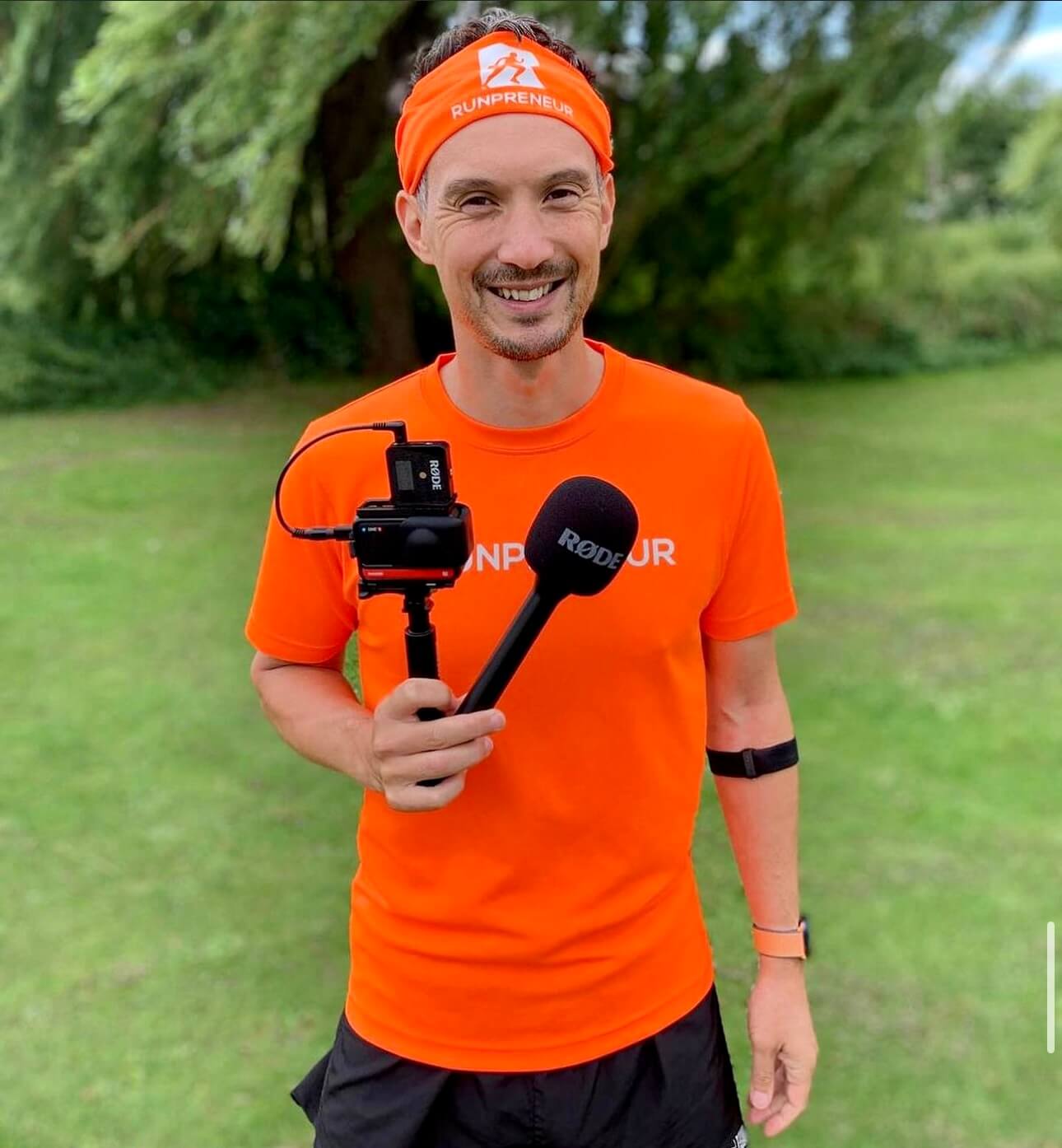
Kevin's 40,075km Challenge: Raising £1 Million for Children
Meet Kevin, a dedicated Runpreneur who embarked on an extraordinary journey to raise £1 million for children in need. Over the course of his 40,075km challenge, Kevin's unwavering determination and passion inspired thousands to join the Runpreneur movement.
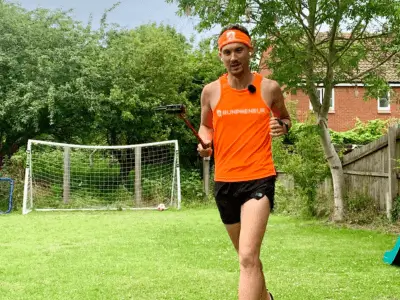
Runpreneur Vlogging: Capturing Kevin's Journey
Experience the Runpreneur challenge through the lens of Kevin's video diary. Witness his ups and downs, the camaraderie of the community, and the transformative power of running for a cause. Dive into the visual stories that capture the essence of the Runpreneur movement.

Empowering Children, One Step at a Time
As Kevin logged every kilometre of his 40,075km challenge, the true purpose behind his journey came into focus. Each step, each bead of sweat, fuelled essential healthcare, education, and nutrition programs for children in need around the world.
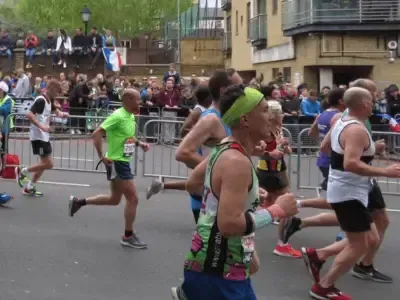
The Transformative 4x4x48 Challenge
Experience the thrill and personal growth of our iconic 48-hour running event. Witness the determination and resilience of Runpreneurs as they push their limits, one mile at a time.
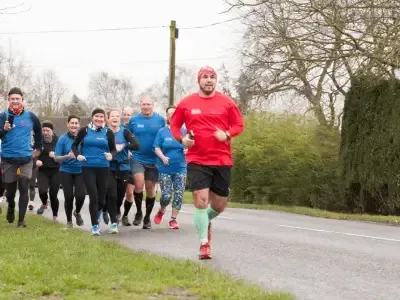
Runpreneur Vlogging: Capturing the Journey
Dive into the visual stories of our Runpreneurs as they document their experiences through engaging video logs. Witness the challenges, triumphs, and moments of camaraderie that define the Runpreneur spirit.
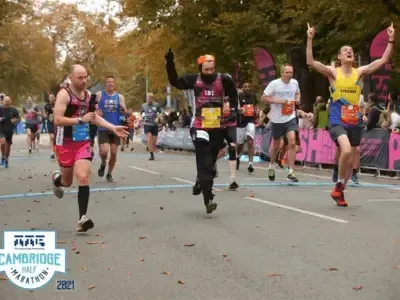
Becoming a Runpreneur: Join the Movement
Learn how you can become a Runpreneur and be part of this global community. Discover the steps to sign up, complete the challenge, and share your journey, all while making a lasting difference.
Connect With Us:



















I am on a mission to raise £1,000,000 for children's causes by daily run-vlogging barefoot-style, covering the total distance of a lap around the world—40,075 km.