
Runpreneur Journey Blog
Embark on an extraordinary journey with the Runpreneur community. Discover inspiring stories, insider tips, and the transformative power of our global challenge. From first-time runners to seasoned athletes, our blog captures the essence of the Runpreneur movement, inspiring others to join the cause.
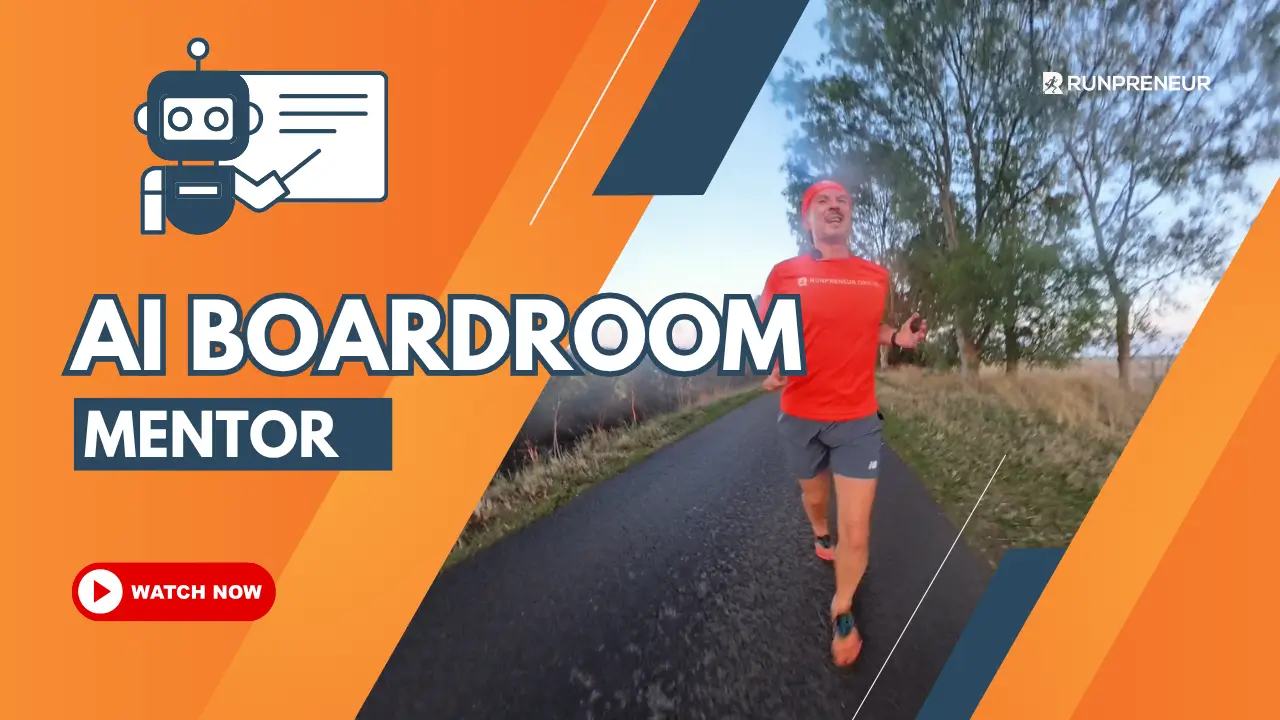
Ep1949 - AI Boardroom Mentor
AI as a Boardroom Mentor: What 1949 Days of Running Taught Me About Strategic Decision Making
The boardroom was silent except for the hum of air conditioning. I sat across from seasoned executives, each with decades more experience than me, and felt the familiar weight of being the youngest voice in the room. That was fifteen years ago, and today, on day 1949 of my barefoot running streak, I reflected on how artificial intelligence might change that dynamic forever.
During my run this morning, I found myself thinking about a conversation with an AI system that challenged my strategic thinking more effectively than some board meetings I've attended. The irony wasn't lost on me - here I was, feet pounding the pavement in minimalist shoes, contemplating how technology might democratise access to world-class strategic mentoring.
The parallel struck me immediately. Just as my daily runs have taught me that consistency trumps intensity, AI mentoring offers something revolutionary: consistent access to high-level strategic thinking without the gatekeeping that traditionally comes with boardroom experience.
I've sat in enough boardrooms to know the reality. The best strategic insights often come from pattern recognition across industries, markets, and decades of experience. But that wisdom has always been locked away in executive networks, expensive consulting firms, or the minds of those who've earned their stripes through years of wins and losses.
What I experienced in my AI conversation was different. The system didn't just provide generic business advice - it probed my assumptions, challenged my strategic framework, and offered perspectives I hadn't considered. Most importantly, it did so without the ego, politics, or time constraints that can limit human mentoring relationships.
This matters for my mission in ways I'm still processing. Building a £1 million fundraising campaign while running 40,075 kilometres isn't just about physical endurance - it requires strategic thinking that would benefit from consistent, high-quality mentoring. The traditional path would involve networking my way into conversations with people who've built similar campaigns, hoping their schedules align with my questions, and navigating the social dynamics that come with asking for help.
AI changes that equation entirely. I can pressure-test my fundraising strategy at 5am after a run, explore different approaches without judgment, and iterate on ideas without consuming someone else's valuable time. The consistency parallels my running streak - just as I show up every day regardless of weather, motivation, or circumstances, AI mentoring is available regardless of time zones, social dynamics, or access barriers.
But here's what struck me most during today's reflection: the democratising potential extends far beyond entrepreneurs like me. Every small business owner trying to think strategically about growth, every charity leader planning their next campaign, every professional making career decisions - they all deserve access to strategic thinking that was previously reserved for those with the right connections or budgets.
The running analogy goes deeper than I initially realised. When I started this streak 1949 days ago, I didn't have access to elite running coaches or sports scientists. But I had consistency, the willingness to learn, and the patience to let small improvements compound over time. AI mentoring offers the same dynamic - not as a replacement for human wisdom, but as a consistent foundation that makes human expertise more accessible and effective.
I'm not suggesting AI replaces human mentors. The executives who shaped my thinking over the years brought intuition, emotional intelligence, and contextual wisdom that no system can replicate. But they also brought limitations - availability, perspective gaps, and the inevitable biases that come with human experience.
What excites me is the hybrid model emerging. AI can handle the consistent, foundational strategic thinking - the pattern recognition, framework application, and assumption challenging that forms the backbone of good decision making. This frees human mentors to focus on the uniquely valuable elements: industry-specific insights, relationship guidance, and the kind of wisdom that comes from having lived through similar challenges.
For my mission, this means more strategic thinking cycles, better iteration on fundraising approaches, and ultimately more money raised for children's causes. But the broader implication is what keeps me energised about this technology. We're potentially looking at a future where strategic thinking quality isn't determined by your network or budget, but by your willingness to engage consistently with the tools available.
As I completed my 19,490th kilometre this morning, with 20,585 still to go, I thought about the parallel journey ahead with AI mentoring. Both require showing up consistently, being open to feedback, and trusting the process even when individual sessions don't feel transformative.
The boardroom of the future might still have that air conditioning hum, but the strategic thinking happening around the table will be enhanced by tools that make executive-level insights accessible to anyone willing to engage thoughtfully with them.
That democratisation of strategic thinking isn't just about business efficiency - it's about unlocking human potential that's currently constrained by access barriers. And that potential, when unleashed consistently over time, might just change how we solve the problems that matter most.
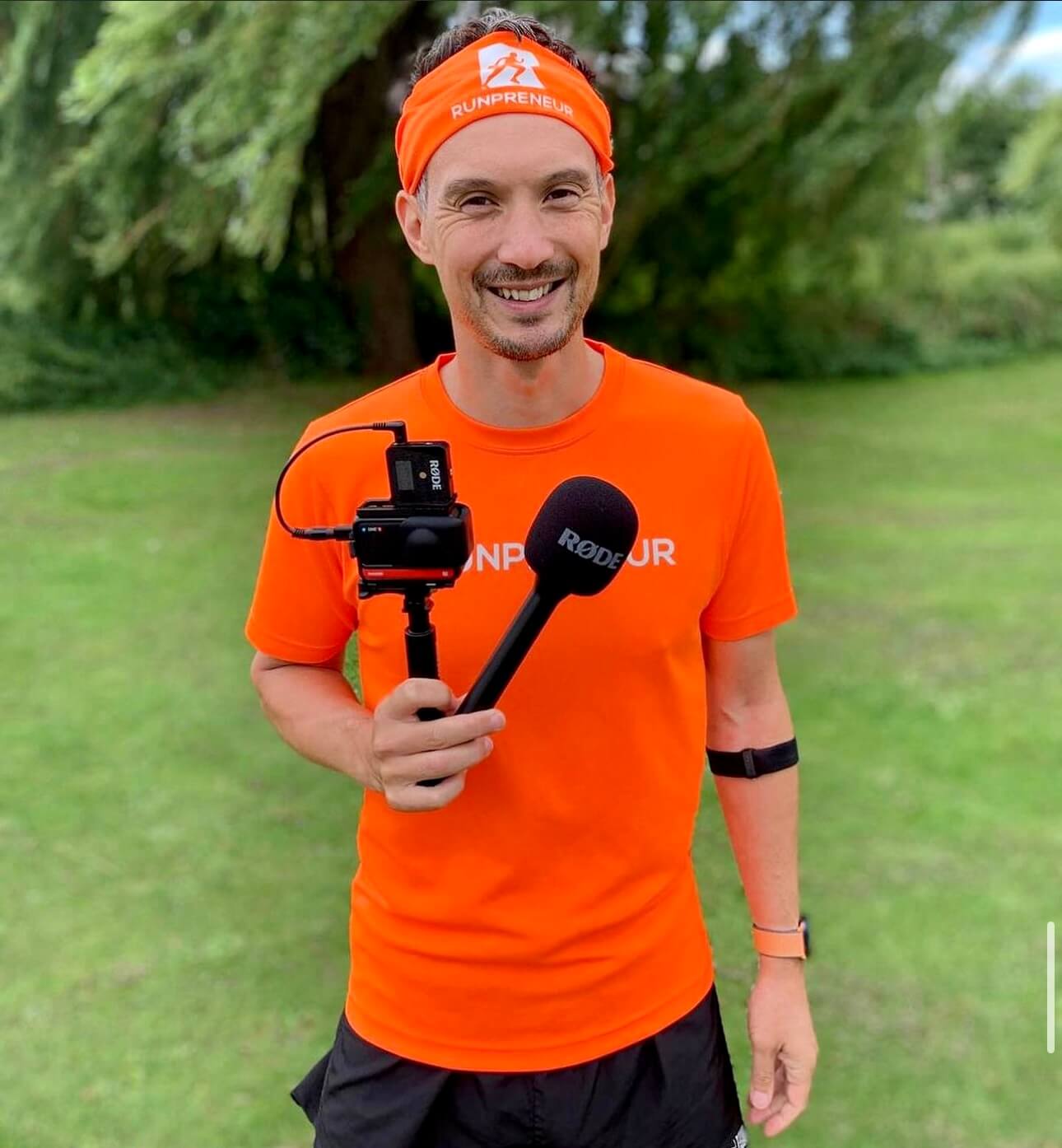
Kevin's 40,075km Challenge: Raising £1 Million for Children
Meet Kevin, a dedicated Runpreneur who embarked on an extraordinary journey to raise £1 million for children in need. Over the course of his 40,075km challenge, Kevin's unwavering determination and passion inspired thousands to join the Runpreneur movement.
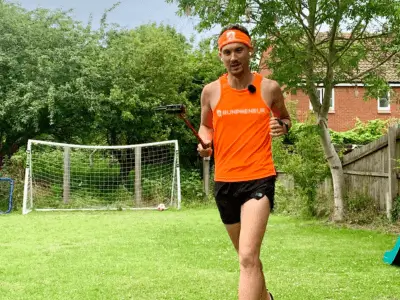
Runpreneur Vlogging: Capturing Kevin's Journey
Experience the Runpreneur challenge through the lens of Kevin's video diary. Witness his ups and downs, the camaraderie of the community, and the transformative power of running for a cause. Dive into the visual stories that capture the essence of the Runpreneur movement.

Empowering Children, One Step at a Time
As Kevin logged every kilometre of his 40,075km challenge, the true purpose behind his journey came into focus. Each step, each bead of sweat, fuelled essential healthcare, education, and nutrition programs for children in need around the world.
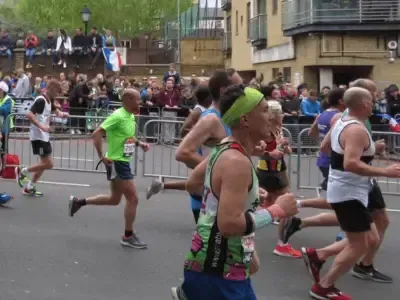
The Transformative 4x4x48 Challenge
Experience the thrill and personal growth of our iconic 48-hour running event. Witness the determination and resilience of Runpreneurs as they push their limits, one mile at a time.
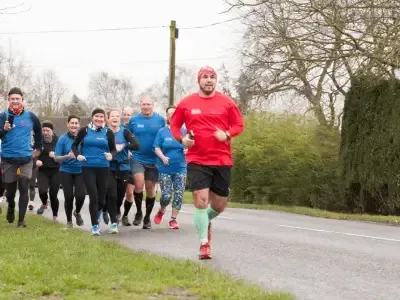
Runpreneur Vlogging: Capturing the Journey
Dive into the visual stories of our Runpreneurs as they document their experiences through engaging video logs. Witness the challenges, triumphs, and moments of camaraderie that define the Runpreneur spirit.
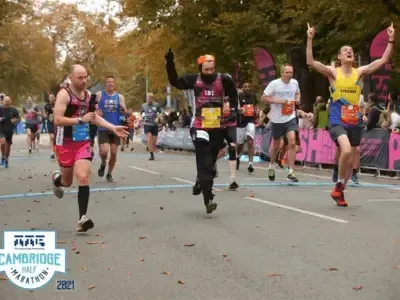
Becoming a Runpreneur: Join the Movement
Learn how you can become a Runpreneur and be part of this global community. Discover the steps to sign up, complete the challenge, and share your journey, all while making a lasting difference.
Connect With Us:



















I am on a mission to raise £1,000,000 for children's causes by daily run-vlogging barefoot-style, covering the total distance of a lap around the world—40,075 km.