
Runpreneur Journey Blog
Embark on an extraordinary journey with the Runpreneur community. Discover inspiring stories, insider tips, and the transformative power of our global challenge. From first-time runners to seasoned athletes, our blog captures the essence of the Runpreneur movement, inspiring others to join the cause.
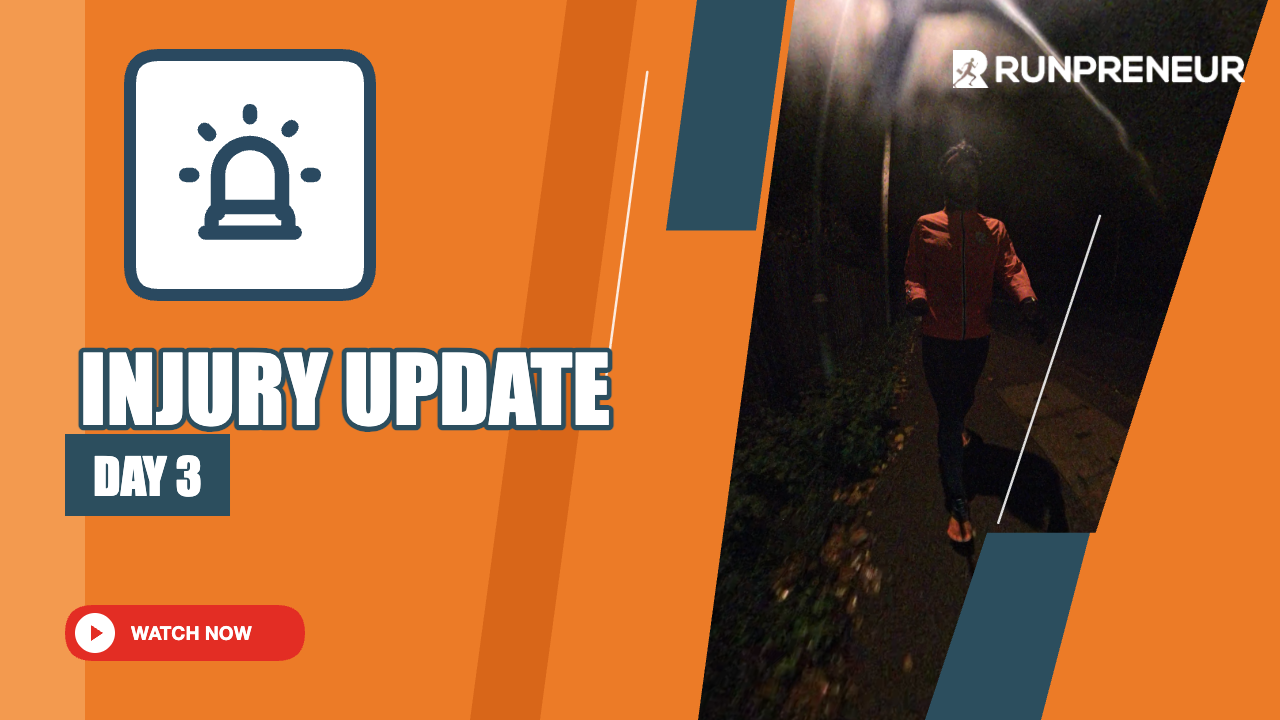
Day 1990: Medical Clearance and the Mental Rollercoaster of Streak Running Recovery
Day 1990: Medical Clearance and the Mental Rollercoaster of Streak Running Recovery
Today I received the words every streak runner fears they might never hear: "You're good to continue your streak."
After three days of uncertainty, pain, and genuine fear that my 1990-day barefoot running streak might end, the minor injuries clinic gave me medical clearance to keep moving forward. The relief was overwhelming, but the journey to this moment taught me lessons about resilience I hadn't expected.
The injury appeared from nowhere. No twisted ankle, no obvious trauma to my right foot. Just a gradual build-up of pain that became impossible to ignore. For someone who has run 19,900 kilometres over 1990 consecutive days, heading toward the ultimate goal of 40,075km (a lap of the world), this type of mystery injury is terrifying because you can't point to a cause or predict the cure.
Saturday evening, I completed what I can only describe as a 5km limp-jog-shuffle. The pain was horrendous, but I got it done. Sunday evening, the same again. Each morning, I photographed my feet, comparing the images and sending updates to my podiatrist. My wife mentioned our son needed teeth removed for his orthodontic treatment, which put my own discomfort into perspective immediately.
The waiting was the hardest part. I arrived at the minor injuries clinic at 1pm and wasn't seen until 4pm. Three hours of sitting there, knowing that the specialist's opinion could either validate my commitment to continue or force me to make the most difficult decision of this entire mission. If they had told me that continuing would cause long-term damage, I would have had to listen. The streak matters, but not more than my long-term health.
When the nurse finally examined my feet, she commented on their incredible condition considering the daily punishment they endure. That observation reinforced something I've believed throughout this journey: consistency builds resilience, both physical and mental. My feet have adapted to this daily routine because they've never been given the option to decondidate.
The prescription was simple but not easy: anti-inflammatory medication to control the swelling, 5km runs instead of my usual 7.5km, and a pace that's essentially walking speed performed in a jogging motion. It's humbling to run at what feels like a crawl, but it's still running. The streak continues.
This experience highlighted the importance of having specialists in your support network. Every eight weeks I see a sports physiotherapist for maintenance, and now I'll add a podiatrist appointment every twelve weeks. Prevention is better than cure, especially when you're attempting something as demanding as running the equivalent distance of a lap around the world.
The emotional ups and downs of these three days were exhausting. One moment I was catastrophising about the end of everything I've worked toward, the next I was cautiously optimistic about recovery. What struck me most was how quickly fear can creep in when something threatens a long-term commitment. The streak isn't just about the physical act of running anymore; it's become intertwined with my identity and my mission to raise £1M for children's causes.
My son's dental procedure this morning provided perfect perspective. He was genuinely nervous about having two teeth removed, yet he faced it with courage because it was necessary for his long-term oral health. Sometimes we have to endure short-term discomfort for long-term benefit. His bravery reminded me that my own challenges, while significant to me, are manageable when approached with the right mindset.
The rehabilitation runs I'm doing now aren't glamorous. They're slow, cautious, and require constant attention to how my foot feels. But they're teaching me something valuable about the difference between consistency and intensity. I've always believed that showing up matters more than performing perfectly, and this injury has reinforced that principle in the most direct way possible.
What I'm learning is that setbacks don't have to mean endings. They can be opportunities to reassess, adapt, and find new ways to move forward. The goal remains the same: complete 40,075km while raising £1M for Great Ormond Street Hospital and BBC Children in Need. The method might need to evolve, but the mission continues.
These rehabilitation runs are also teaching me patience in a way that regular training never could. When you're forced to slow down, you notice things you might otherwise miss. The rhythm of your breathing, the way your feet connect with the ground, the subtle changes in your body's response to movement. It's mindful running in its purest form.
I'll continue sharing these recovery updates because I know other runners face similar challenges. Injury is part of the territory when you commit to something as demanding as daily running, but it doesn't have to be the end of the story. Sometimes the greatest victories come not from running faster or further, but from finding ways to keep moving when everything in you wants to stop.
Tomorrow will be day 1991. Another 5km at walking pace, another step closer to full recovery, another day closer to completing this lap of the world. The streak continues, and so does the mission.
Kevin's 40,075km Challenge: Raising £1 Million for Children
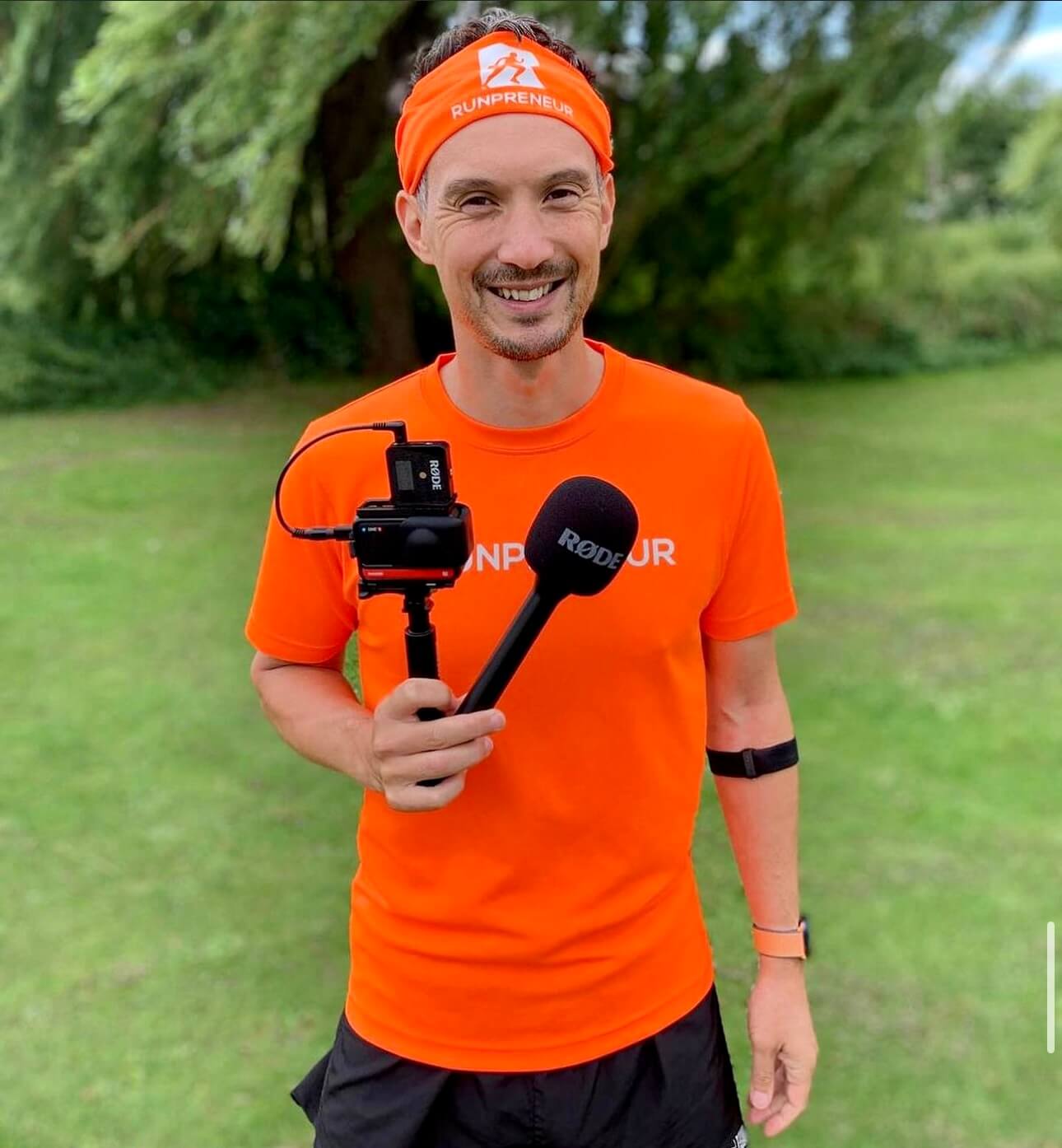
Meet Kevin, a dedicated Runpreneur who embarked on an extraordinary journey to raise £1 million for children in need. Over the course of his 40,075km challenge, Kevin's unwavering determination and passion inspired thousands to join the Runpreneur movement.
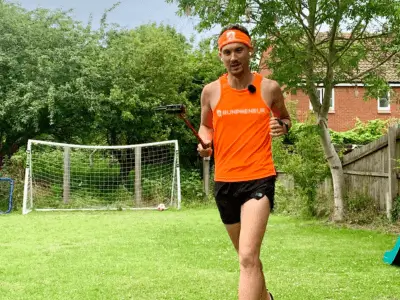
Runpreneur Vlogging: Capturing Kevin's Journey
Experience the Runpreneur challenge through the lens of Kevin's video diary. Witness his ups and downs, the camaraderie of the community, and the transformative power of running for a cause. Dive into the visual stories that capture the essence of the Runpreneur movement.

Empowering Children, One Step at a Time
As Kevin logged every kilometre of his 40,075km challenge, the true purpose behind his journey came into focus. Each step, each bead of sweat, fuelled essential healthcare, education, and nutrition programs for children in need around the world.
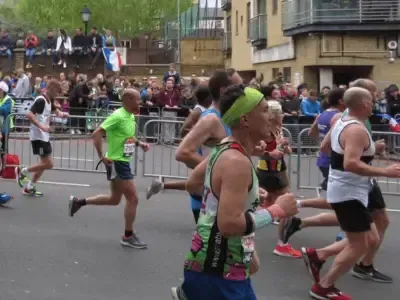
The Transformative 4x4x48 Challenge
Experience the thrill and personal growth of our iconic 48-hour running event. Witness the determination and resilience of Runpreneurs as they push their limits, one mile at a time.
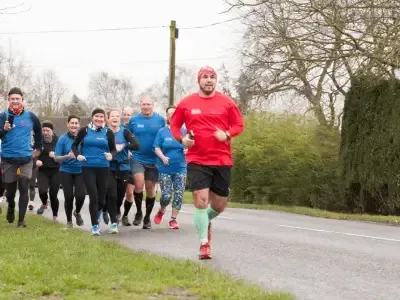
Runpreneur Vlogging: Capturing the Journey
Dive into the visual stories of our Runpreneurs as they document their experiences through engaging video logs. Witness the challenges, triumphs, and moments of camaraderie that define the Runpreneur spirit.
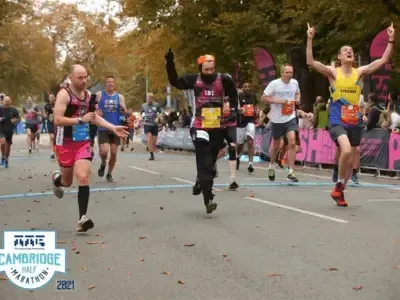
Becoming a Runpreneur: Join the Movement
Learn how you can become a Runpreneur and be part of this global community. Discover the steps to sign up, complete the challenge, and share your journey, all while making a lasting difference.
Connect With Us:



















I am on a mission to raise £1,000,000 for children's causes by daily run-vlogging barefoot-style, covering the total distance of a lap around the world—40,075 km.