
Runpreneur Journey Blog
Embark on an extraordinary journey with the Runpreneur community. Discover inspiring stories, insider tips, and the transformative power of our global challenge. From first-time runners to seasoned athletes, our blog captures the essence of the Runpreneur movement, inspiring others to join the cause.
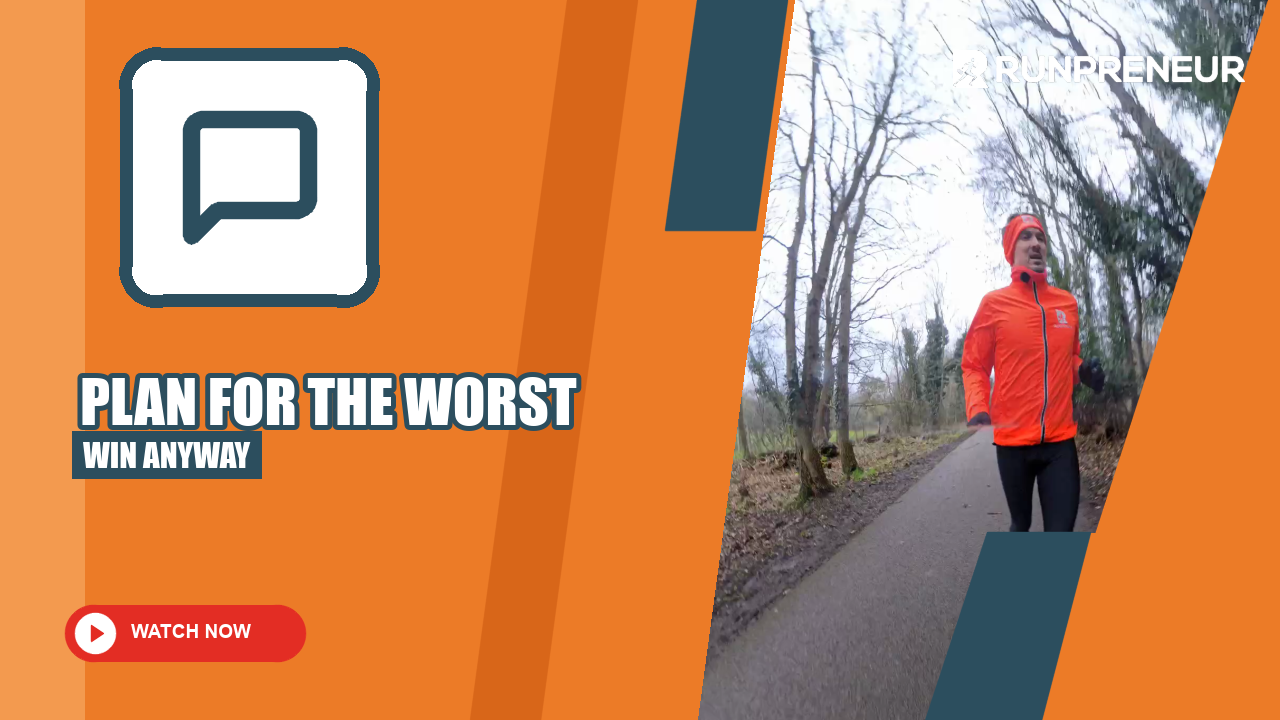
Contingency Forecasting for Business Owners: Budget for What Goes Wrong
Contingency forecasting is one of the disciplines I rely on most in my property business, and it is one of the most consistently absent practices in the business plans I have seen over twenty years. Day 2063. 15,946km covered in barefoot-style Vibram FiveFingers. 24,129km still ahead as part of a 40,075km mission to raise £1 million for children's causes. I started this streak because I believe in what consistent daily action produces. Not optimism. Not wishful thinking. Honest, grounded planning for what the road ahead actually holds.
The same principle belongs in every business.
Resilience is a double-edged thing.
Spend long enough in business and you develop a high tolerance for setbacks. You get knocked down, you get back up, you solve the problem and keep moving. This becomes part of your identity. You are quietly proud of it, and rightly so, because most people do not last long enough to earn those battle scars.
But here is where it becomes dangerous. The same resilience, the same "we will find a way through" mindset, starts to colour the numbers. It bleeds into financial projections. You stop forecasting reality and start forecasting a version of events where your resilience wins every time. Ninety per cent of businesses fail. A significant portion of those failures trace back to cash flow problems that were, in some part, predictable. Not the specific event, but the category of event. Things go wrong. Costs spike. Tenants stop paying. Seasonal income drops off. None of this is pessimism. It is pattern recognition.
Contingency forecasting is the discipline of budgeting for what goes wrong before it goes wrong.
I have been in property for roughly twenty years. I have managed my own portfolio, worked with letting agents, and tried different strategies across different asset types. One pattern I see consistently, even among experienced investors, is cash flow forecasts built entirely around things going right. They reflect best case. They do not reflect the reality of running a real portfolio through a full cycle.
Here is how I approach it, and the logic transfers to almost any business.
The first area is maintenance. If you own property, something will break, wear out, or need replacing. I budget 10% of rental income specifically for maintenance as a committed forecast allocation. Not a vague plan to handle costs as they arrive. A named line in the projection. When a boiler fails or a roof needs attention, it is already in the numbers. It does not shock the cash flow.
The second area is the difference between voids and cash flow voids. These are not the same and the distinction matters. A void is a property unit sitting empty. A cash flow void is a unit with a tenant in occupation but no payments coming in. Arrears, financial difficulty, a dispute. The property is occupied but nothing is moving financially. Both hit the forecast differently, but both need a budget. I allocate 3% of rental income for cash flow voids. This covers the lag while issues are resolved, whether through a repayment plan, a legal process, or a managed exit.
The third area, one many people overlook entirely, is seasonal revenue fluctuation. This is particularly relevant in serviced accommodation and short-term lets. High-season figures look strong. People build annual plans around those numbers. Then the low season arrives and the projections look wildly disconnected from reality. The stronger approach is to build a specific contingency allocation for the off-season directly into the annual forecast. Assume the dip. Quantify it. Work the plan backwards from it.
All three areas sit inside a broader principle. The better your forecast, the more variability it builds in.
Most forecasts model one scenario. Things stay roughly as they are today. This is a starting point, not a finished forecast. The finished version includes a contingency layer asking what happens when costs run above projection, when voids run higher than expected, when seasonal revenue falls short. If you remain profitable and operationally stable at contingency level, you are in a genuinely strong position.
If you are only profitable under the optimistic scenario, you are running closer to the edge than your numbers suggest.
The goal is a forecast where the worst case is still workable. Best case, you land at your actual projection. Worst case, you land at contingency. Reality almost always lands somewhere in between. Knowing both numbers means you operate from clarity, not from hope.
This is not pessimism. It is precision. The resilient entrepreneur who refuses to factor in downside risk is not being positive. They are being imprecise. And imprecision is expensive.
I am 15,946km into a 40,075km running mission. Every single consecutive day in barefoot-style shoes. The fundraising goal is £1 million for children's causes, including Great Ormond Street Hospital and BBC Children in Need. 24,129km still to run. I plan for the difficult days because they are coming, and the plan is what gets the run done regardless.
Contingency is not a concession to failure. It is the architecture of long-term stability.
Build two forecasts. The actual, reflecting where things stand today. The contingency, accounting for the predictable unpredictability of running a real operation. When the contingency forecast still puts you in the black, you are in a position of genuine strength.
Most business owners never build the second forecast. Build it.
Watch the full episode: https://youtu.be/twWBnBWZp4g
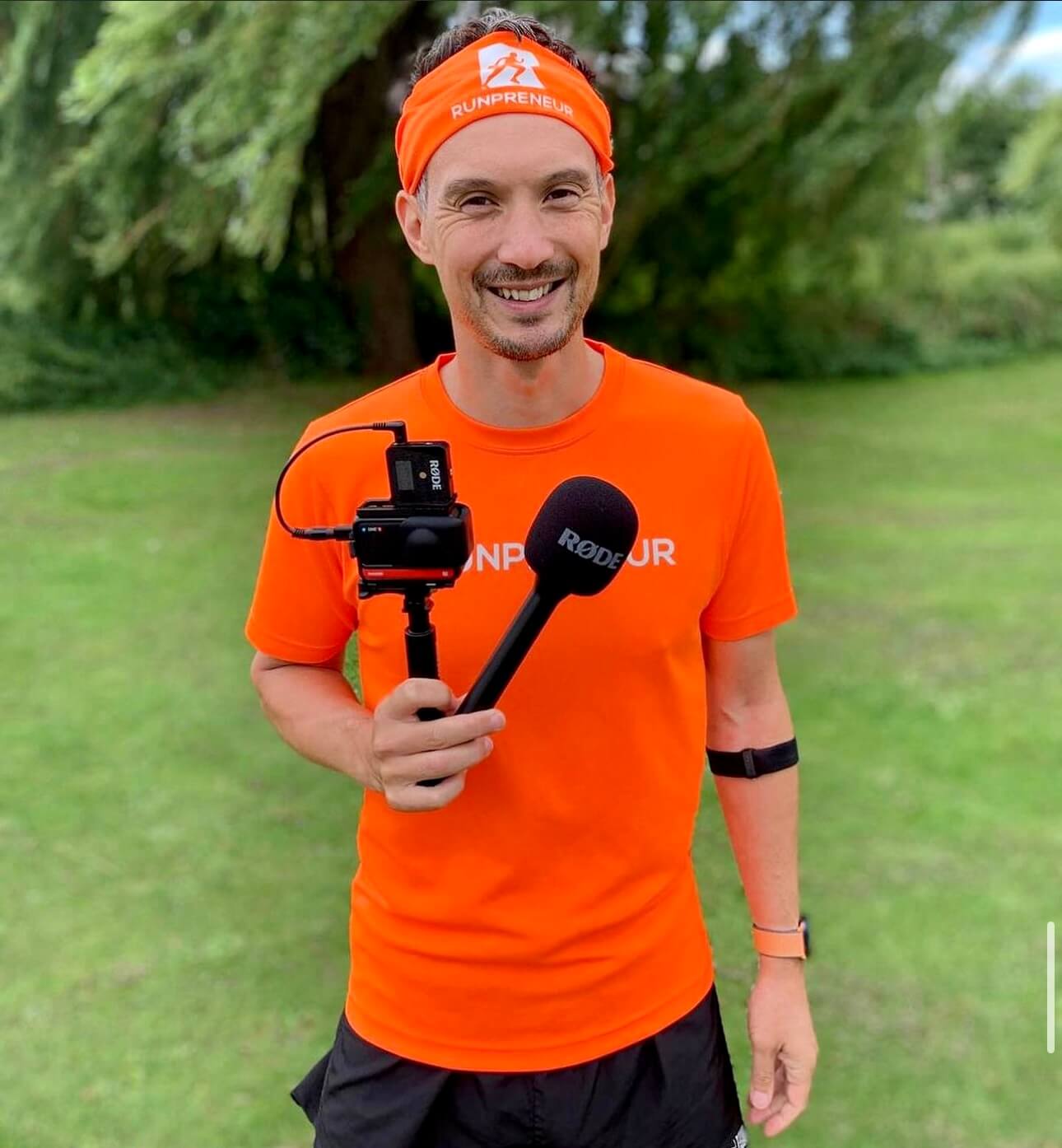

Kevin's 40,075km Challenge: Raising £1 Million for Children
Meet Kevin, a dedicated Runpreneur who embarked on an extraordinary journey to raise £1 million for children in need. Over the course of his 40,075km challenge, Kevin's unwavering determination and passion inspired thousands to join the Runpreneur movement.

Runpreneur Vlogging: Capturing Kevin's Journey
Experience the Runpreneur challenge through the lens of Kevin's video diary. Witness his ups and downs, the camaraderie of the community, and the transformative power of running for a cause. Dive into the visual stories that capture the essence of the Runpreneur movement.

Empowering Children, One Step at a Time
As Kevin logged every kilometre of his 40,075km challenge, the true purpose behind his journey came into focus. Each step, each bead of sweat, fuelled essential healthcare, education, and nutrition programs for children in need around the world.

The Transformative 4x4x48 Challenge
Experience the thrill and personal growth of our iconic 48-hour running event. Witness the determination and resilience of Runpreneurs as they push their limits, one mile at a time.
Runpreneur Vlogging: Capturing the Journey
Dive into the visual stories of our Runpreneurs as they document their experiences through engaging video logs. Witness the challenges, triumphs, and moments of camaraderie that define the Runpreneur spirit.

Becoming a Runpreneur: Join the Movement
Learn how you can become a Runpreneur and be part of this global community. Discover the steps to sign up, complete the challenge, and share your journey, all while making a lasting difference.
Connect With Us:



















I am on a mission to raise £1,000,000 for children's causes by daily run-vlogging barefoot-style, covering the total distance of a lap around the world—40,075 km.