
Runpreneur Journey Blog
Embark on an extraordinary journey with the Runpreneur community. Discover inspiring stories, insider tips, and the transformative power of our global challenge. From first-time runners to seasoned athletes, our blog captures the essence of the Runpreneur movement, inspiring others to join the cause.
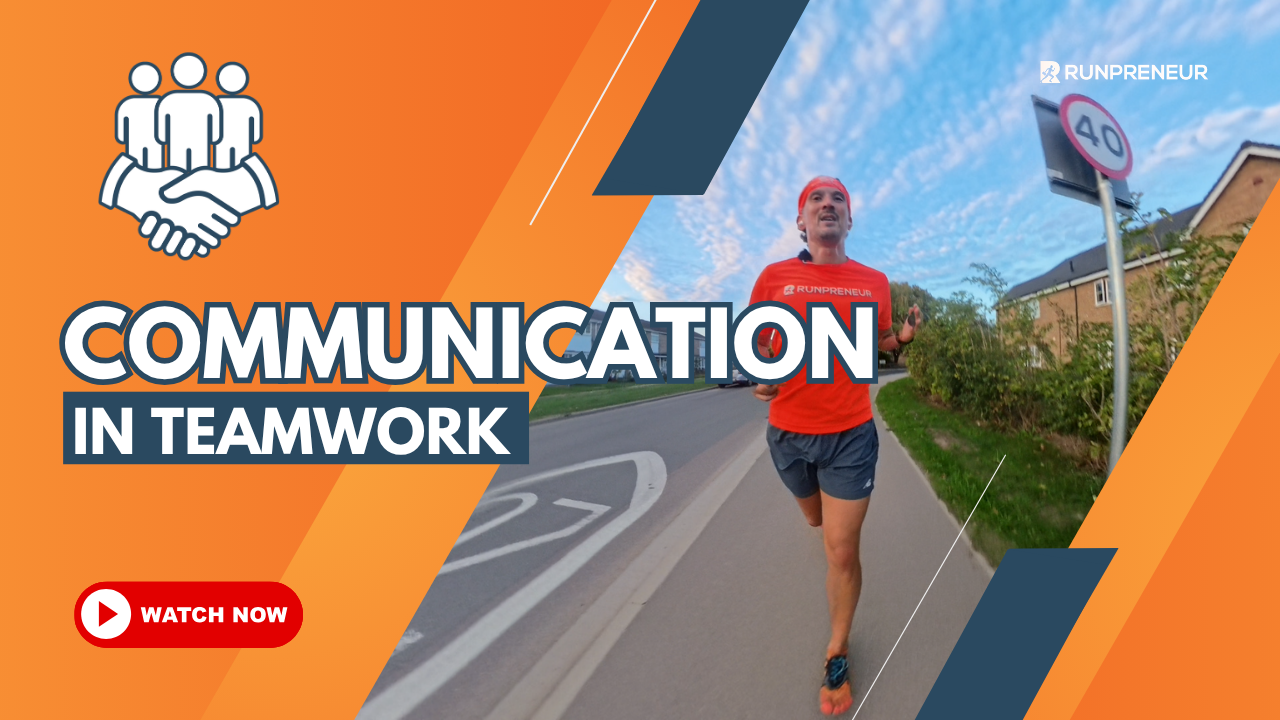
The Silent Killer of Performance: Why Communication is the Ultimate Preventative Cure
The Silent Killer of Performance: Why Communication is the Ultimate Preventative Cure
Today marks 1,945 consecutive days. I am out here, as I am every single day, barefoot-style, pushing toward a total distance of 40,075km, a full lap of the world. This mission isn't just about the miles; it’s about raising £1M to save children’s lives. But as I run, I reflect, and today my reflections turned toward a fundamental flaw I see in teams everywhere: the sound of silence.
I’ve been involved with my children’s football teams for a decade now. Specifically, with the Under-15 boys, I’ve watched them grow from small children into man-sized athletes. They have the talent. They have the drive. But they are currently hitting a ceiling because they lack a fundamental system: effective communication.
The Illusion of the "Individual Error"
In our last few matches, we’ve conceded ten goals. On paper, you could point to a goalkeeper spilling a ball or a defender missing a tackle. It is incredibly easy to isolate those moments and blame the individual. However, when I stepped back to run the line today, I saw the root cause.
The team is essentially mute on the pitch.
When a team is silent, individuals become isolated. If a midfielder loses his man and no one yells to alert him, he remains out of position. By the time the ball reaches the box and the goalkeeper makes a "mistake," the real failure has already happened 30 yards up the field. The silence allowed the attack to develop.
Preventative vs. Reactive Leadership
In my business, Digital Operations Director, we focus on building operating systems that eliminate inefficiency. We don’t just look at the error; we look at the system that allowed it to occur.
The same logic applies to any team:
The Goalkeeper must talk because he sees what the defenders cannot.
The Defenders must talk to the midfielders to pick up players on the blind side.
The Midfielders must signal the attackers when the team needs defensive support.
If this communication flows, you don’t have to rely on "heroic" individual saves. You prevent the crisis before it starts.
The Lesson for Entrepreneurs
As 14 and 15-year-old boys, they are often too focused on the "fun" or the immediate action to maintain the concentration required for constant communication. But for those of us in business, the stakes are different. If your team isn't talking, you aren't running a lean, high-efficiency operation; you’re running a group of individuals waiting for the next preventable disaster.
Don’t focus on the "spilled ball." Focus on the silence that preceded it.
Stay positive. Stay happy.
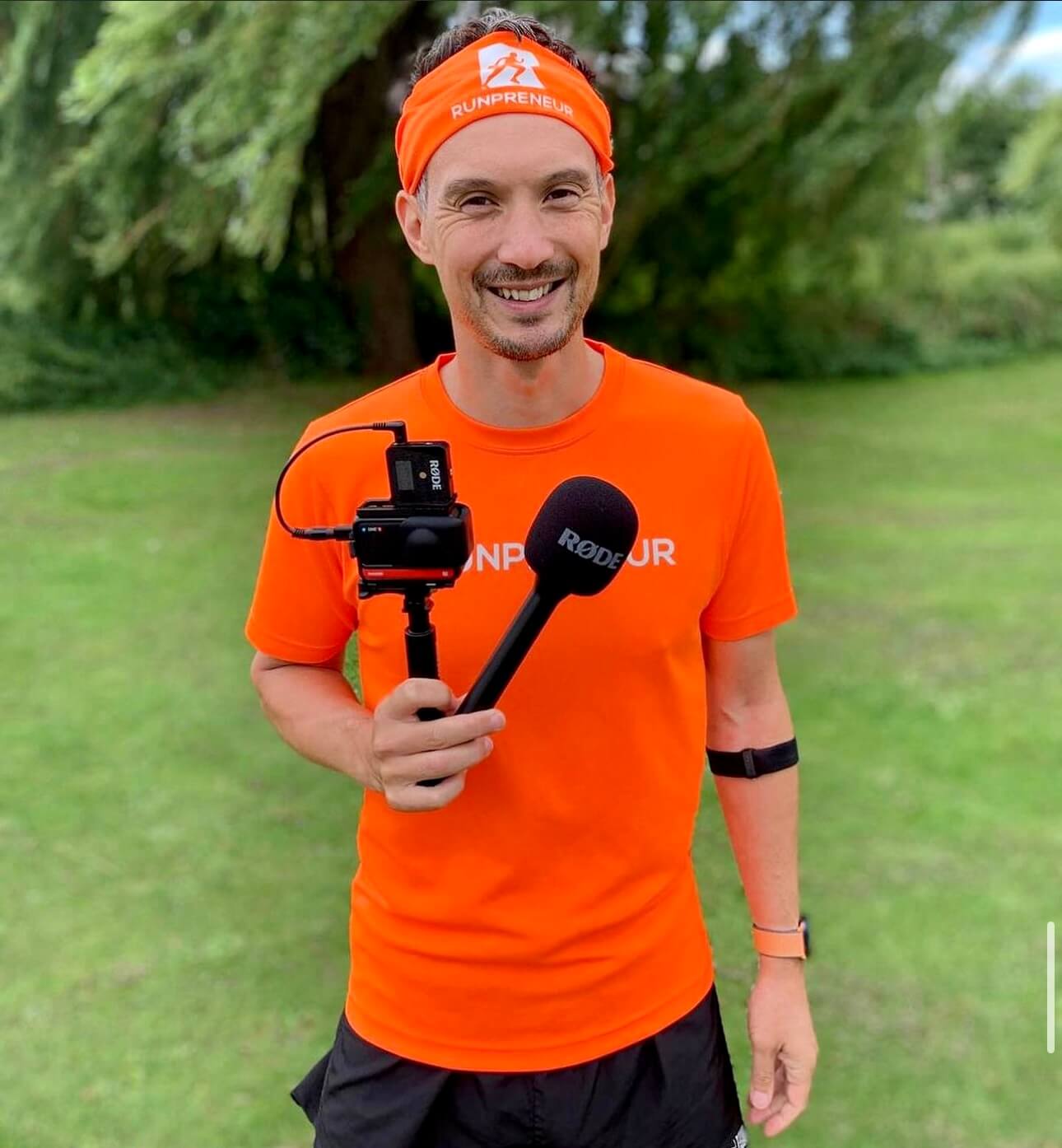
Kevin's 40,075km Challenge: Raising £1 Million for Children
Meet Kevin, a dedicated Runpreneur who embarked on an extraordinary journey to raise £1 million for children in need. Over the course of his 40,075km challenge, Kevin's unwavering determination and passion inspired thousands to join the Runpreneur movement.
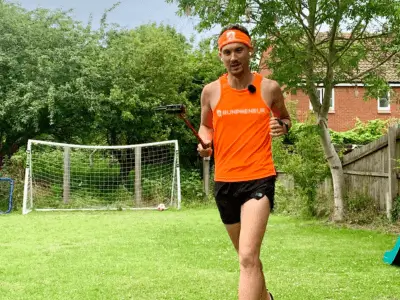
Runpreneur Vlogging: Capturing Kevin's Journey
Experience the Runpreneur challenge through the lens of Kevin's video diary. Witness his ups and downs, the camaraderie of the community, and the transformative power of running for a cause. Dive into the visual stories that capture the essence of the Runpreneur movement.

Empowering Children, One Step at a Time
As Kevin logged every kilometre of his 40,075km challenge, the true purpose behind his journey came into focus. Each step, each bead of sweat, fuelled essential healthcare, education, and nutrition programs for children in need around the world.
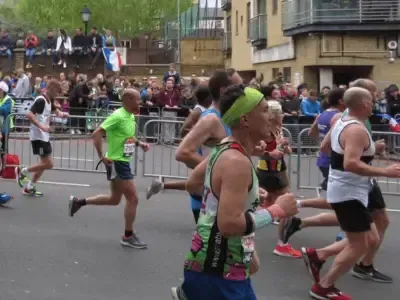
The Transformative 4x4x48 Challenge
Experience the thrill and personal growth of our iconic 48-hour running event. Witness the determination and resilience of Runpreneurs as they push their limits, one mile at a time.
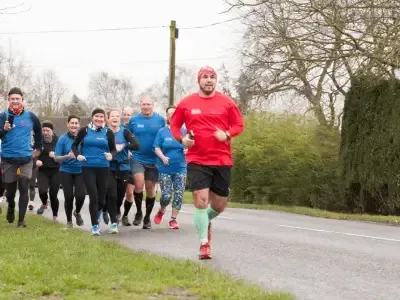
Runpreneur Vlogging: Capturing the Journey
Dive into the visual stories of our Runpreneurs as they document their experiences through engaging video logs. Witness the challenges, triumphs, and moments of camaraderie that define the Runpreneur spirit.
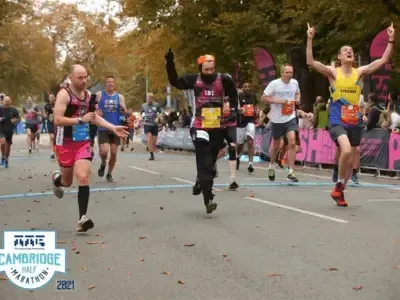
Becoming a Runpreneur: Join the Movement
Learn how you can become a Runpreneur and be part of this global community. Discover the steps to sign up, complete the challenge, and share your journey, all while making a lasting difference.
Connect With Us:



















I am on a mission to raise £1,000,000 for children's causes by daily run-vlogging barefoot-style, covering the total distance of a lap around the world—40,075 km.