
Runpreneur Journey Blog
Embark on an extraordinary journey with the Runpreneur community. Discover inspiring stories, insider tips, and the transformative power of our global challenge. From first-time runners to seasoned athletes, our blog captures the essence of the Runpreneur movement, inspiring others to join the cause.
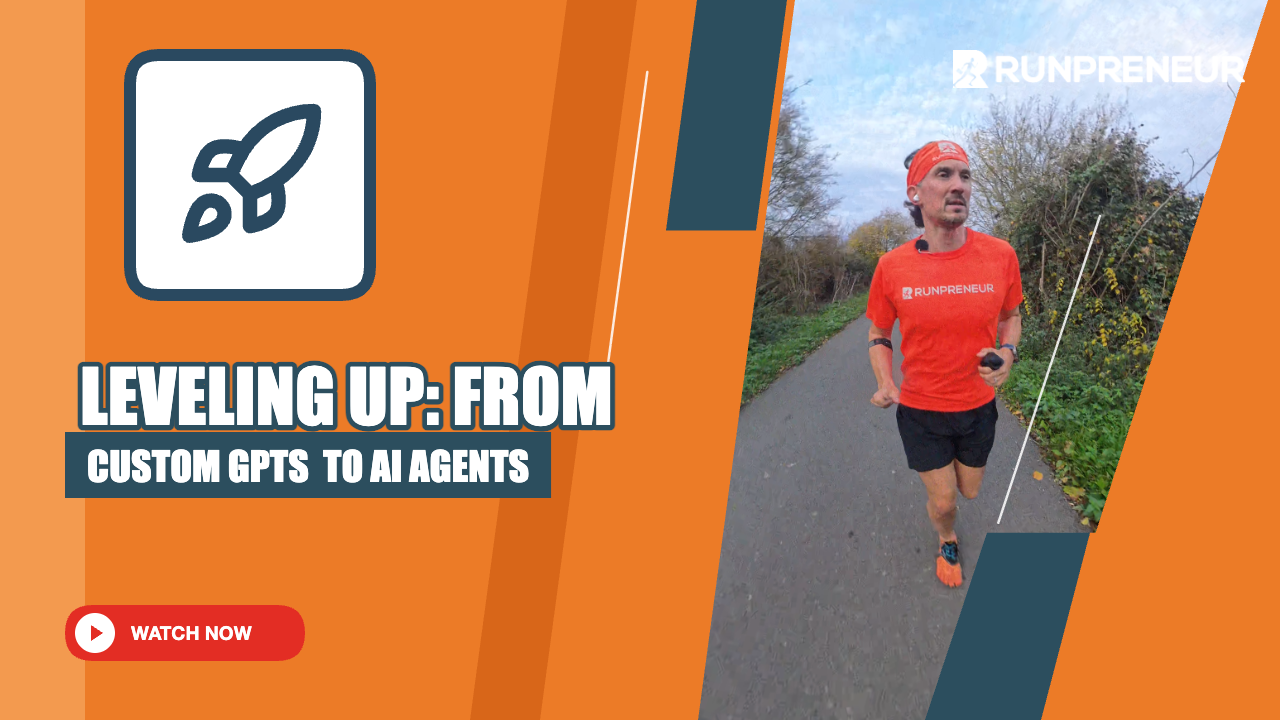
Building AI Systems That Work: Lessons From Day 1,984 of My Running Streak
Building AI Systems That Work: Lessons From Day 1,984 of My Running Streak
Today was day 1,984 of my barefoot running streak, and as I covered another 10km through the streets, my mind was processing something that's been consuming my thoughts lately: the evolution from basic AI tools to actual AI agents that work alongside my team.
I'm 19,840km into this journey towards 40,075km - a lap of the world - and what strikes me most about both this mission and building AI systems is the importance of gradual, sustainable progress. You don't wake up one morning and suddenly run ultramarathons, just like you don't build sophisticated AI agents overnight.
The parallel became clear to me as I reflected on how I've approached AI implementation over the past year. I started with simple ChatGPT queries - the equivalent of those first tentative runs when I began this streak. Basic questions, basic answers. Nothing revolutionary, but it built familiarity and confidence.
Then I moved to what I call "conversational AI" - having deeper, more contextual discussions with the technology. This mirrors how my running evolved from short, careful distances to longer, more challenging routes. You build capacity gradually.
The real breakthrough came when I started creating custom GPTs. These aren't just chatbots; they're specialised tools trained on specific datasets from my business operations. I've built five so far, each serving a distinct purpose.
My Runpreneur GPT contains transcriptions from every video I've recorded. When my team publishes content on my behalf, they run it through this system to maintain my tone of voice. It's remarkably accurate - something that's historically been one of the hardest things to delegate consistently.
The Boardroom Mentor GPT fascinates me most. I've fed it comprehensive documentation from business leaders I respect, creating an AI advisor I can consult when making difficult decisions. It doesn't replace human insight, but it provides another perspective for stress-testing my thinking.
Then there's my Knowledge Base GPT - essentially every standard operating procedure from every business I've ever run, all accessible through simple questions. Instead of hunting through folders or trying to remember which Loom video contains specific processes, I can ask direct questions and get immediate answers.
My Meetings GPT serves as an institutional memory. Every internal meeting transcript goes in, creating a searchable database of decisions, discussions, and commitments. No more "I'm sure we discussed this, but I can't remember when" moments.
The Airtable GPT represents something more advanced - actual integration between AI and our core business systems. While Airtable has built-in AI, I've found ChatGPT superior for analytical conversations and perspective-driven queries.
What excites me most is the next evolution: converting these GPTs into actual AI agents that execute tasks autonomously. Imagine an Executive Assistant GPT that can triage emails, assign tasks, and update our project management system following established protocols. We're not quite there yet, but the foundation is being built.
The lesson for me was about progression and patience. Just like this running streak, effective AI implementation isn't about dramatic leaps - it's about consistent, incremental improvement. I'm ahead of many people in AI adoption, but behind many others. The key is progressing at a pace that allows for proper integration and learning.
I avoid what I call "AI rabbit holes" - those complex projects that consume enormous time without delivering immediate value. Instead, I align AI development with quarterly business objectives, ensuring each implementation serves a real purpose.
The broader insight from today's run is about the compound effect of consistent effort. Every day I lace up my Vibram FiveFingers and head out, I'm not just maintaining a streak - I'm building capacity for the days ahead. The same principle applies to AI capability building. Each custom GPT, each integration, each small automation adds to our overall operational efficiency.
This isn't about replacing human capability; it's about amplifying it. The best AI implementations I've seen enhance human decision-making rather than replace it. My Boardroom Mentor GPT doesn't make decisions for me - it helps me think through them more thoroughly.
As I approach the 20,000km mark with just over 20,000km remaining, I'm reminded that significant achievements come from daily discipline rather than sporadic intensity. The same truth applies to building AI systems that actually work.
Whether you're building AI capabilities or pursuing any long-term goal, the message is clear: start where you are, progress at your own pace, but start now. The gap between those who act and those who don't only widens with time.
Every step forward on this 40,075km journey brings me closer to the £1M target for children's causes. Every AI system we implement makes our operations more efficient, creating more capacity to focus on what matters most - the mission to save children's lives through this ultimate ultramarathon of run vlogging.
The technology is remarkable, but the purpose behind it is what drives consistent action, day after day.
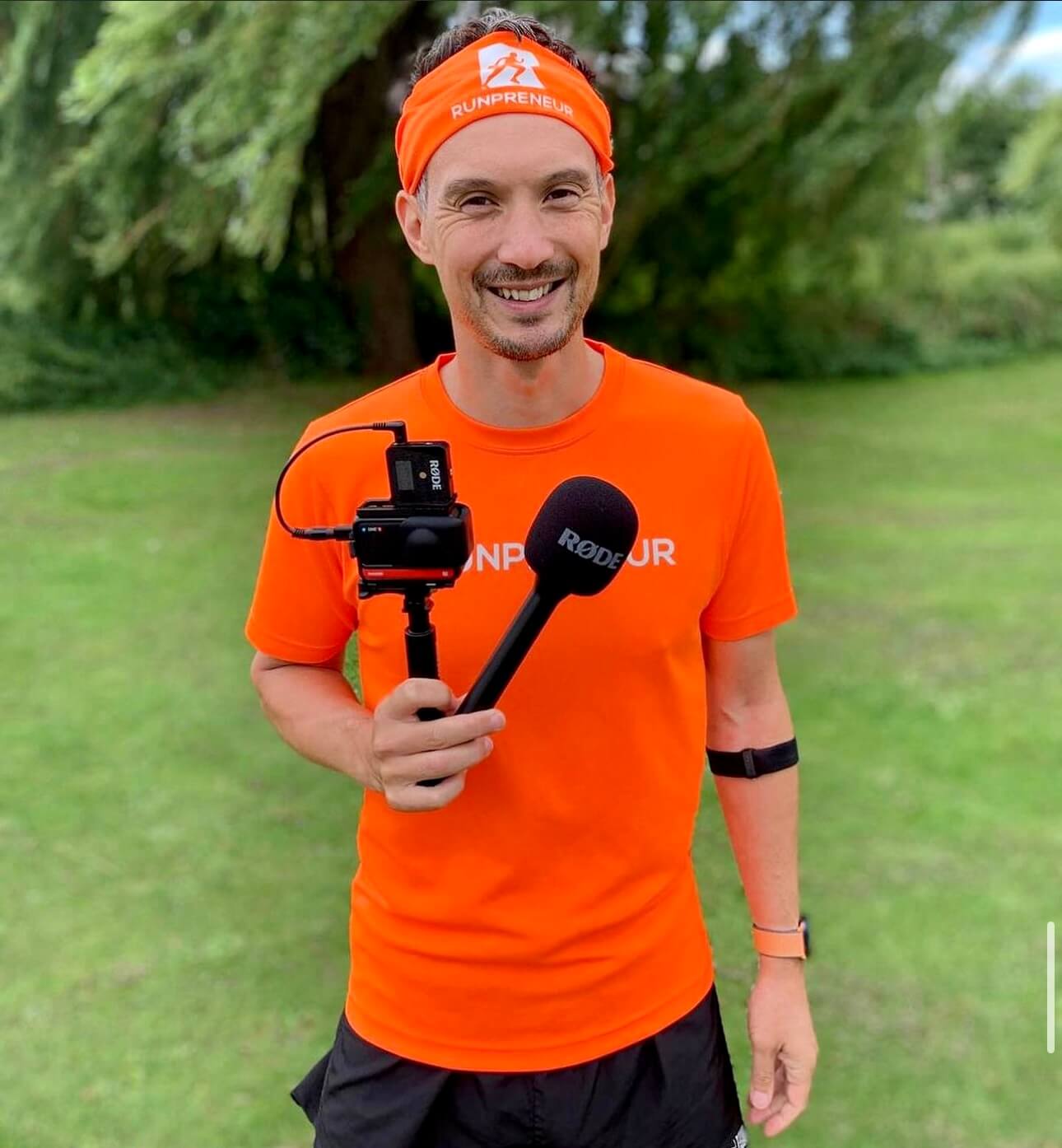
Kevin's 40,075km Challenge: Raising £1 Million for Children
Meet Kevin, a dedicated Runpreneur who embarked on an extraordinary journey to raise £1 million for children in need. Over the course of his 40,075km challenge, Kevin's unwavering determination and passion inspired thousands to join the Runpreneur movement.
Runpreneur Vlogging: Capturing Kevin's Journey
Experience the Runpreneur challenge through the lens of Kevin's video diary. Witness his ups and downs, the camaraderie of the community, and the transformative power of running for a cause. Dive into the visual stories that capture the essence of the Runpreneur movement.

Empowering Children, One Step at a Time
As Kevin logged every kilometre of his 40,075km challenge, the true purpose behind his journey came into focus. Each step, each bead of sweat, fuelled essential healthcare, education, and nutrition programs for children in need around the world.
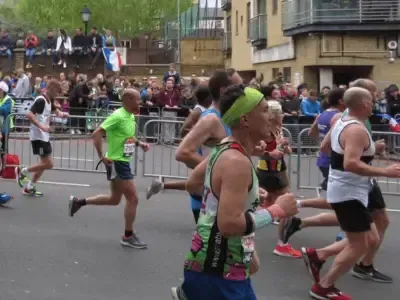
The Transformative 4x4x48 Challenge
Experience the thrill and personal growth of our iconic 48-hour running event. Witness the determination and resilience of Runpreneurs as they push their limits, one mile at a time.
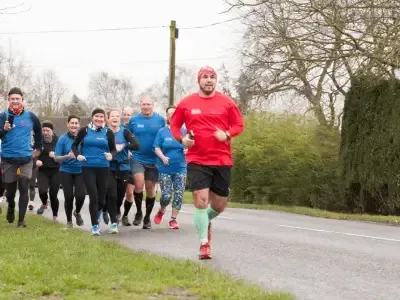
Runpreneur Vlogging: Capturing the Journey
Dive into the visual stories of our Runpreneurs as they document their experiences through engaging video logs. Witness the challenges, triumphs, and moments of camaraderie that define the Runpreneur spirit.
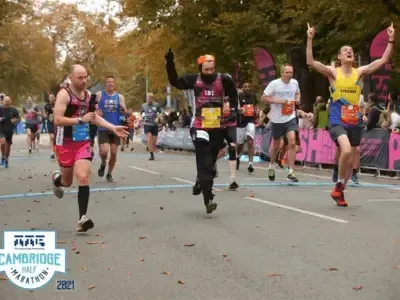
Becoming a Runpreneur: Join the Movement
Learn how you can become a Runpreneur and be part of this global community. Discover the steps to sign up, complete the challenge, and share your journey, all while making a lasting difference.
Connect With Us:



















I am on a mission to raise £1,000,000 for children's causes by daily run-vlogging barefoot-style, covering the total distance of a lap around the world—40,075 km.