
Runpreneur Journey Blog
Embark on an extraordinary journey with the Runpreneur community. Discover inspiring stories, insider tips, and the transformative power of our global challenge. From first-time runners to seasoned athletes, our blog captures the essence of the Runpreneur movement, inspiring others to join the cause.
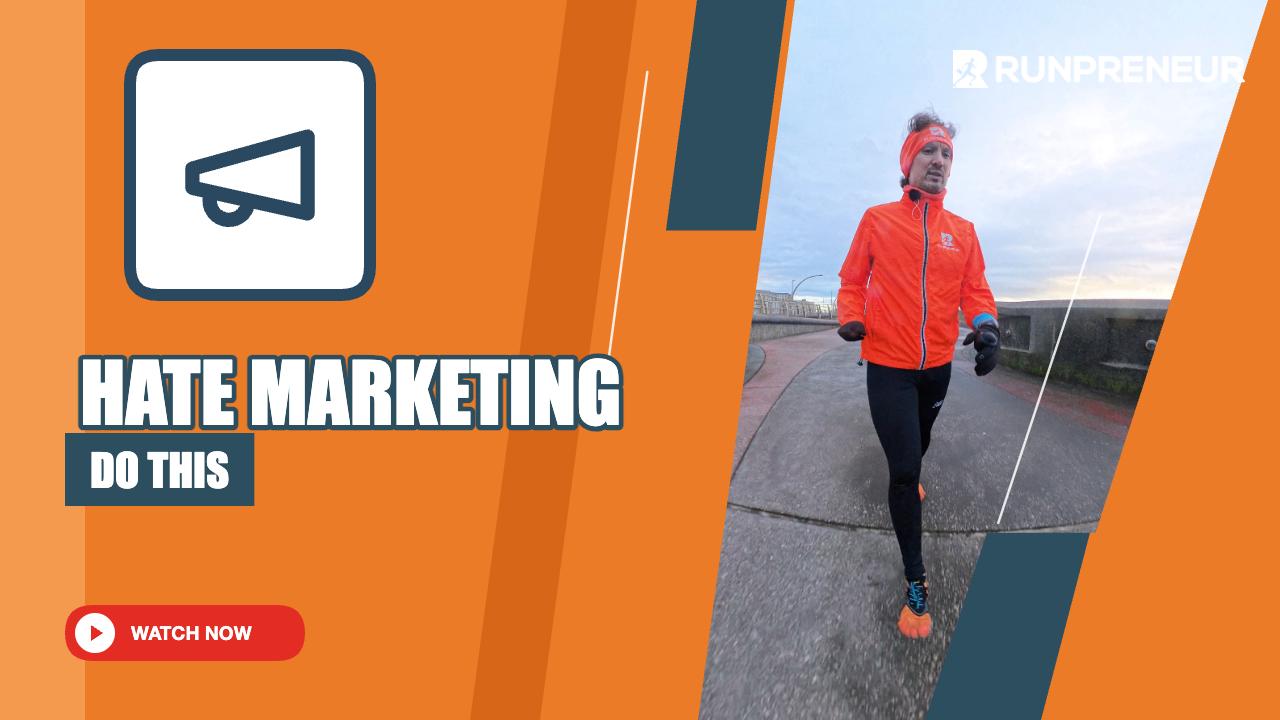
Building a Brand Without Being the Face of It — What to Do When You Hate Marketing But Run a Business
Building a Brand Without Being the Face of It — What to Do When You Hate Marketing But Run a Business
Day 2006. I have now run 20,060km in barefoot-style footwear, on consecutive days, in all weathers, across more than five years of this particular stretch of what is now a 2006-day streak. That is roughly half of the 40,075km I am aiming to cover — a lap of the world on foot — to raise £1 million for children's causes including Great Ormond Street Hospital and BBC Children in Need. Every single day I lace up, or more accurately strap on my Vibram FiveFingers, and I go. No exceptions.
What I talk about on these runs is real. It is what is actually on my mind. And today, what was on my mind was marketing. Specifically, what do you do if you are in business, you genuinely believe in what you are building, but you find the conventional approach to marketing deeply uncomfortable?
Because that is me. Entirely.
I love business. I love the architecture of it — the systems, the processes, the data, the efficiency. I have spent the better part of my working life building and operating businesses from the inside out. Strategy, infrastructure, leadership, onboarding, finance — that is where I am comfortable. Sales and marketing, particularly the kind that requires you to constantly put your face in front of a camera and project an image of yourself as a personal brand, is not where I naturally sit.
I want to be clear: I do not think there is anything wrong with that approach. Some people are genuinely built for it. They are extrovert, engaging, high-energy, and they build large audiences because their personality is the product. That works. It just is not who I am. I am more introverted. More analytical. More interested in the numbers behind the marketing than the performance of it.
So the question I have been sitting with is this: how do you market something you genuinely believe in, without doing it in a way that feels dishonest to who you actually are?
I am in the process of launching version two of my business operating system — Digital Operations Director. It is built around driving efficiency in businesses: reducing costs, streamlining systems, implementing automation and AI, improving profitability. The data behind it is compelling. Businesses statistically lose between 20 and 30 percent of their revenue to inefficiency. That is a significant problem I can help solve. But knowing that, and getting in front of the right people to tell them that, are two entirely different things.
I have been working through a framework that Russell Brunson, founder of ClickFunnels, describes in his work on marketing strategy. He identifies four core pillars: content, partnerships and collaborations, affiliate marketing, and paid advertising — and importantly, he recommends approaching them in that order.
My natural instinct was to skip the content piece entirely. But I cannot. No one can, really. What I can do is change what that content looks like. Instead of producing high-frequency, high-energy video content centred on me as a personality, I am going to produce one well-considered piece of educational content per week. Newsletter format. Genuinely useful. Focused on the business owners who need what I do. I am also building a lead magnet — access to an efficiency dashboard that outlines what I believe to be the 15 most important metrics any business should be tracking. That becomes a way to capture email addresses and begin nurturing the right kind of relationships.
From there, my primary focus is partnerships and collaborations. The Dream 100 approach — identifying 100 potential partners who already have access to my target audience — translated into a very specific strategy for me. Accountants. The businesses I want to work with are SMEs and micro-businesses with six-figure-plus turnovers who are struggling with efficiency, overwhelm, or financial pressure. Those businesses almost certainly have an existing accountant relationship. And the accountant often bears the frustration of dealing with disorganised, inefficient clients. If I can come in and fix that, the accountant wins, the business owner wins, and I get access to a relationship that could open a significant number of doors.
It is not glamorous marketing. It will not generate overnight results. But it is honest, it is methodical, and it suits the way I think and work.
The affiliate piece comes later — once I have clients who have experienced what I do, and once I have accountancy firms who trust what I deliver. They become the people who talk about it on my behalf. That is a slower build, but a more sustainable one.
I am not going to run paid advertising, at least not yet. The business I am building is high-ticket and limited in capacity. I probably have the bandwidth to work with around ten clients at any given time. I do not need thousands of leads. I need the right relationships, with the right people, built the right way. That changes the marketing equation significantly.
What I came back to, standing on the road this morning at whatever time I dragged myself out, is the same lesson that running 2006 consecutive days has taught me about almost everything: consistency over intensity. I did not run 20,060km by being spectacular every day. I ran it by showing up every day. The runs that felt hard, the ones where I questioned what I was doing, the ones where nothing felt right — those days counted just as much as the good ones. Possibly more.
Marketing is going to be the same. One piece of quality content per week, every week, without fail. Ten accountancy outreach contacts per day, consistently. Building relationships gradually, carefully, with integrity. That is the plan.
The broader mission has not changed. Every episode of this series, every kilometre logged, every conversation that reaches someone new, is part of raising £1 million for children who need it. I am at 20,060km. There are 20,015km still to run. The mission is clear. The method is consistent. The pace is whatever it needs to be.
If you are in business and you hate the version of marketing that most people assume is the only version — I want you to know it is not. There are other ways. Slower, perhaps. More methodical. Less visible in the short term. But no less valid.
Find the approach that is honest to who you are. Then do it consistently. That is all any of us can do.
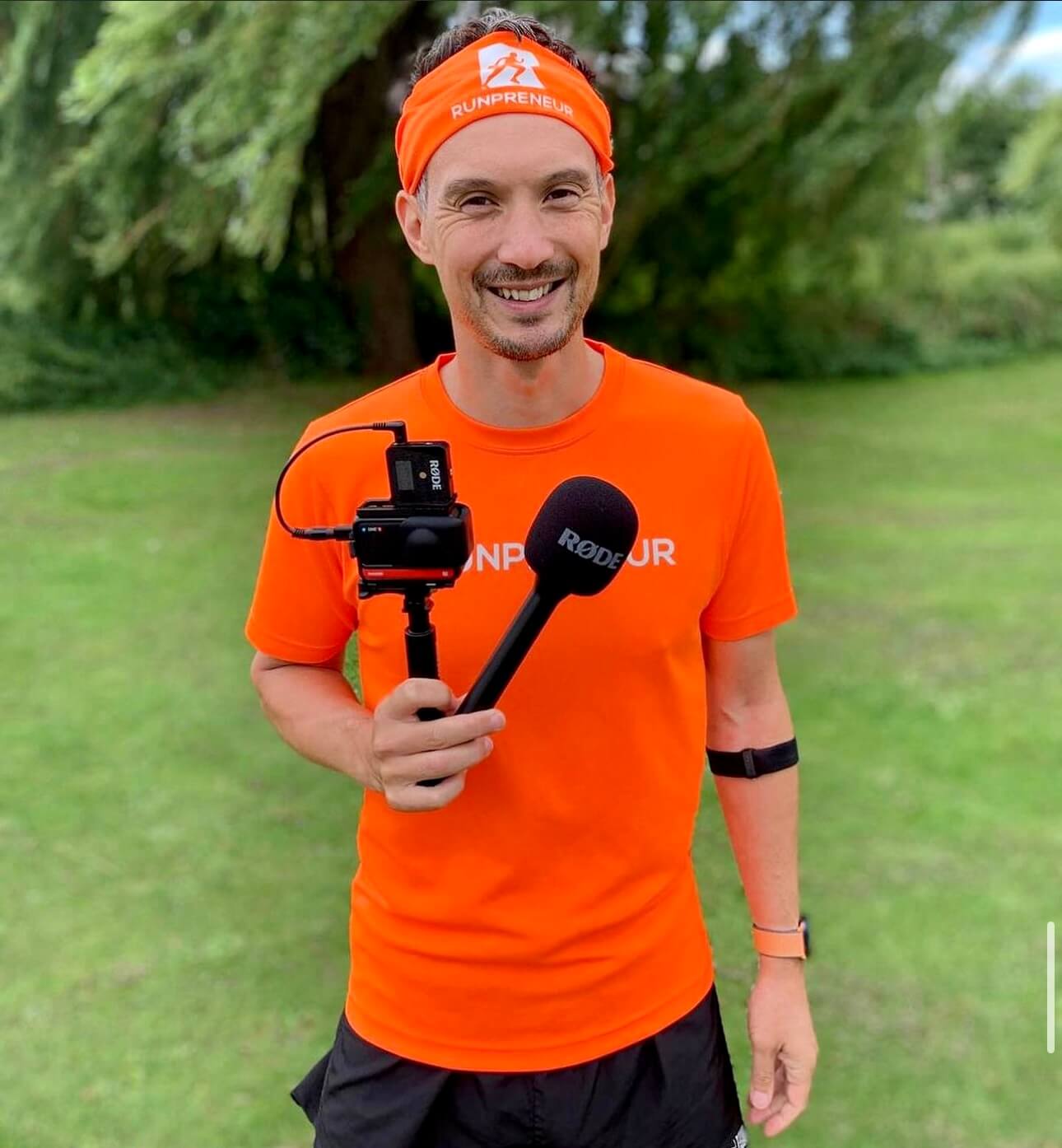
Kevin's 40,075km Challenge: Raising £1 Million for Children
Meet Kevin, a dedicated Runpreneur who embarked on an extraordinary journey to raise £1 million for children in need. Over the course of his 40,075km challenge, Kevin's unwavering determination and passion inspired thousands to join the Runpreneur movement.
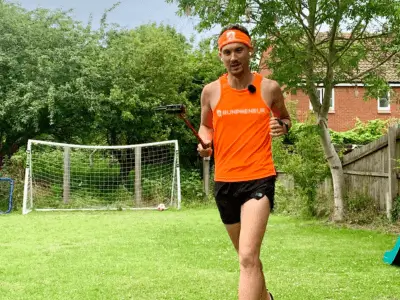
Runpreneur Vlogging: Capturing Kevin's Journey
Experience the Runpreneur challenge through the lens of Kevin's video diary. Witness his ups and downs, the camaraderie of the community, and the transformative power of running for a cause. Dive into the visual stories that capture the essence of the Runpreneur movement.

Empowering Children, One Step at a Time
As Kevin logged every kilometre of his 40,075km challenge, the true purpose behind his journey came into focus. Each step, each bead of sweat, fuelled essential healthcare, education, and nutrition programs for children in need around the world.
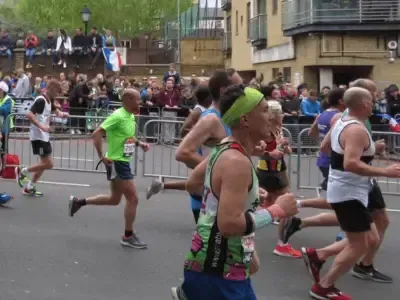
The Transformative 4x4x48 Challenge
Experience the thrill and personal growth of our iconic 48-hour running event. Witness the determination and resilience of Runpreneurs as they push their limits, one mile at a time.
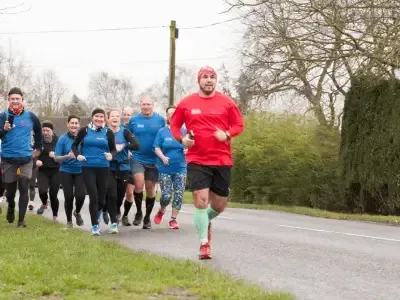
Runpreneur Vlogging: Capturing the Journey
Dive into the visual stories of our Runpreneurs as they document their experiences through engaging video logs. Witness the challenges, triumphs, and moments of camaraderie that define the Runpreneur spirit.
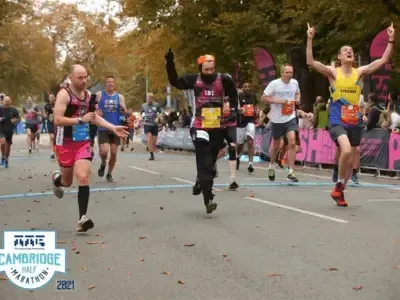
Becoming a Runpreneur: Join the Movement
Learn how you can become a Runpreneur and be part of this global community. Discover the steps to sign up, complete the challenge, and share your journey, all while making a lasting difference.
Connect With Us:



















I am on a mission to raise £1,000,000 for children's causes by daily run-vlogging barefoot-style, covering the total distance of a lap around the world—40,075 km.