
Runpreneur Journey Blog
Embark on an extraordinary journey with the Runpreneur community. Discover inspiring stories, insider tips, and the transformative power of our global challenge. From first-time runners to seasoned athletes, our blog captures the essence of the Runpreneur movement, inspiring others to join the cause.
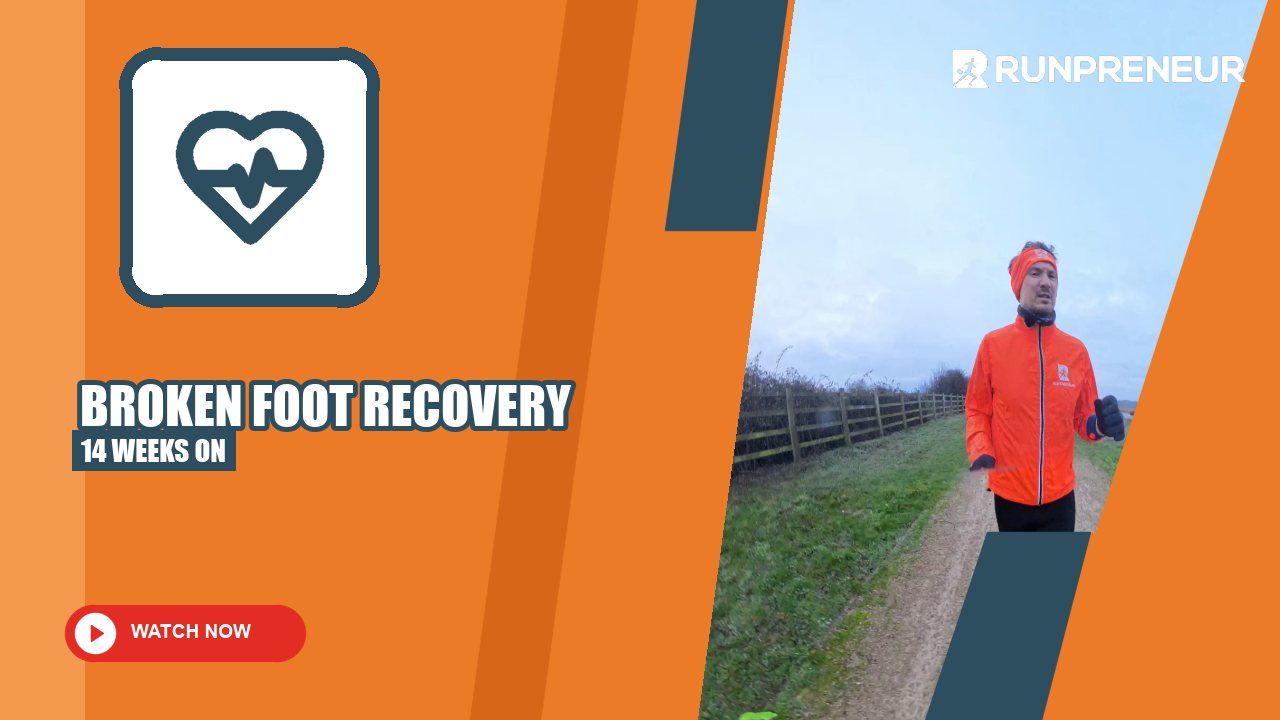
Broken Foot Recovery: What 14 Weeks on a Fractured Metatarsal Taught Me
Broken foot recovery is not something I expected to write about when I started this run streak, but here I am, roughly 14 weeks on from breaking the third metatarsal in my right foot, sharing what the process has taught me. I am on day 2072 of a daily barefoot-style run streak, working toward a lap of the world, 40,075km, to raise £1m for children's causes including Great Ormond Street and BBC Children in Need. Cumulative distance stands at 15,992.51km. Remaining distance to the full lap: 24,082.49km.
Fourteen weeks ago my foot started to hurt during a run. I didn't know at first what was wrong. Looking back, the injury likely began as a stress fracture, and four weeks passed before an x-ray confirmed a full break in the third metatarsal. I kept the streak alive throughout, running five kilometres a day even while the injury worsened undiagnosed.
Once diagnosed, I wore a supportive boot for six weeks, still completing five kilometres daily inside the boot. After the boot came off, I spent three to four weeks rebuilding strength before returning to a full five-kilometre run in one go.
The honest lesson here: recovery took longer because I kept pushing through. Rest is standard advice for a reason. Pushing an injury slows healing at best. I knew this going in. My mission runs on consecutive days, so stopping wasn't an option I was prepared to take. I accepted the trade-off, and worked hard with medical guidance to avoid making the injury worse, rather than avoiding the injury altogether.
First lesson: be more assertive with medical advice. Emergency and minor injury services are stretched, and once they rule out anything life-threatening, the instinct is to send you home. A broken foot doesn't always read as urgent to a system built for triage. Had I pushed harder for an x-ray sooner, I might have got the supportive boot four weeks earlier, and the whole recovery timeline might have shortened significantly. If you have a serious injury and the first check feels rushed, ask for more.
Second lesson: the supportive boot did more for recovery than anything else in this process. Taking weight and pressure off the fracture gave the bone six solid weeks to heal properly. Without the boot, I doubt the foot would have set correctly at all.
Third lesson: post-boot recovery needs a plan, but the plan should flex with what the body tells you. My original plan involved increasing running distance by one kilometre each week, alternating running and walking within a five-kilometre daily distance, expecting roughly seven weeks to build back to full distance. The reality: I halved that timeline. Week one mixed running and walking. Week two moved to three-kilometre runs. Week three, the one I'm in now, has me back to a full five-kilometre run.
I pushed faster than my original plan allowed, and I'm aware this carries a risk of setback. But listening to how the foot actually felt, rather than sticking rigidly to a calendar built on guesswork, has felt like the right approach so far.
For anyone facing a serious injury to whatever sport or training you do, three things stand out from this experience. Get expert advice early, and don't accept a quick brush-off if something feels more serious than the first assessment suggests. Use whatever supportive equipment gets prescribed properly and consistently, because the support does the healing work rest alone won't always achieve when you're still moving. And once the support comes off, build back gradually, but let your body's actual response guide the pace rather than a fixed number on a page.
None of this is dramatic. A broken foot fourteen weeks into a mission built on daily consistency is a genuine test of whether the whole project holds up under strain. Continuing the streak through injury wasn't about proving toughness. This mission exists to raise money for children's causes, principally Great Ormond Street and BBC Children in Need, and every day I don't show up is a day the mission loses momentum.
Even so, resilience without sense isn't wisdom, only risk. The lesson I'll carry forward: consistency matters more than intensity, and a mission built on a 16.5-year running vision has to survive injuries like this one without breaking the runner permanently in the process. Adjust distance, seek proper support, listen to the body. Keep the streak alive, but keep the long game intact too.
I'm back to five kilometres a day now, working toward the seven and a half kilometre distance the streak normally holds. 24,082.49km remain between here and a full lap of the world. Every kilometre still counts toward the £1m target for children's causes.
If this reflection resonates, whether you're facing your own injury recovery or simply following the mission, I'd value you watching the full episode, following the journey, or supporting the fundraiser directly. Every person who watches, follows or gives adds to the total this mission raises for children's causes.
Watch the full episode: https://youtu.be/2oP-6KNqJGE
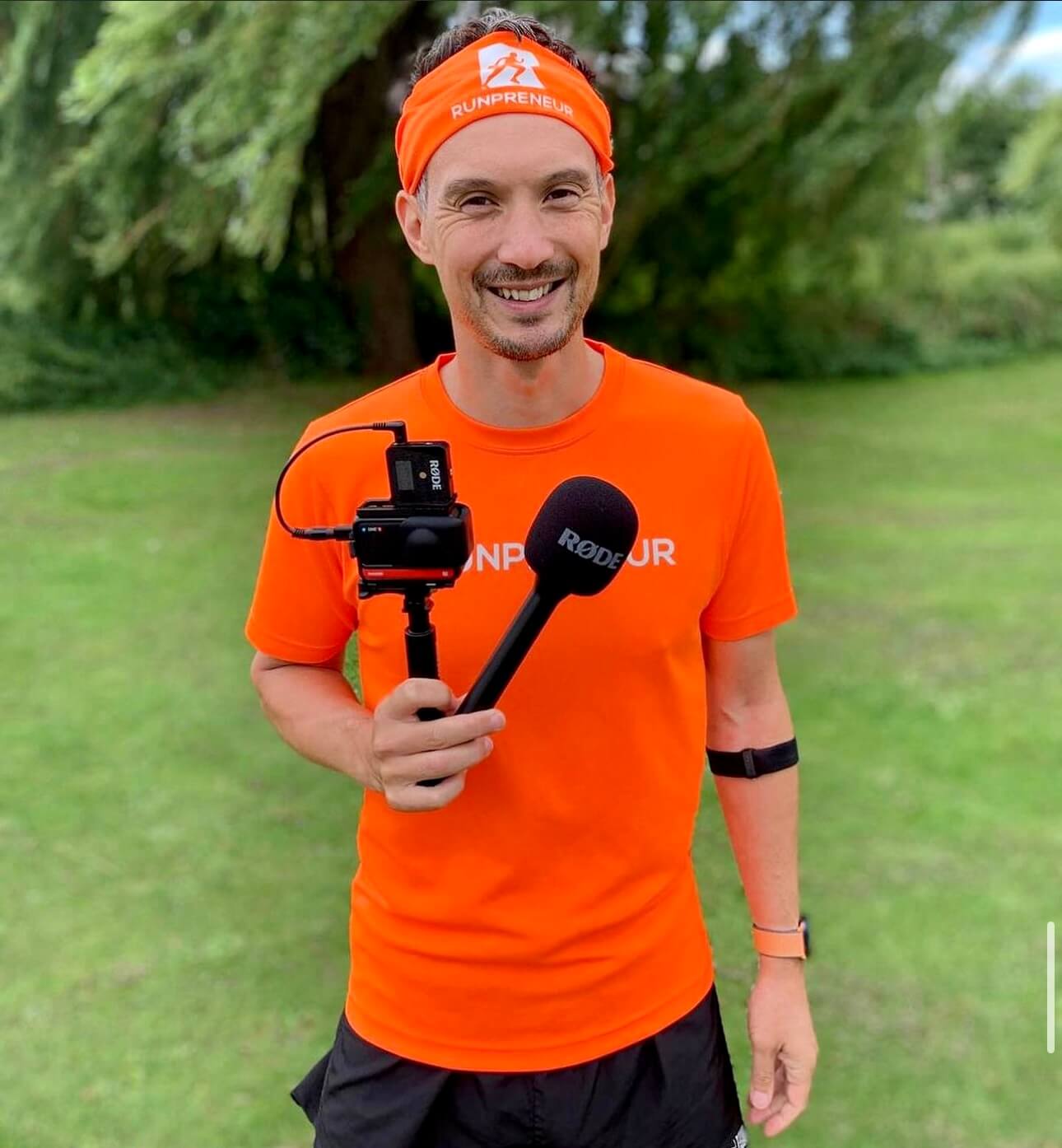
Kevin's 40,075km Challenge: Raising £1 Million for Children
Meet Kevin, a dedicated Runpreneur who embarked on an extraordinary journey to raise £1 million for children in need. Over the course of his 40,075km challenge, Kevin's unwavering determination and passion inspired thousands to join the Runpreneur movement.
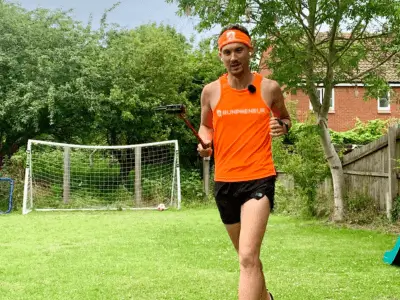
Runpreneur Vlogging: Capturing Kevin's Journey
Experience the Runpreneur challenge through the lens of Kevin's video diary. Witness his ups and downs, the camaraderie of the community, and the transformative power of running for a cause. Dive into the visual stories that capture the essence of the Runpreneur movement.

Empowering Children, One Step at a Time
As Kevin logged every kilometre of his 40,075km challenge, the true purpose behind his journey came into focus. Each step, each bead of sweat, fuelled essential healthcare, education, and nutrition programs for children in need around the world.
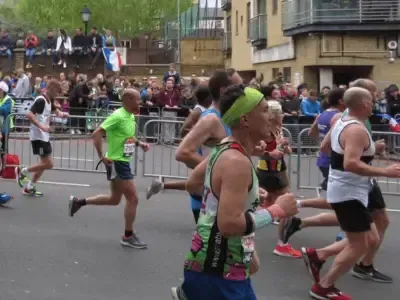
The Transformative 4x4x48 Challenge
Experience the thrill and personal growth of our iconic 48-hour running event. Witness the determination and resilience of Runpreneurs as they push their limits, one mile at a time.
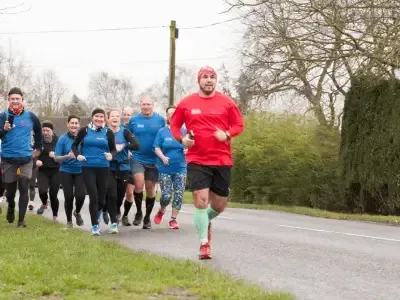
Runpreneur Vlogging: Capturing the Journey
Dive into the visual stories of our Runpreneurs as they document their experiences through engaging video logs. Witness the challenges, triumphs, and moments of camaraderie that define the Runpreneur spirit.
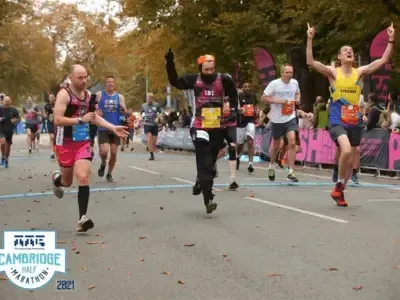
Becoming a Runpreneur: Join the Movement
Learn how you can become a Runpreneur and be part of this global community. Discover the steps to sign up, complete the challenge, and share your journey, all while making a lasting difference.
Connect With Us:



















I am on a mission to raise £1,000,000 for children's causes by daily run-vlogging barefoot-style, covering the total distance of a lap around the world—40,075 km.