
Runpreneur Journey Blog
Embark on an extraordinary journey with the Runpreneur community. Discover inspiring stories, insider tips, and the transformative power of our global challenge. From first-time runners to seasoned athletes, our blog captures the essence of the Runpreneur movement, inspiring others to join the cause.
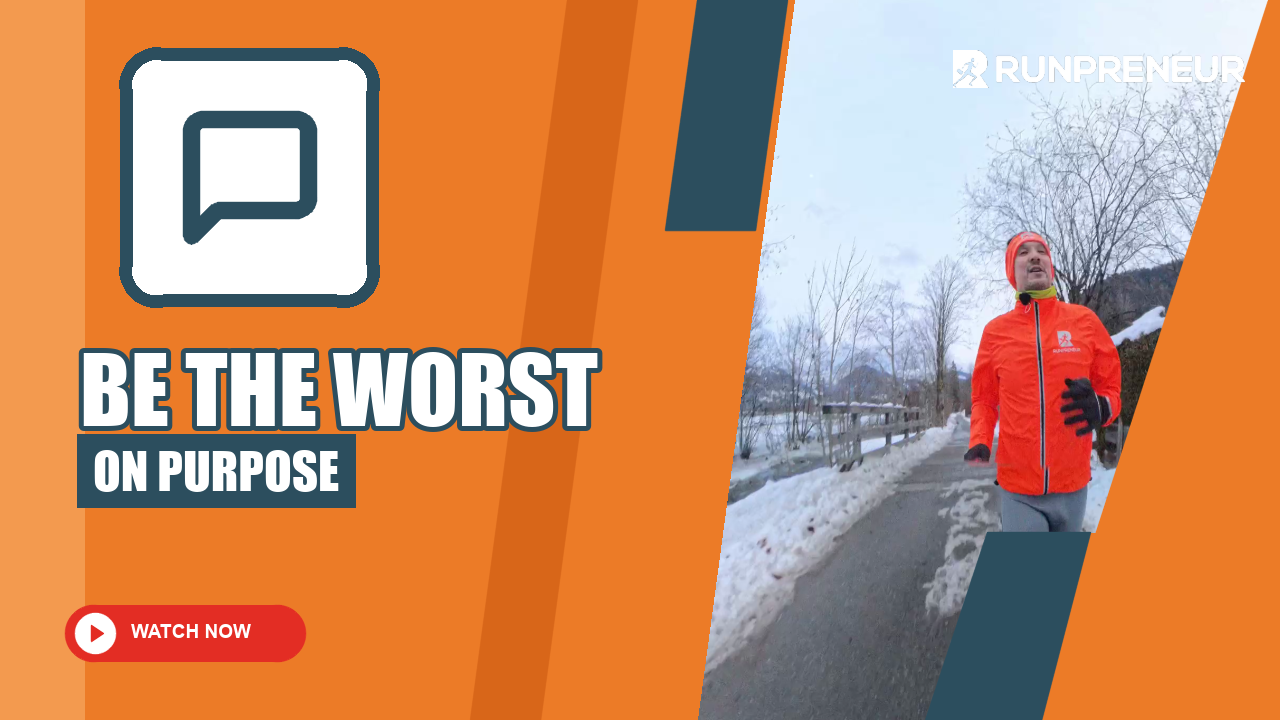
Being The Worst At Everything Taught Me More Than Winning Ever Did
Being the worst in the room is where I learn the most, and on day 2068 of this run streak, I want to explain why I chase that feeling instead of avoiding it.
I am away on a business trip at the moment, sat with people who count as colleagues and friends. Most of them are further along in their careers than I am. Some have built bigger companies. Some have raised bigger sums. Some understand markets and numbers in ways I do not yet grasp. Sitting in those conversations, there are moments where I have little to add, or where I quietly feel behind. Anyone who has sat in a room with people sharper or more experienced than them will know the feeling.
For years I would have read that feeling as a warning sign. Get out. Find your level. Stop wasting people's time. This morning's run gave me a different read on it entirely.
Being the least experienced person in a room is not a problem to fix. It is a position worth seeking out, deliberately, again and again, in every area of life that matters to you.
There is a distinction I want to draw clearly here, because it is easy to twist. I am not saying lower your standards or stop trying to improve. Try your hardest, in every field you care about. What I am saying is different: put yourself around people who are ahead of you as often as you can manage it. Running, business, parenting, fitness, whatever the subject. Find the people doing it better and stand close to them.
When I run with athletes stronger than me, I learn things about pacing and mindset no book has taught me. When I sit in business rooms with founders who have scaled further than Operations Director has, I pick up decisions and habits I would never have found on my own. The uncomfortable feeling of not keeping up is not a signal to leave. It is the signal you are in the right room.
Here is what I have noticed, in running and in business both. People who have got somewhere worth getting to are rarely the gatekeeping type. Most of them remember exactly what it felt like to be the newest, slowest, least informed person in their own rooms once. There is an unwritten understanding among people who have put in the work: you help the next person up, because someone once helped you.
So the questions you think are silly are usually not silly at all. And even where you never ask a single question, sitting quietly and listening to how skilled people think, how they solve problems, how they talk about failure, teaches you more than most courses will.
None of this happens by accident. You have to go looking for the rooms where you are the weakest link. That means discomfort. It means turning up to clubs, events, retreats or communities where you are clearly behind everyone else in the room, and staying anyway. It means being comfortable feeling uncomfortable, on purpose, repeatedly.
I try to build this into my life in a structured way. On the running side, I look for people faster than me, races harder than the ones I am ready for, training partners who push a pace I have to chase. In business, I put myself in front of people who have already solved the problems I am still working through. Some of those rooms have left me quiet for an hour, out of my depth, taking notes rather than talking. Those have often been the most valuable hours of the month.
There is a natural cycle to it too. Spend enough time around people better than you at something, and inevitably you improve. Eventually you may close the gap, even overtake some of them. When that happens, the answer is not to relax. It is to go and find the next room where you are behind again. That search, repeated over years, is one of the most reliable paths to genuine improvement I know of.
I think about this streak the same way. Day 2068 does not make me an expert in anything. It makes me someone who has shown up, barefoot-style, every single day, long enough to have covered 15,972.19 kilometres of the 40,075km lap of the world I set out to run. There are 24,102.81km left. I am not the strongest runner out there, not close, and I never set out to be. What I have is consistency, and a willingness to keep learning from people who know more than me about pacing, recovery, and endurance than I do.
That same principle drives the mission behind this project. Every kilometre logged is tied to raising £1M for children's causes, including Great Ormond Street Hospital and BBC Children in Need. I am not the most experienced fundraiser, and I am not pretending otherwise. But I keep showing up, keep learning from people who understand fundraising better than I do, and keep logging the miles regardless.
If today's episode lands with you, here is the takeaway I would want you to carry. Stop avoiding the rooms where you feel behind. Go and find them. Sit in them. Listen. Ask the question you think is silly. Then take what you learn and put it to work.
If you want to follow the streak, or support the mission to reach 40,075km and raise £1M for children's causes, the link is below. Every share puts the mission in front of one more person who might help a child.
Watch the full episode: https://youtu.be/r-wdmD6CNkw
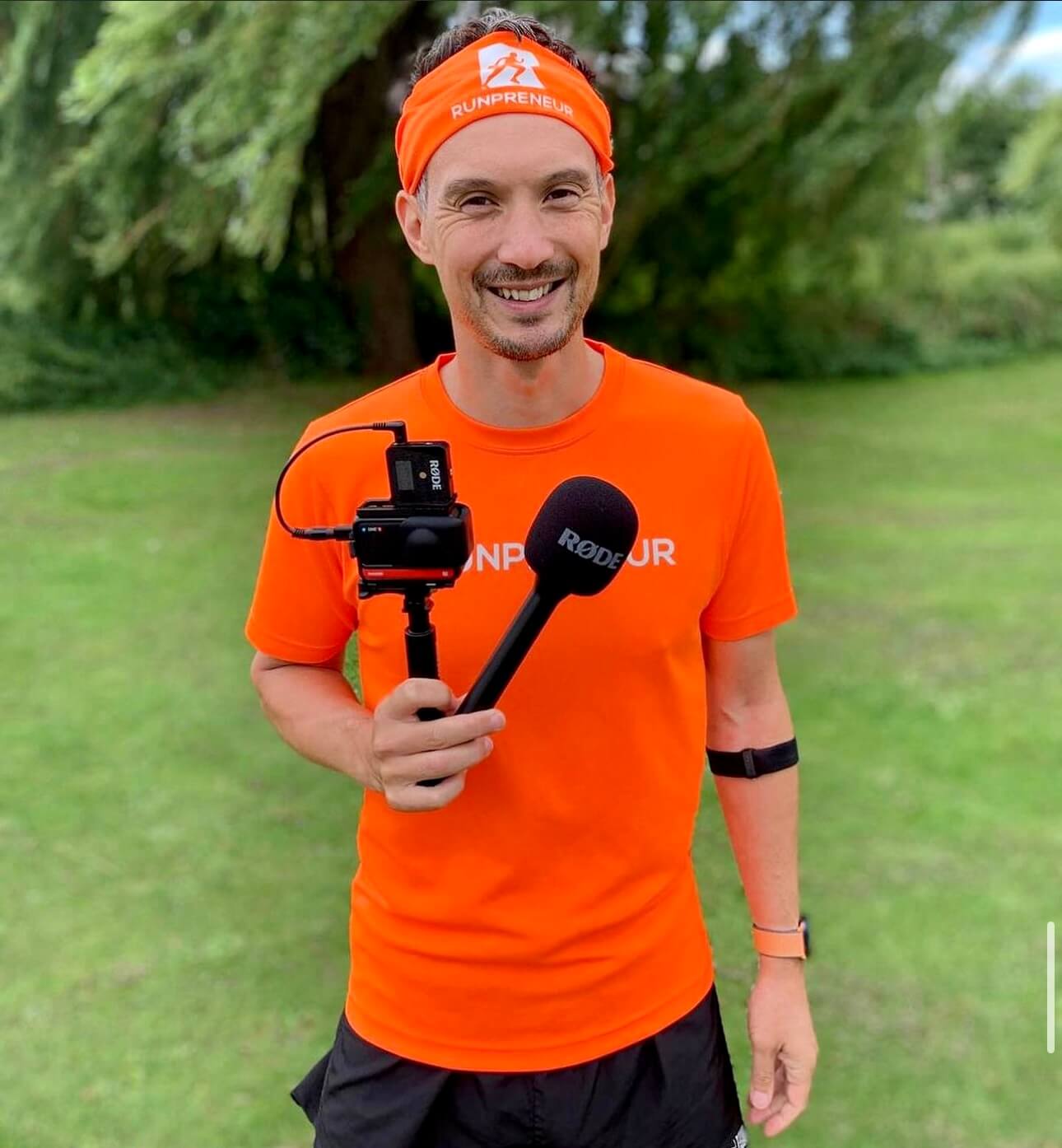
Kevin's 40,075km Challenge: Raising £1 Million for Children
Meet Kevin, a dedicated Runpreneur who embarked on an extraordinary journey to raise £1 million for children in need. Over the course of his 40,075km challenge, Kevin's unwavering determination and passion inspired thousands to join the Runpreneur movement.
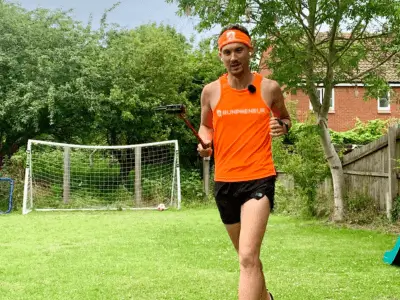
Runpreneur Vlogging: Capturing Kevin's Journey
Experience the Runpreneur challenge through the lens of Kevin's video diary. Witness his ups and downs, the camaraderie of the community, and the transformative power of running for a cause. Dive into the visual stories that capture the essence of the Runpreneur movement.

Empowering Children, One Step at a Time
As Kevin logged every kilometre of his 40,075km challenge, the true purpose behind his journey came into focus. Each step, each bead of sweat, fuelled essential healthcare, education, and nutrition programs for children in need around the world.
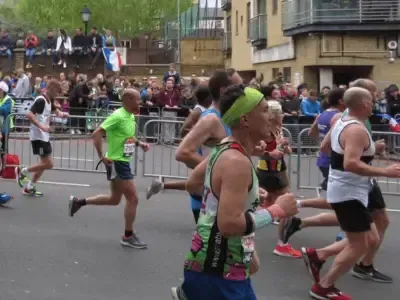
The Transformative 4x4x48 Challenge
Experience the thrill and personal growth of our iconic 48-hour running event. Witness the determination and resilience of Runpreneurs as they push their limits, one mile at a time.
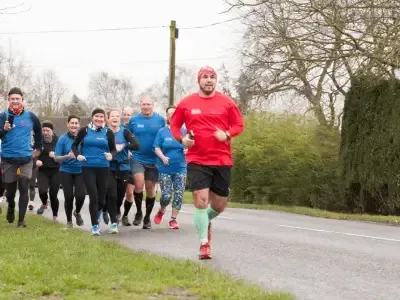
Runpreneur Vlogging: Capturing the Journey
Dive into the visual stories of our Runpreneurs as they document their experiences through engaging video logs. Witness the challenges, triumphs, and moments of camaraderie that define the Runpreneur spirit.
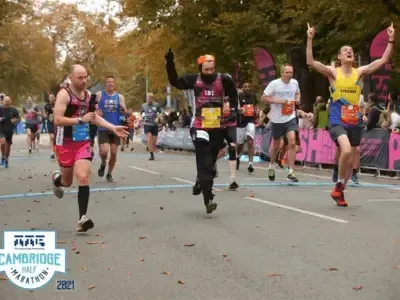
Becoming a Runpreneur: Join the Movement
Learn how you can become a Runpreneur and be part of this global community. Discover the steps to sign up, complete the challenge, and share your journey, all while making a lasting difference.
Connect With Us:



















I am on a mission to raise £1,000,000 for children's causes by daily run-vlogging barefoot-style, covering the total distance of a lap around the world—40,075 km.