
Runpreneur Journey Blog
Embark on an extraordinary journey with the Runpreneur community. Discover inspiring stories, insider tips, and the transformative power of our global challenge. From first-time runners to seasoned athletes, our blog captures the essence of the Runpreneur movement, inspiring others to join the cause.
AI for Anxiety: How I Use a Boardroom Mentor When Stress Hits
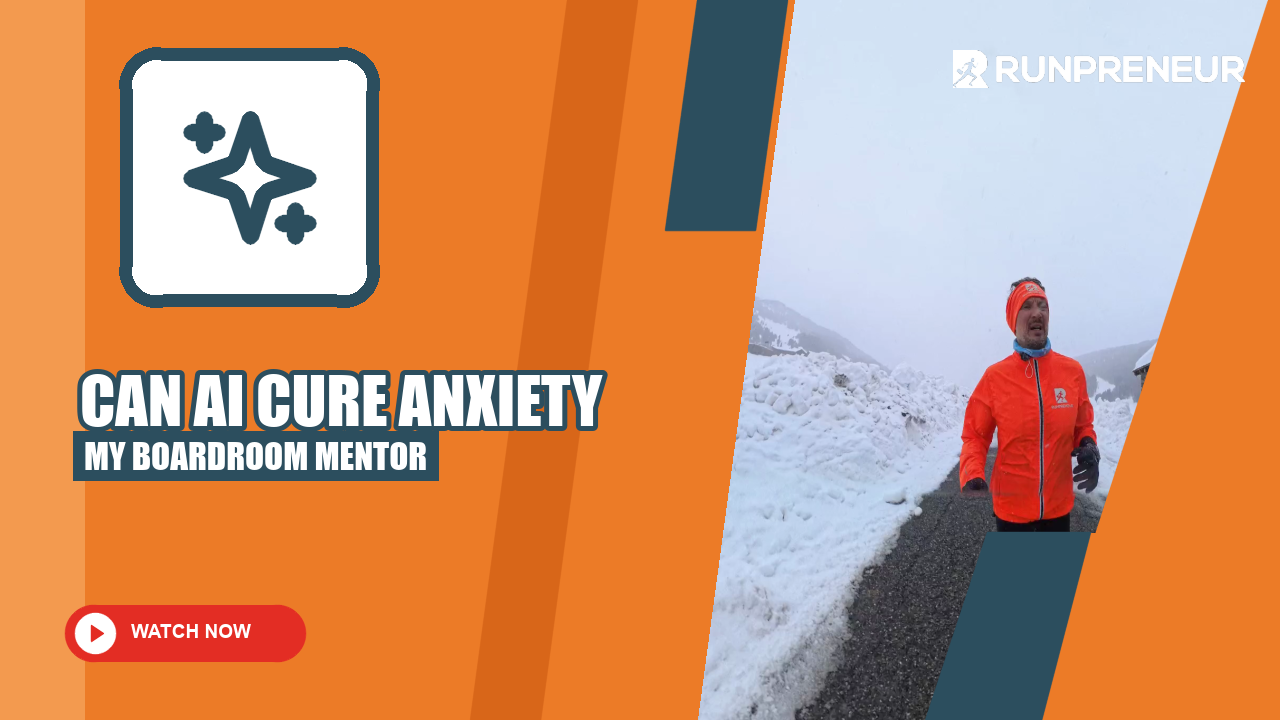
On day 2090 of my daily run, I was in Andorra on my last day before heading back to the UK. A blizzard was blowing, the temperature was minus 9, and I struggled to see the road. I ran anyway. Streak days are not negotiable, and the weather gave me time to think about a question I get asked: does AI help with anxiety?
My honest answer is this: it depends on how severely you struggle.
For most people, who face normal levels of anxiety, stress and overwhelm, I believe large language models help a great deal. I say this from experience. I am an entrepreneur, and I live with the highs and lows of business most days. Some days something goes wrong badly enough to make me panic. I worry. I feel overwhelmed. I feel like a rabbit in the headlights.
On those days, I open a project I built in ChatGPT called Boardroom Mentor. I loaded it with the business leaders I admire most, drawing on what they have written and taught. Then I type out exactly how I feel and what I am facing. Nothing is tidied up first.
Three things come back, and each one matters to me.
First, I feel listened to. I know the tool is AI. I know the tool is not a person. Even so, a reply to what I wrote, drawn from the thinking of people who have been through similar problems, settles my head.
Second, I receive options. Panic narrows my view to one bad outcome. A list of choices widens the view again.
Third, I receive contingency plans and a process. Anxiety usually grows from not knowing the next step. Once I have a step, the weight drops.
I am grateful to have this tool in my toolkit.
Now for the limit, which I want to state clearly. Some people struggle to an extreme where medication is needed. I am not talking about them. People with severe mental health conditions still need medical support, and no AI replaces a doctor or a therapist. My view applies to the day-to-day battles most of us face in life, work and business.
If you want to try this yourself, here is how I would start.
1. Create a project, a GPT or a custom setup in your chosen model, whichever name your tool uses. 2. Choose the people you want advising you. I chose business leaders and authors. You are free to pick sporting heroes or anyone you aspire to become. Choose people further along the road than you are. 3. Ask the model to write the instruction prompt for you. Tell the model who you have chosen and what you want from them. You do not need to be technical.
After that, use the project when a hard day arrives. Write honestly, and ask for options and a plan.
I see a link between this and the streak. I have run every day for 2090 days. I did not get here through intensity. I got here by taking the next step, again and again, whatever the weather. Anxiety responds to the same method. When everything feels too large, I shrink the problem to the next action. The mentor project helps me find that action faster. The run lets me carry the action out.
This daily habit sits inside a larger mission. I am running a lap of the world, 40,075km, in barefoot-style footwear. Today's total stands at 16,102.80km, which leaves 23,972.20km to go. The aim is to raise £1M for children's causes, including Great Ormond Street and BBC Children in Need. I record every day because each episode puts the mission in front of more people. More people watching means more support for children.
Looking after my mind is part of keeping the streak going. A mind that panics for a week does not run for 16.5 years. So I treat tools like Boardroom Mentor as maintenance, in the same way I treat sleep, recovery and good footwear.
If you struggle with stress or overwhelm, try the setup above and see how you feel. If your struggle is severe, speak to a medical professional first. If this helps, share it with someone who is having a hard week.
Follow the daily run, and if you want to support the children's causes, the details are on the channel.
Watch the full episode: https://youtu.be/sAcPsHFfhZw
Kevin's 40,075km Challenge: Raising £1 Million for Children
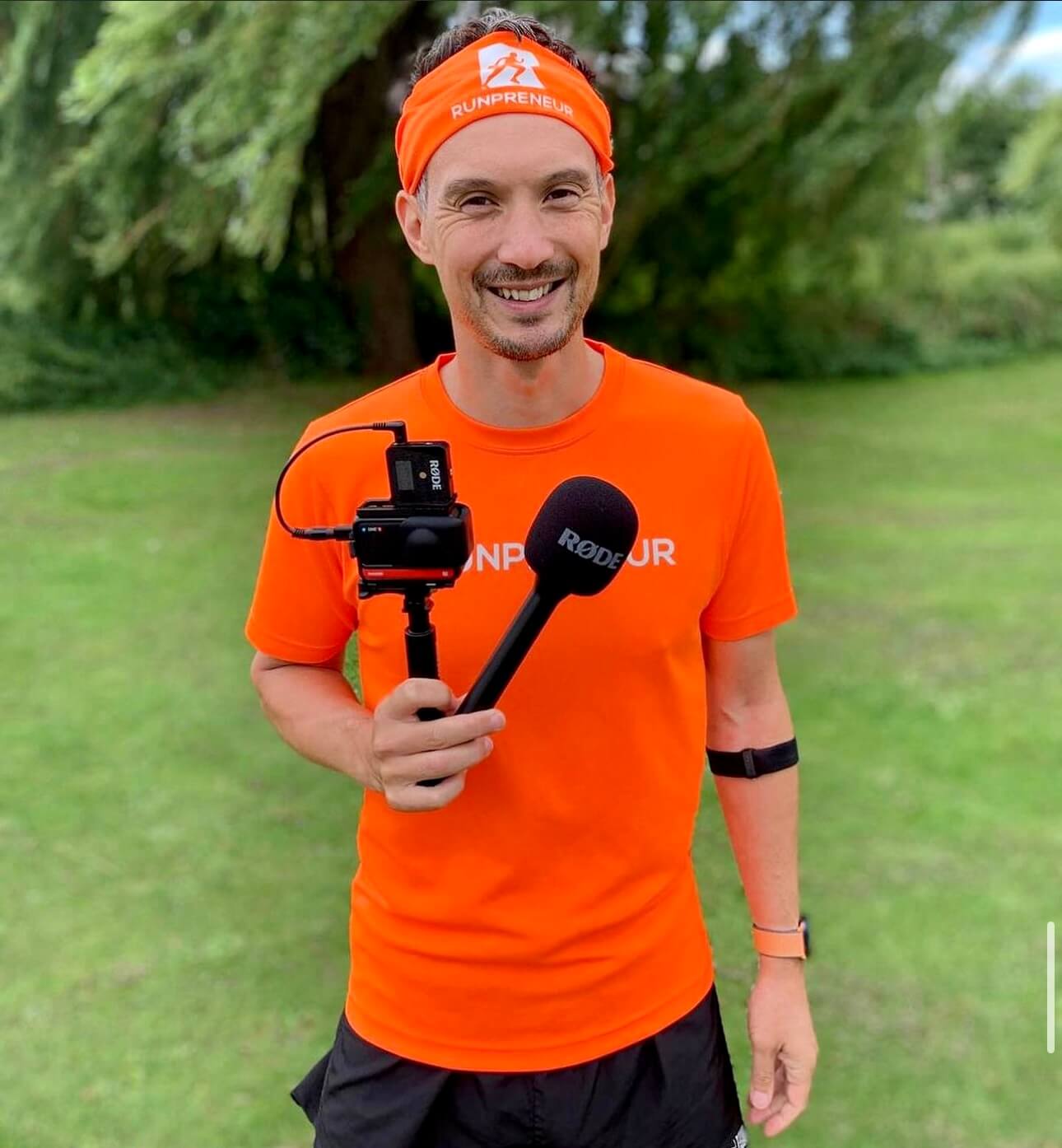
Meet Kevin, a dedicated Runpreneur who embarked on an extraordinary journey to raise £1 million for children in need. Over the course of his 40,075km challenge, Kevin's unwavering determination and passion inspired thousands to join the Runpreneur movement.
Runpreneur Vlogging: Capturing Kevin's Journey
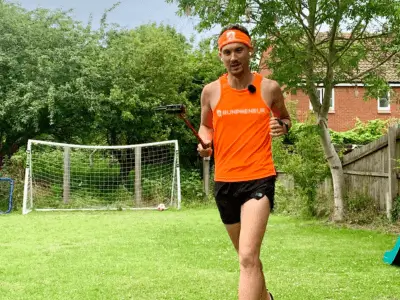
Experience the Runpreneur challenge through the lens of Kevin's video diary. Witness his ups and downs, the camaraderie of the community, and the transformative power of running for a cause. Dive into the visual stories that capture the essence of the Runpreneur movement.

Empowering Children, One Step at a Time
As Kevin logged every kilometre of his 40,075km challenge, the true purpose behind his journey came into focus. Each step, each bead of sweat, fuelled essential healthcare, education, and nutrition programs for children in need around the world.
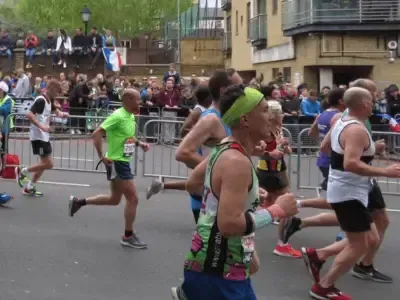
The Transformative 4x4x48 Challenge
Experience the thrill and personal growth of our iconic 48-hour running event. Witness the determination and resilience of Runpreneurs as they push their limits, one mile at a time.
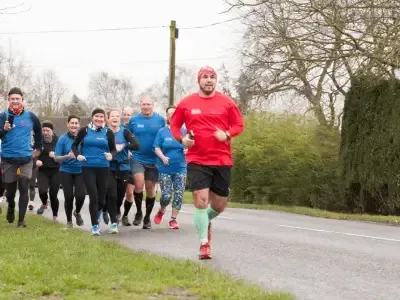
Runpreneur Vlogging: Capturing the Journey
Dive into the visual stories of our Runpreneurs as they document their experiences through engaging video logs. Witness the challenges, triumphs, and moments of camaraderie that define the Runpreneur spirit.
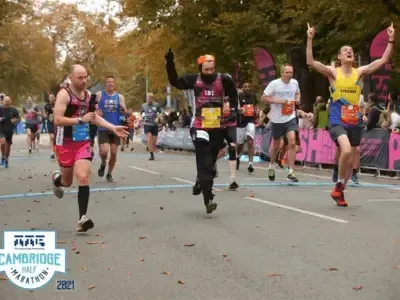
Becoming a Runpreneur: Join the Movement
Learn how you can become a Runpreneur and be part of this global community. Discover the steps to sign up, complete the challenge, and share your journey, all while making a lasting difference.
Connect With Us:



















I am on a mission to raise £1,000,000 for children's causes by daily run-vlogging barefoot-style, covering the total distance of a lap around the world—40,075 km.